The driveway detail that makes a house look neglected from the street
Photo credit: NatalieSchorr/Shutterstock.com
From the street, your driveway quietly announces how you treat the rest of your home. Even if your siding is spotless and your landscaping is carefully trimmed, a grimy, cracked, or weed-choked drive can make the entire property read as neglected in a single glance. The detail that most often betrays a house is not age, but a driveway that looks like nobody has cared about it for years.
When you understand how strongly that strip of concrete or asphalt shapes first impressions, you start to see it as an asset instead of a background surface. With a few targeted fixes, you can turn what looks like a liability into one of the cleanest, most inviting lines in your curb appeal story.
The real “neglected” giveaway: surface grime and discoloration
The fastest way a driveway makes your house look uncared for is not a dramatic pothole, it is the slow film of dirt, algae, and stains that dulls the surface over time. You stop noticing the gradual shift from light gray to blotchy brown, but visitors and potential buyers see it instantly and read it as a sign that other maintenance might be overdue as well. As one professional cleaner put it, Most driveways do not actually look old, they look neglected because Dirt, algae, and buildup slowly change the color.
That surface grime does more than hurt appearances. When oil, mildew, and organic growth sit on concrete or asphalt, they can trap moisture and accelerate minor deterioration, especially in climates with freeze and thaw cycles. Regular washing cuts through that layer, restores the original tone, and signals from the street that you pay attention to details. A proper clean can make the drive look almost new again, which is why professional services emphasize how a single wash can dramatically shift the impression your property makes before anyone even steps out of the car.
Why buyers fixate on cracked and stained driveways
When you are preparing to sell, the condition of your driveway can quietly move your home up or down a buyer’s mental shortlist. Real estate pros warn that Cracked or Stained Driveways immediately lower the perceived value of a home, because Buyers often assume visible damage on the surface hints at deeper structural or drainage problems. That snap judgment can cost you showings or push offers lower before anyone has even toured the interior.
Those same experts group damaged driveways among the most Visible Home Exterior a Sale, right alongside peeling paint and sagging gutters. The logic is simple: if you have not addressed something as prominent as the place where every car parks, a buyer wonders what they cannot see behind walls or under floors. By contrast, a clean, intact drive reassures them that routine upkeep is part of how you live in the house, which can quietly support stronger offers and smoother negotiations.
How a bad driveway drags down your property value
Even if you are not listing your home this year, the state of your driveway is already influencing its market value. Appraisers and agents look at the whole approach to the house, and a deteriorated surface can be a red flag that future owners will face immediate repair bills. One detailed breakdown notes that a driveway impacts how your property is perceived from the first moment and that a bad one can actively hinder value, while a well maintained surface boosts interest and perceived worth, which is why you are urged to Take a closer look at its condition.
That value hit is not only psychological. Cracks, spalling, and standing water can shorten the lifespan of the material, turning what should be a decades long asset into a looming replacement project. When buyers or appraisers factor in the cost of tearing out and rebuilding a drive, they often discount their estimate of the home accordingly. Treating the driveway as part of your long term investment, rather than a disposable surface, helps protect both your daily experience and your eventual sale price.
Common driveway problems that scream “no one maintains this place”
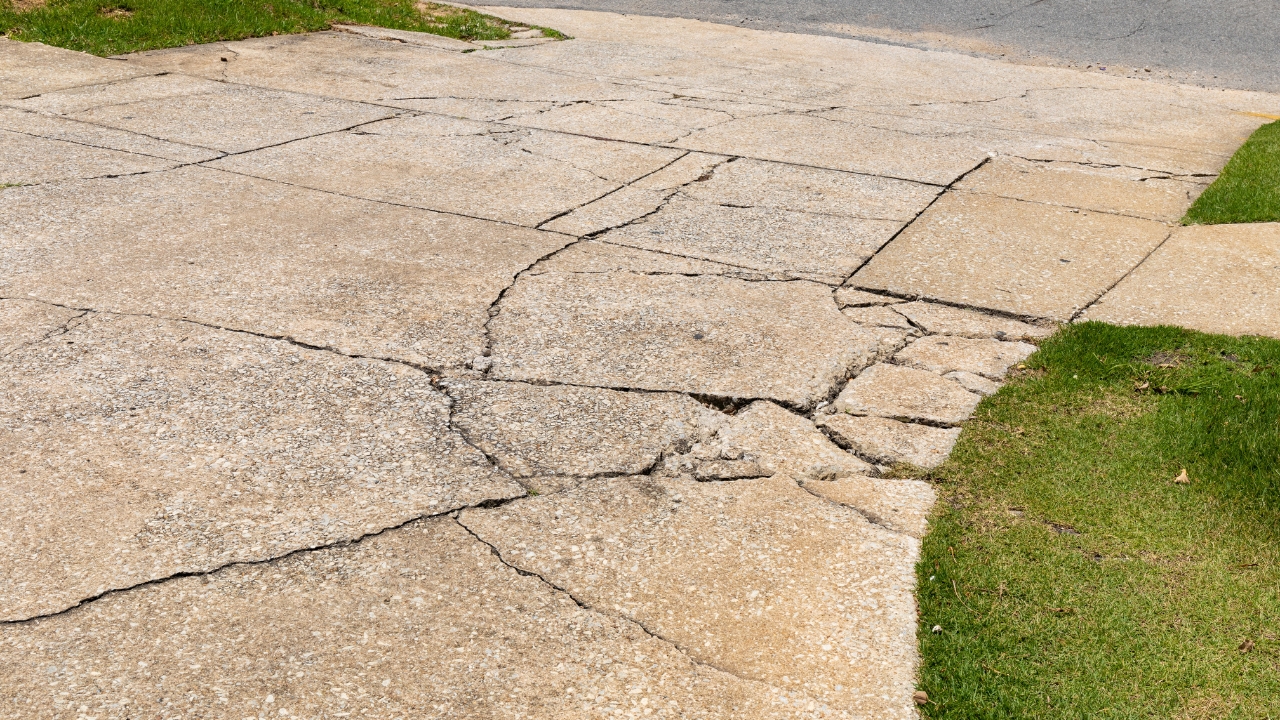
From the street, certain flaws read as neglect far more loudly than others. Long, unsealed cracks, crumbling edges, and mismatched patchwork repairs suggest you have been putting off a proper fix for years. Pavement specialists point out that Cracks and Small are One of the earliest warning signs that your driveway could use protection, and that ignoring them allows water to penetrate and widen the damage.
Over time, those small issues can evolve into potholes, heaving slabs, and visible erosion that make the entire front of the property feel tired. Guidance on how to spot trouble emphasizes that your driveway plays a crucial role in both function and aesthetics, and that Noticeable Cracks are one of the clearest signs it is time for repair. When those signals are visible from the curb, they overshadow even the best landscaping or fresh paint on the front door.
When “no curb appeal” starts at the driveway edge
You might assume curb appeal is mostly about flowers and paint colors, but specialists in paving and surfacing argue that the driveway is often where the problem starts. They describe Ways You Can, and put No Curb Appeal at the top of the list, noting that One of the first signs is when the drive itself looks tired, uneven, or stained compared with neighboring properties. That contrast can make your home feel like the one on the street that has fallen behind.
Erosion and unevenness along the edges are particularly damaging to the overall impression. When gravel spills into the street, grass encroaches over broken borders, or the transition from driveway to sidewalk is jagged, the whole frontage feels less intentional. Addressing those edges, leveling low spots, and restoring a clean line where the drive meets the road can instantly lift the way passersby read your home, even before you touch the planting beds.
Cleaning versus repairing: knowing what your driveway really needs
Not every neglected looking driveway needs a full rebuild. In many cases, what reads as age is actually a combination of surface grime, oil stains, and organic growth that can be removed with the right cleaning approach. Pressure washing specialists explain that Ways Driveway Cleaning include stripping away oil, rust, and tire marks that have built up over time, revealing a brighter surface that instantly enhances curb appeal.
However, if cleaning exposes deep cracks, potholes, or structural issues, you need to move into repair mode. Professional guidance on Common Driveway Problems stresses that washing is both cosmetic and diagnostic, helping you see where sealing, patching, or resurfacing is required to protect and enhance the property. The key is to treat cleaning as the first step in a maintenance plan, not a one time cosmetic fix, so you can decide whether to seal, repair, or eventually replace based on what the fresh surface reveals.
Edging, lighting, and landscaping: the finishing touches that change everything
Once the surface is sound and clean, the details around your driveway determine whether it feels polished or forgotten. Thoughtful edging creates a crisp border that visually separates the drive from lawn or beds, which is why curb appeal specialists highlight Edging around the Driveway as a simple way to make the approach look neat and intentional when selling a home. A clean line of brick, stone, or even well trimmed turf tells anyone driving by that you maintain the property with care.
Lighting is the other quiet upgrade that changes how your driveway reads after dark. Exterior experts note that Well placed porch sconces, landscape fixtures, and bright LED path lights make your drive safer and more aesthetic, helping You and your neighbors navigate while also highlighting the clean lines of the surface. When the driveway is illuminated thoughtfully, it feels like part of a designed entry sequence instead of a dark, forgotten strip of pavement.
Routine maintenance that keeps your driveway from slipping back
The difference between a driveway that looks cared for and one that drags down your home is rarely a single weekend project. It is the quiet routine of sweeping, washing, sealing, and spot repairing before problems grow. Paving and maintenance pros urge homeowners to think of the drive as part of their regular exterior checklist, not an afterthought, and to remember that Boost Your Curb advice often starts with Why Driveway Maintenance Matters, especially When you imagine a property with a cracked, stained surface that buyers hesitate to pull into without making immediate repairs.
That routine can be simple: an annual or semiannual wash, periodic sealing for asphalt, prompt filling of new cracks, and seasonal checks for drainage issues after heavy rain. By catching early signs of wear, you avoid the visual slide into neglect that neighbors and buyers notice long before you do. Over time, that consistency keeps the driveway aligned with the rest of your exterior, so the view from the street tells a single, clear story of a home that is looked after, not left to age on its own.
How to read your own driveway like a buyer
To break the spell of familiarity, you need to see your driveway the way a stranger does. Stand across the street and look at the entire approach as if you were arriving for the first time. Are there stains that catch your eye before the front door, or cracks that lead your gaze away from the landscaping you worked hard to install. Guidance on identifying trouble spots suggests that Learning to spot Cracks and other signals early helps ensure your driveway continues to add value to your home instead of quietly undermining it.
It can help to take photos from the street and compare them with images of driveways you admire in your neighborhood or in listings. Look for differences in color, edge definition, and how clean the surface appears around parked cars. If your drive looks darker, patchier, or more chaotic than the ones that stand out positively, you have a clear checklist of what to address. By treating that view as your benchmark, you can turn what was once the detail that made your house look neglected into one of the strongest visual arguments for how well you care for your property.
Like Fix It Homestead’s content? Be sure to follow us.
Here’s more from us:
- I made Joanna Gaines’s Friendsgiving casserole and here is what I would keep
- Pump Shotguns That Jam the Moment You Actually Need Them
- The First 5 Things Guests Notice About Your Living Room at Christmas
- What Caliber Works Best for Groundhogs, Armadillos, and Other Digging Pests?
- Rifles worth keeping by the back door on any rural property
*This article was developed with AI-powered tools and has been carefully reviewed by our editors.