These driveway mistakes make your property look unfinished fast
Photo credit: Allison H. Smith/Shutterstock.com
A driveway is one of those things you stop noticing when it’s working, but everybody notices when it looks off. It doesn’t have to be fancy, and it doesn’t have to be huge, but it does need to look intentional. The problem is a lot of driveway “issues” aren’t cracks or potholes. They’re small layout and finishing choices that make the whole front of the house feel like it never got fully completed, even if the house itself is cute and well-kept. When the driveway edges are messy, the transition to the yard is awkward, or the surface looks patchy, it can drag down the entire first impression fast, especially once spring growth starts showing every uneven line.
A big part of this is that driveways live right in the “focus zone” of a property. It’s where mail carriers pull up, where guests park, where you walk every day, and where your trash bins roll across twice a week. If it looks sloppy, the rest of the yard has to work harder to make the place feel tidy. The good news is most of these mistakes are fixable without pouring a brand-new driveway, and a few of them can be corrected in a weekend with the right materials and a little patience. The goal isn’t perfection. The goal is that the driveway looks like it belongs there, matches the scale of the property, and doesn’t look like it’s slowly being eaten by weeds and gravel.
Letting the edges fall apart makes everything look sloppy
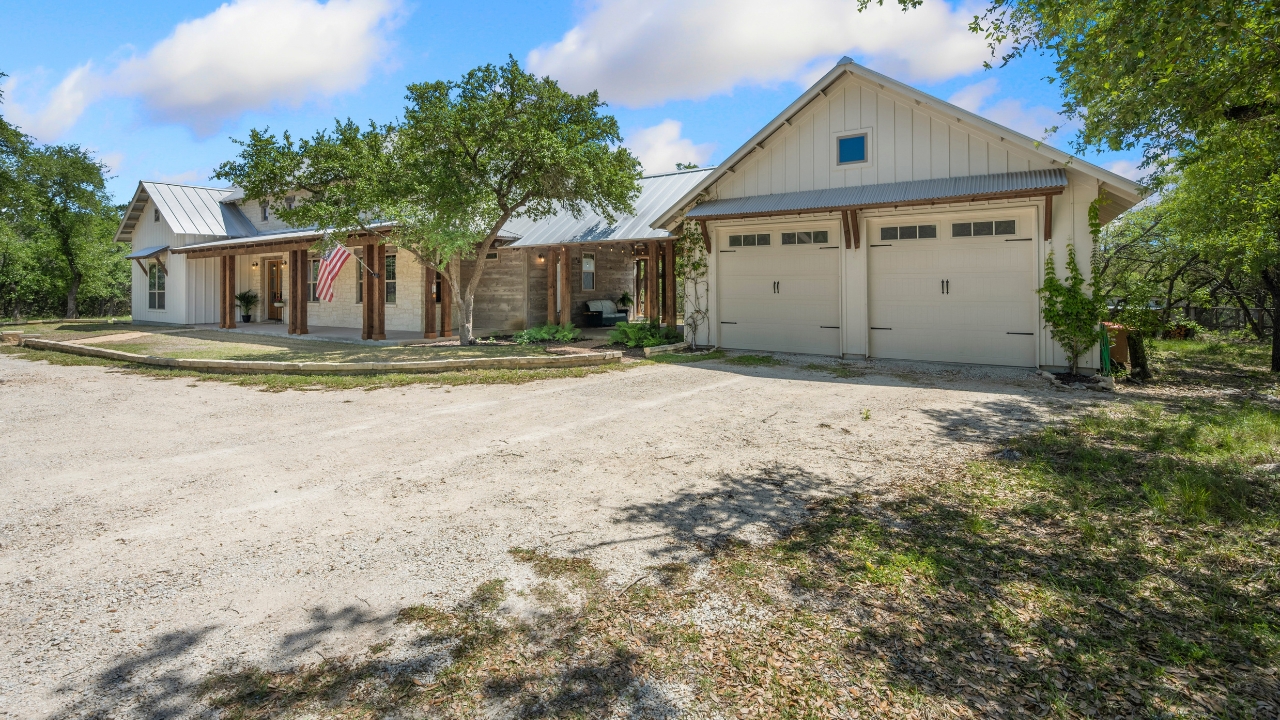
Driveway edges are where “unfinished” shows up first. When the edge is crumbling, spreading, or uneven, it makes the driveway look like it’s dissolving into the yard. With gravel driveways, this usually happens when there’s no defined border, so the gravel migrates into the grass and the grass creeps back into the drive. With asphalt, it shows up as broken edges and loose chunks where tires constantly roll off the side. Concrete can do it too, especially if soil washes out or the shoulder wasn’t built up properly. The fix is not always expensive, but it does take being willing to define the line and keep it that way, because a soft edge always looks temporary.
A clean edge can be as simple as installing pavers, metal edging, pressure-treated timbers, or even a solid strip of compacted stone that acts like a shoulder. The point is to give the driveway a boundary so it reads as a finished surface instead of a rough area you happen to drive on. If you’ve got washouts, you may need to build the shoulder back up with compacted base material so the edge doesn’t keep breaking down. And if you’re fighting weeds along the edge, it helps to pull them, treat the area, and then address the reason they’re thriving there, which is usually loose, disturbed material and a constantly damp line that collects debris.
Ignoring the transition to the street makes it look temporary
The apron area, where your driveway meets the road, is a spot people overlook until it looks bad. If the transition is steep, broken, or crumbling, it makes the driveway feel like an add-on rather than part of the property. You’ll see this with gravel driveways that taper into the street with no structure, or asphalt drives where the end is thin and starts breaking apart under the weight of turning tires. It can also look unfinished when the driveway meets the street at a weird angle, or when the end of the driveway is uneven and collects water, mud, and debris. Even if the rest of the driveway is fine, that last ten feet can make the whole thing look rough.
The fix depends on what you’ve got, but the principle is the same: create a clean, durable transition that doesn’t break down every season. Gravel drives often need a properly compacted base at the entry, and sometimes a grid system or larger aggregate near the street so it doesn’t scatter into the road. Asphalt often needs the edge built up and sealed correctly so it isn’t thin and brittle right where it takes the most abuse. If water is pooling at the street end, that’s a bigger issue because it will keep undermining whatever you do, so you may need to address drainage with a slight regrade, a culvert, or a defined swale, depending on what your property and local rules allow.
Skipping drainage planning leads to stains, ruts, and weeds
Water makes driveways look unfinished in a sneaky way. It causes ruts in gravel, accelerates cracking in asphalt, and leaves stains and algae on concrete. It also encourages weeds and moss in the areas that stay damp. A driveway that holds water at the edges, funnels water toward the garage, or constantly washes gravel into the yard will never look crisp because the surface is always changing. People will rake gravel back into place, patch spots, and spray weeds, but if the driveway is fighting water every time it rains, it’ll keep looking patchy and neglected no matter how much you babysit it.
You don’t have to become an engineer, but you do need a plan for where water goes. That can mean regrading a shoulder so water runs away instead of sitting along the edge, adding a simple channel drain near a garage entry, or building up low spots with the right base material instead of dumping loose gravel on top. For gravel, compaction matters a lot because loose stone is basically an invitation for water to carve little paths and ruts. For asphalt and concrete, keeping joints sealed and maintaining a clean surface helps prevent water from getting into cracks and expanding them over time. If you fix drainage first, the rest of the “unfinished” look gets easier to solve because you’re not constantly undoing your own work.
Letting mismatched patches pile up makes it look like a quick fix forever
Most people don’t mind a driveway that’s a little older. They mind one that looks like it’s been patched five different ways with five different materials. Gravel drives get hit with random bags of pea gravel that don’t match, asphalt drives get cold patches that stay darker and rougher, and concrete gets patched in a way that never blends. Over time those mismatched areas create a “work in progress” look that reads unfinished even if the driveway is technically solid. If your driveway has become a scrapbook of quick fixes, the problem isn’t that you repaired it. The problem is that every repair stayed visible and added to the visual clutter.
If you’re going to patch, it helps to do it in a way that looks consistent. For gravel, that means sticking with the same size stone and adding enough material to blend the repair into the surrounding surface, then compacting it so it doesn’t sit higher or lower than the rest. For asphalt, it can mean sealing the whole driveway after a patch so the surface reads as one consistent color and texture instead of a quilt. For concrete, sometimes the best option is accepting the patch will show and choosing a clean, neat repair line, then cleaning the driveway so the overall look is bright and even. A driveway doesn’t have to be perfect, but it does need to look like one finished surface, not a series of different eras.
Like Fix It Homestead’s content? Be sure to follow us.