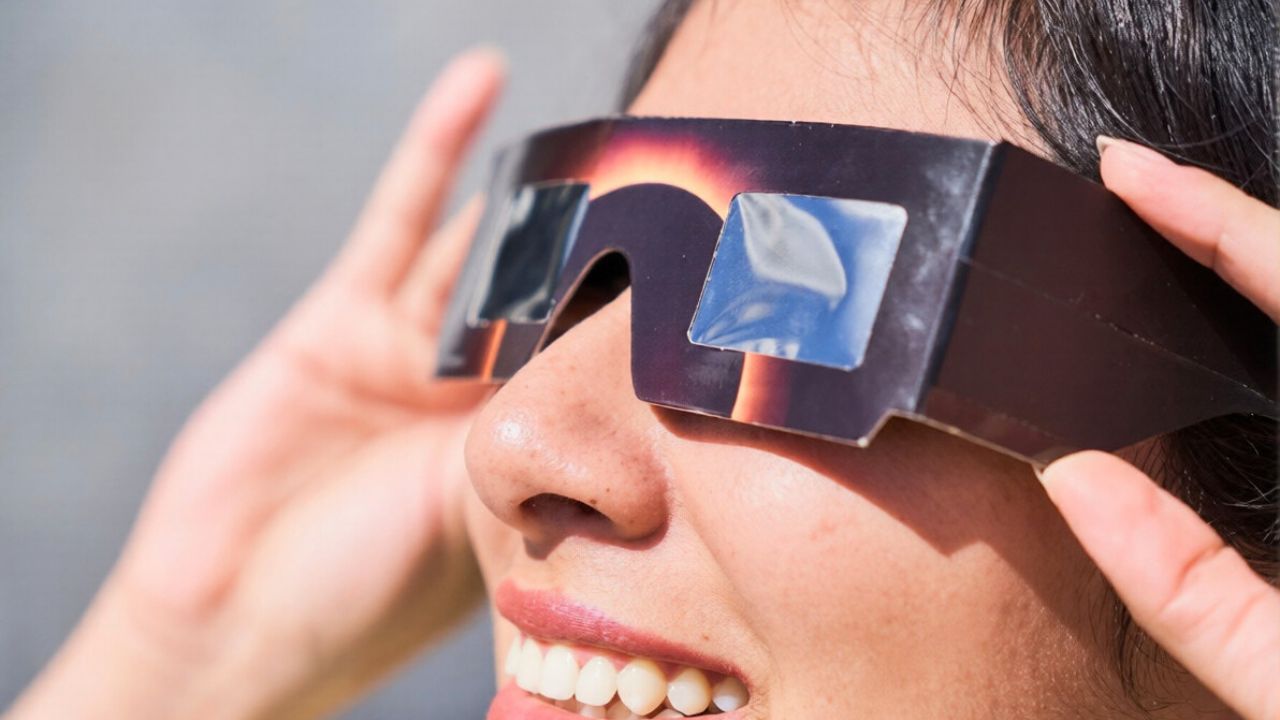
NASA-style safety warning returns: eclipse glasses rules matter even for partial views
Photo credit: Fabian Montano Hernandez/Shutterstock.com
NEW YORK — With an annular solar eclipse set for Feb. 17, NASA and astronomy groups are again emphasizing a basic rule that trips people up: if you’re seeing anything other than a total eclipse’s brief “totality,” you need proper eye protection the entire time.
NASA’s eclipse safety guidance says it is never safe to look directly at the Sun during partial or annular eclipses without proper solar filters, because the Sun’s bright face is still visible even when it’s mostly covered.
That warning matters for Feb. 17 because most viewers who see anything at all are expected to see a partial eclipse, not the full “ring of fire” annular phase, which is largely confined to a narrow track over Antarctica and nearby Southern Ocean regions. Even in partial phases, sunlight can still damage the retina, and the injury can be painless at first.
For direct viewing, NASA and other eclipse educators consistently point the public toward eclipse glasses that meet the ISO 12312-2 international standard for solar viewers. Timeanddate, which compiles eclipse viewing guidance, also notes that ISO 12312-2 is the relevant standard for glasses meant for direct solar viewing and warns that counterfeit products exist.
Astronomy outlets have also urged people to be cautious about where they buy eclipse glasses and to check them before use. Space.com’s updated eye-protection guide highlights practical checks and stresses that viewers should not use regular sunglasses, smoked glass, or improvised filters as substitutes for certified solar viewers.
NASA’s guidance also applies to binoculars, telescopes, and camera lenses: those require a proper solar filter on the front of the device, not eclipse glasses used like a “cap” over the eyepiece, because the concentrated sunlight can damage equipment and cause serious injury.
Even for people who won’t be in any visibility zone, eclipse safety advisories tend to surge ahead of major sky events because social media images and livestream clips can prompt copycat viewing. Experts say that’s where many injuries occur: people glance up briefly, assume a partial eclipse is “safe enough,” then experience vision symptoms later.
NASA’s bottom line for Feb. 17 remains the same one it issues for all partial and annular eclipses: certified solar viewers or indirect methods, such as pinhole projection, are the safe choices.