Border czar says Minnesota immigration crackdown is ending after protests and two fatal shootings
Photo credit: Christopher Penler/Shutterstock.com
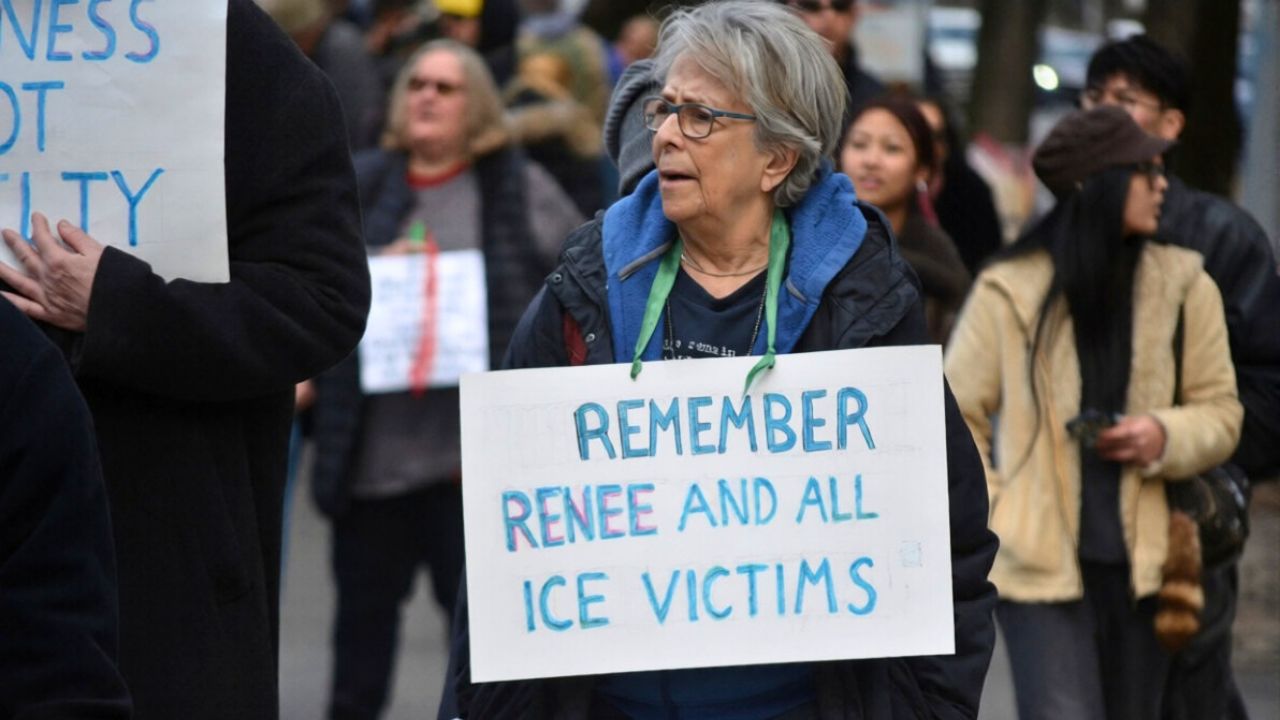
MINNEAPOLIS — The Trump administration is winding down its sweeping immigration crackdown in Minnesota after an operation that officials said led to more than 4,000 arrests, sparked weeks of street protests, and intensified national scrutiny following the fatal shootings of two U.S. citizens during confrontations with federal agents. White House border czar Tom Homan announced the drawdown Thursday, calling the operation a success and arguing it made Minnesota “less of a sanctuary state for criminals,” while Democratic Gov. Tim Walz described it as an “unnecessary, unwarranted and in many cases unconstitutional assault.”
The crackdown, called “Operation Metro Surge,” began in December and focused heavily on the Minneapolis–St. Paul metro area, with large deployments of federal officers and a visible enforcement presence that changed daily life in some neighborhoods. Residents reported convoys of unmarked SUVs, masked officers in body armor, and recurring clashes between agents and protesters, according to AP’s reporting.
The operation became a political flashpoint far beyond Minnesota because it collided with the broader debate over mass deportations and federal oversight of immigration enforcement. AP reported that the administration portrayed many targets as dangerous criminals, but the crackdown also swept up people with no criminal records and included working families and even U.S. citizens. That gap between messaging and lived experience helped fuel the protests — and the sustained online reaction — as local leaders, advocates and national politicians used Minnesota as a case study in how aggressive enforcement plays out on the ground.
Walz urged residents to remain vigilant as officers prepare to leave and said the state is still trying to measure the social and economic damage. He proposed a $10 million aid package for businesses that he said were harmed and called on the federal government to help fund recovery, arguing that Washington cannot “break things and then just leave.”
The drawdown also comes as public opinion appears to be shifting in ways that complicate the White House’s political calculus. AP reported that an AP-NORC poll found many U.S. adults say Trump’s immigration policies have “gone too far,” and live updates also noted that about 6 in 10 independents now say deportation efforts have gone too far — an increase from earlier polling — while only about 2 in 10 independents view ICE positively.
Homan said a smaller security force would remain and that enforcement would continue, but the move is still being read as a meaningful retreat after weeks of disruptive headlines. For supporters, the Minnesota surge is proof the administration is serious about enforcement; for critics, it is proof the approach is too broad, too opaque, and too likely to trigger collateral damage.
For communities in Minnesota, the immediate question is what “ending” actually means in practical terms — whether raids and detentions slow noticeably, whether local economies and schools stabilize, and whether there is any accountability review of the shootings and other incidents. The broader national question is whether Minnesota becomes a one-off correction or a template that shifts how immigration operations are scaled — especially as Congress remains locked in fights over DHS oversight and funding.