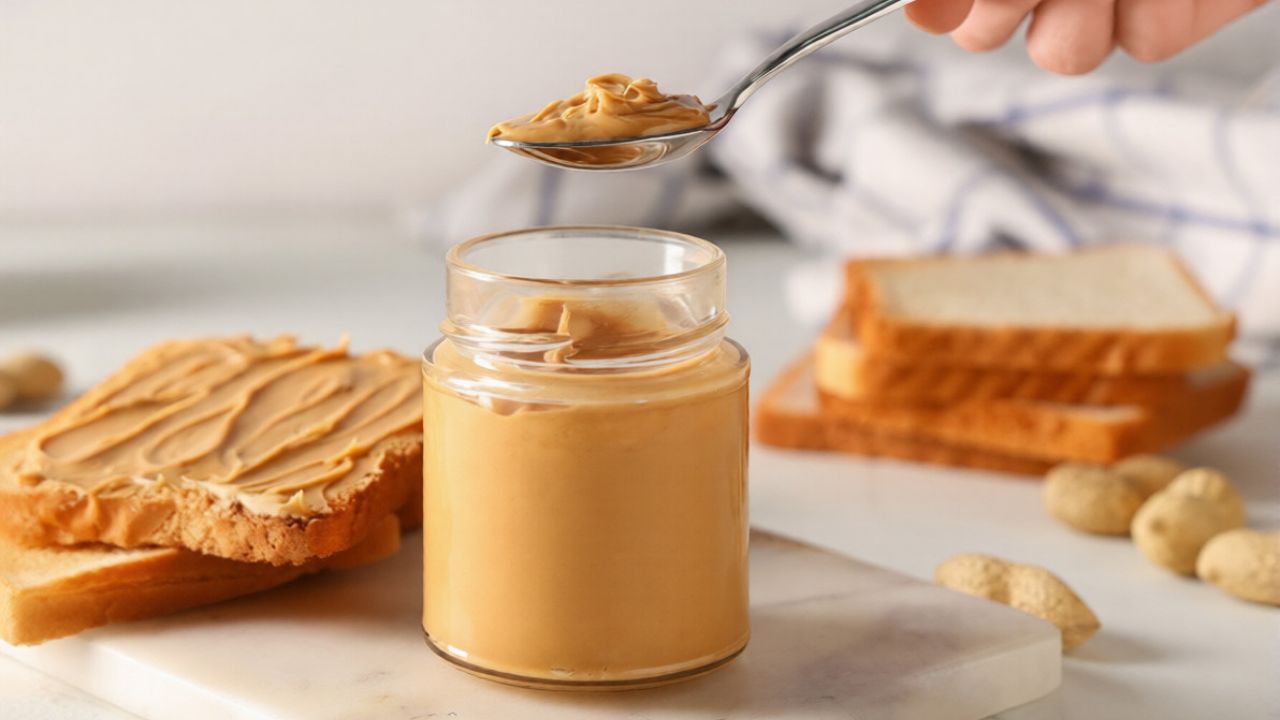
40-state peanut butter recall: the “single-serve” packs are the ones you should check
Photo credit: Pixel-Shot/Shutterstock.com
A major peanut butter recall is spreading fast online for one simple reason: it’s not about one brand sitting in your pantry. It’s about single-serve peanut butter packets and PB&J combo packs used in cafeterias, hotels, hospitals, and food-service settings — and the recalled items were distributed across 40 states after a manufacturer found pieces of blue plastic in a filter during production.
Ventura Foods initiated the recall on April 30, 2025, and the U.S. Food and Drug Administration later classified it as a Class II recall on Feb. 12, 2026. That classification generally means exposure “may” cause temporary or medically reversible health effects, while serious harm is considered unlikely.
The reason the story is getting so many reactions is the distribution chain. These aren’t mainly big retail jars with a familiar label. Reports tied to the FDA notice say many of the recalled items were produced for food-service and sold under multiple brands and private labels — including products distributed through major suppliers and distributors. That makes it harder for consumers to recognize the risk unless they see the product packaging or lot information directly.
Local stations have been blasting the update because the recall covers so many states and because the contamination involves foreign material rather than spoilage. ABC7 Chicago’s reporting said the impacted items include peanut butter packets and small PB&J cups, and that the issue was discovered when blue plastic was found in a filter at the manufacturing facility.
What should people do? Start with the obvious: if you have a box of single-serve peanut butter packs from a hotel breakfast stash, a school fundraiser, or a bulk buy, don’t guess. Check the brand and lot details against the recall information provided through reporting tied to the FDA classification and distributor lists, and if you’re unsure, treat it as included.
It’s also worth noting why “Class II” matters in practical terms. This category is often used when the hazard is real but not expected to cause serious injury in most cases. Still, foreign material can cause choking risk or mouth injury, and the safest move is to stop using any product that matches the recall listing.
The recall story is also a reminder of how food safety news travels now: a recall can be months old, then explode when the FDA updates a classification, prompting a new wave of headlines and social posts. That’s what’s happening here — and it’s why people are suddenly asking, “Wait, is that in my kid’s lunch?”