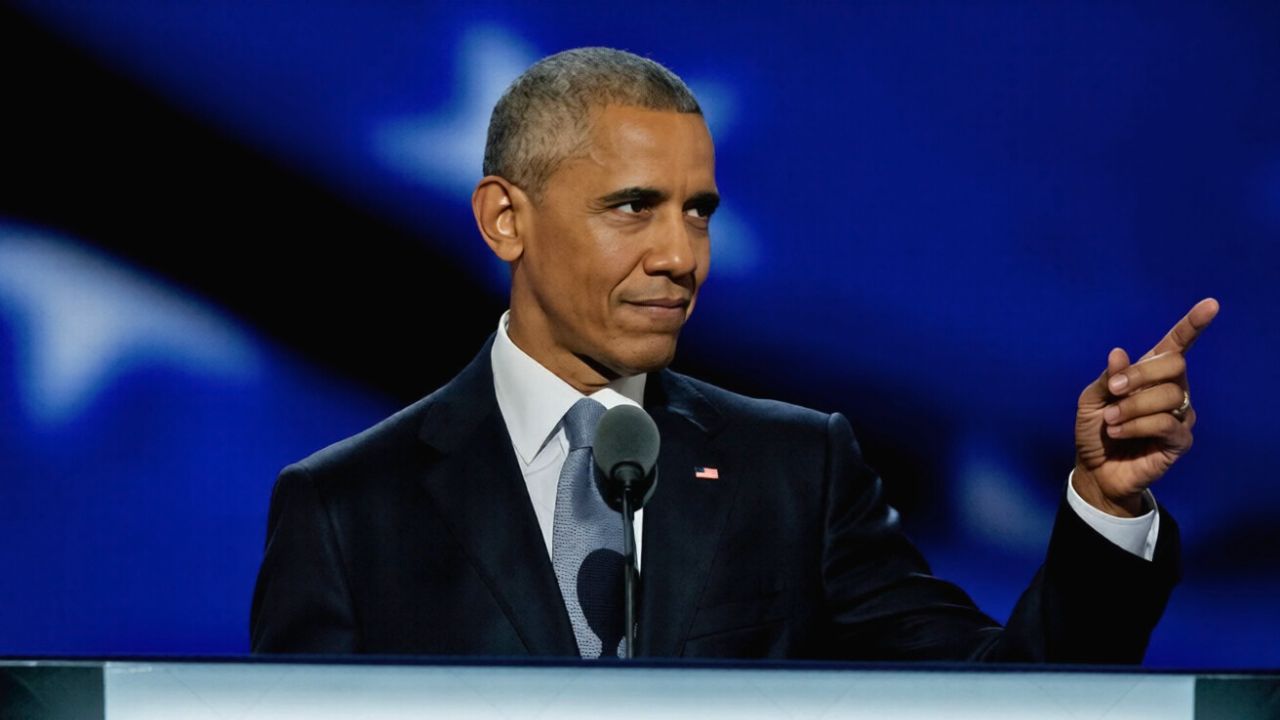
Obama said “aliens are real,” then clarified it — and the internet ran with the first part anyway
Photo credit: Mark Reinstein/Shutterstock.com
WASHINGTON — Former President Barack Obama set off a fresh wave of UFO chatter after a lightning-round moment on a podcast where he answered “They’re real” when asked if aliens exist — then quickly added that he hasn’t seen them and they’re not being kept at Area 51. Within hours, the clip was everywhere, spawning conspiracy threads, memes, and a familiar cycle of “what did he mean?” posts that treated a joking exchange like a disclosure event.
Obama later tried to shut down the frenzy. In a follow-up clarification, he said he saw no evidence that aliens “have made contact with us” during his presidency and emphasized that his comments were rooted in probability — the universe is huge — not inside knowledge or secret files.
The exchange happened during an interview with progressive podcast host Brian Tyler Cohen, who asked in a rapid-fire segment, “Are aliens real?” Obama’s answer landed because it was so blunt — then immediately undercut by his next sentence, which pointed out he hasn’t seen any proof and dismissed the Area 51 mythology as far more mundane than pop culture suggests.
That’s the part a lot of people skipped. The “aliens are real” line is what spreads, and the context becomes optional. It’s the same dynamic that powers half the internet: a clean, shareable quote that feels like a headline, followed by nuance that requires attention and ruins the fun. And because UFO/UAP talk has become more mainstream in the last few years — including government reports and congressional interest — Obama’s joke hit a public that’s primed to believe there’s always more to the story.
The result is a cultural moment that looks bigger than it is. Obama didn’t reveal new information. He didn’t cite a briefing, an investigation, or a classified program. He essentially said two things at once: it’s plausible life exists somewhere out there, and there’s no evidence it has visited here.
Still, this kind of clip keeps resonating because it’s low-stakes, high-curiosity content — the perfect break from heavier news. It lets people argue without arguing about policy, and it creates a shared internet game: interpreting tone, reading between lines, and pretending a comedy beat might be an unintentional confession.