This dryer vent problem is more common than people think
Photo credit: Benjamin Clapp/Shutterstock.com
You probably think of your dryer as one of the safer appliances in your home, yet the vent behind it can quietly turn into a fire risk, a moisture problem, and a money drain. The most common issue is a vent that is partially blocked or poorly installed, and it shows up far more often than most homeowners realize. Once you know how to spot the warning signs and fix the underlying causes, you can keep your laundry routine fast, efficient, and much safer.
Why a “slow” dryer is usually a vent problem
When your laundry suddenly needs two or three cycles instead of one, your first instinct is probably to blame the machine. In reality, longer dry times are one of the clearest signs that your dryer vent is restricted rather than that the appliance has failed. Manufacturer guidance lists Long Dry Times as the most common indicator of blocked venting, because the hot, moist air your dryer is trying to expel has nowhere to go.
Insurance experts echo the same pattern, describing how a clogged vent forces your dryer to run longer at higher temperatures, which wears out components and drives up your utility bill. A typical load should dry in roughly a 45-minute window; if you are regularly doubling that, you are seeing the kind of performance decline that shows up in professional troubleshooting checklists. In one widely shared Comments Section No thread, electricians pointed out that a homeowner’s “weak power” suspicion was misplaced and that venting issues were the far more likely culprit.
The hidden fire hazard behind your laundry room wall
Slow drying is annoying, but the larger problem is what that slowdown signals about fire risk. When hot exhaust air cannot escape freely, it heats up the lint trapped inside the ductwork, turning the vent into a tinderbox. Fire investigators describe Why Dryer Vents a Fire Hazard in blunt terms: lint behaves like a fine, extremely flammable fuel, and when it collects near heating elements or exposed wiring, it can ignite quickly.
National safety data backs up how serious that risk is. According to the According to the National Fire Protection Association, NFPA, dryers and washing machines cause an average of 15,970 fires each year, with dryers accounting for 92 percent of those incidents. When you let lint accumulate in the vent, you are effectively storing that fuel in a confined metal tube and then blasting it with hot air every time you press start.
How lint quietly builds up in your vent
You clean the lint screen and assume you are covered, but a surprising amount of fiber still escapes into the vent line on every cycle. Appliance guides describe how lint is released as clothes tumble and then carried out with the exhaust air, where it gradually coats the inside of the duct. Over time, that film thickens into clumps that narrow the passage. Official troubleshooting pages list Causes of Blocked or Restricted Dryer Vents and repeatedly point to lint as one of the primary reasons airflow drops off.
Technicians who handle Common Dryer Vent Issues in Orange County see the same pattern on the ground. They describe Lint Buildup and as the dominant problem, explaining that lint is naturally produced during the drying process and piles up even faster when the duct has sharp bends or a long run. Over time, that buildup does not just slow your dryer; it can trap moisture, corrode metal fittings, and create pockets where embers can smolder if something goes wrong inside the machine.
Warning signs you are ignoring
Once you know what to look for, a clogged vent becomes much easier to spot before it turns dangerous. Safety checklists highlight a few key red flags: clothes that feel unusually hot at the end of the cycle, a laundry room that turns humid or stuffy, and an exterior vent hood that barely flutters when the dryer is running. One guide on What Happens When a Dryer Vent Is Blocked spells it out clearly: your dryer takes much longer than a typical 45-minute cycle to dry, clothes come out damp or musty, and you may even see lint collecting outside the trap and vent.
Other checklists break those alerts into simple steps so you can run your own quick inspection. A guide titled The Step-by-step Guide to Identifying Warning Signs a Clogged Dryer Vent starts with Step 1: Notice Performance Declines, then moves on to checking for excessive heat and musty odors. When you combine those sensory clues with longer drying times from lists of Warning Signs Your Dryer Vent Might Need Cleaning, you get a reliable early-warning system that does not require any tools.
Why poor installation makes the problem worse
Even a brand-new dryer will struggle if the vent system is poorly designed. Long horizontal runs, too many tight elbows, and flexible plastic ducts all slow airflow and give lint more places to stick. Venting specialists warn about the Clogged Dryer Exhaust that results when installers pack in excessive duct turns, because every extra bend increases resistance and encourages lint to settle out of the air stream.
Modern best practice favors smooth metal ducts that run as straight and short as possible. Guides that walk you through the steps in a Professional Dryer Vent emphasize choosing the right duct material and recommend rigid or semi-rigid metal over foil or plastic. They also caution that even DIY-savvy homeowners should be careful, because a vent that looks fine on the surface can still have hidden sags or crushed sections behind walls that trap lint and cut airflow dramatically.
Moisture, mold, and other side effects of a blocked vent
Fire risk is only part of the story. When exhaust air cannot escape, the moisture from every load ends up inside your home instead of outdoors. That extra humidity can condense on cold surfaces, stain walls, and feed mold growth in hidden cavities. Building science specialists point to Improper venting, such as terminating a dryer duct in an attic, crawlspace, or garage, as one of the biggest moisture-causing issues because it traps warm, damp air where it can do the most damage.
Blocked vents can also push condensation back toward the laundry area itself. Appliance help pages warn that a severely restricted duct can lead to water leaking on the floor around the machine as steam backs up and cools. Over time, that repeated dampness can swell subflooring, rust metal stands, and even damage nearby electrical components. If you see peeling paint, a musty smell, or persistent fog on nearby windows after each cycle, you are likely dealing with a vent issue, not just a “steamy” laundry day.
Practical steps you can take today
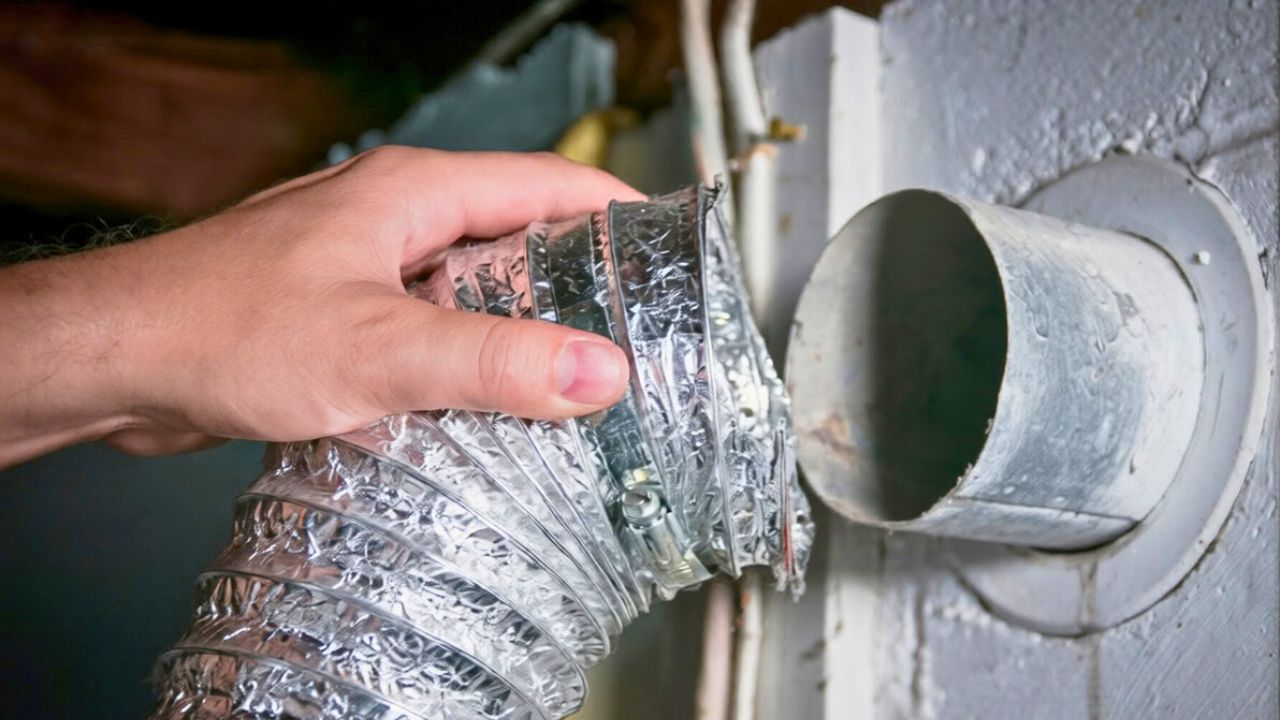
You do not need to be a contractor to tackle the most common vent problems. Start by pulling the dryer gently away from the wall, unplugging it, and disconnecting the flex duct so you can clear visible lint from both the appliance outlet and the first section of pipe. Outside, check that the vent hood opens freely and that no bird guards or screens are choked with debris. Guides that outline Key Signs of a Clogged Dryer Vent Before It Becomes a Fire Hazard stress that Your Dryer Takes Too Long is your cue to act, not a quirk you should learn to live with.
For deeper cleaning, you can use a brush kit designed for dryer ducts or hire a specialist with rotary tools and high-powered vacuums. Service companies describe how they watch for specific red flags during inspections, such as heavy lint deposits at the exterior cap or scorch marks near the dryer outlet, and they recommend annual service for most households. If you own a major-brand appliance, you can also register it through an owners portal and explore service plans that include vent inspections, which helps you keep maintenance on a regular schedule instead of waiting for a problem to show up.
When to call in a professional
Some situations call for more than a quick DIY sweep. If your vent run is long, passes through finished walls, or exits at a roof cap, a professional has the tools and access gear to reach sections you cannot safely touch. Inspection checklists that share the exact warning signs technicians look for, such as those introduced with the word Below, highlight situations where burning smells, visible scorch marks, or repeated tripping of thermal fuses mean you should stop using the dryer until the vent has been evaluated.
Cost is another reason people delay, but you have options. Industry FAQs that answer questions starting with How much for air duct cleaning explain that pricing is usually determined on a flat fee basis for a standard system, with add-ons if the job is unusually complex. Other guides note that many companies will charge a flat rate for a standard cleaning, while Many others price by the number of vents, which gives you a predictable range before work begins.
Turning a common problem into a maintenance habit
The same way regular oil changes keep your car from failing its inspection for the five common defects that so often end in an on-the-spot fail, such as brakes or exhaust and emissions, routine vent care keeps your dryer from becoming a hidden hazard. Home repair guides on Dyer Vent Maintenance explain that Installation Thousands of structural fires occur every year because of clogged vents and that some of the easiest prevention steps are also the most neglected, like cleaning the lint trap after every load and avoiding plastic ducting that is not specified by most manufacturers.
If you fold vent checks into your normal routine, you turn a widespread but overlooked defect into a manageable chore. Clean the lint screen every cycle, vacuum behind the dryer a few times a year, and schedule a professional cleaning if you notice Clothes Take Too Long to Dry, especially if a load that normally dries in 40 m suddenly needs multiple cycles. By treating your vent with the same seriousness you give to smoke alarms or furnace service, you protect your home from fire, keep lint from becoming a hidden fuel source, and save yourself from the frustration and cost of a dryer that never seems to finish its job.
Like Fix It Homestead’s content? Be sure to follow us.
Here’s more from us:
- I made Joanna Gaines’s Friendsgiving casserole and here is what I would keep
- Pump Shotguns That Jam the Moment You Actually Need Them
- The First 5 Things Guests Notice About Your Living Room at Christmas
- What Caliber Works Best for Groundhogs, Armadillos, and Other Digging Pests?
- Rifles worth keeping by the back door on any rural property
*This article was developed with AI-powered tools and has been carefully reviewed by our editors.