You’re wasting propane if your grill is doing this on windy days
Photo credit: Xphotoz/istock.com
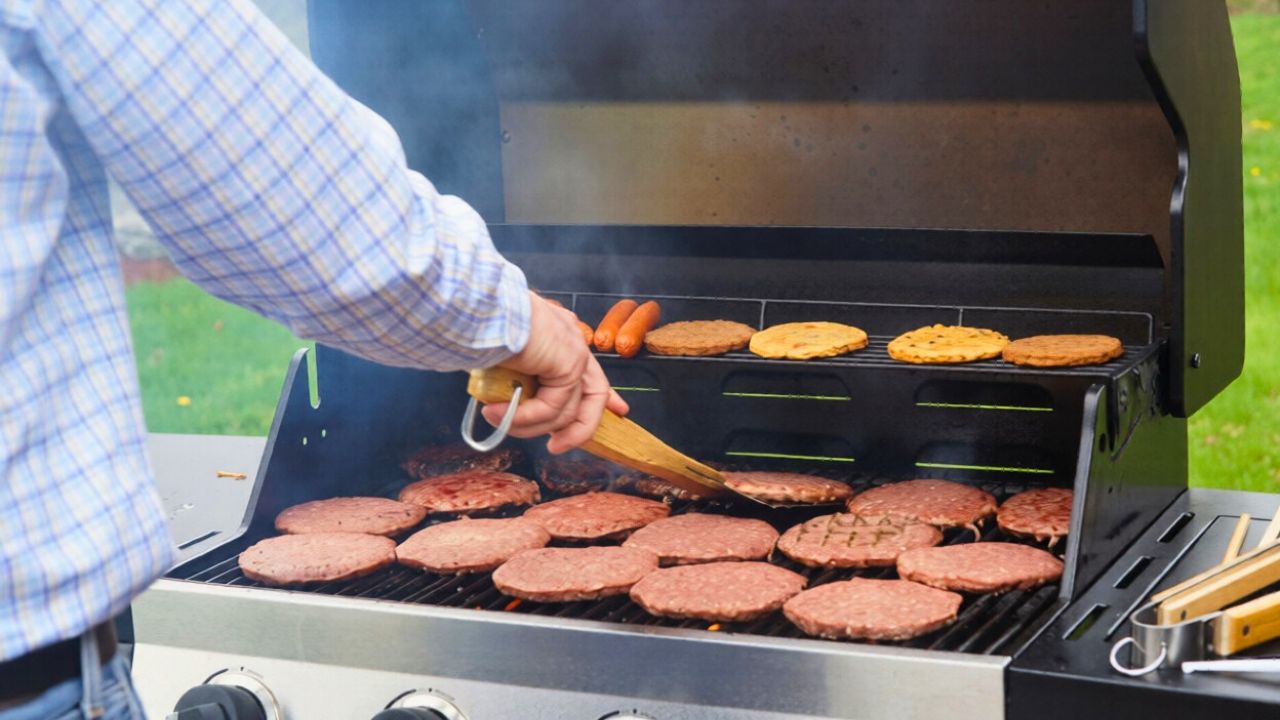
When the wind picks up, your propane grill can quietly burn through fuel without giving you the heat you paid for. Gusts strip away warmth, disrupt the flame, and tempt you into cranking the knobs wide open just to keep dinner on track.
If your grill behaves differently on blustery days, you are not just battling the weather, you are likely wasting propane and sacrificing food quality. With a few targeted adjustments, you can keep the flame steady, protect your fuel, and still serve a proper sear even when the forecast is working against you.
How wind actually makes your propane grill waste fuel
On a calm day, your burners heat the air inside the cookbox, that hot air warms the grates, and your food cooks in a relatively stable environment. Add gusty conditions and the wind pulls that heat away before it can soak into the metal, so your grill works harder and stays cooler. You respond by opening the valves further, which sends more propane through the burners, yet the moving air keeps stealing the warmth as quickly as you create it.
Wind also interferes with the flame itself. Strong cross‑breezes can push the flame off the burner ports or even blow it out completely, especially if the grill is facing into the gusts. Guidance on wind and temperature explains that too much wind can extinguish the flame or cause uneven heating, which encourages you to chase temperature swings with more gas. That cycle of lost heat, higher settings, and unstable flames is where a lot of your propane disappears without ever reaching your food.
Tell‑tale signs your grill is losing the battle with gusts
You can usually spot wind‑related waste before you see the fuel gauge drop. When your grill takes far longer than usual to reach a familiar preheat temperature or never quite gets there, the air around it is likely carrying heat away. If you notice the lid thermometer bouncing up and down instead of climbing steadily, you are seeing the effect of gusts that are cooling and reheating the cookbox in rapid cycles.
Another giveaway is a flame that looks weak, noisy, or uneven across the burners. Advice on why your grill notes that environmental conditions can cause burners to struggle or shut down, which often shows up as sputtering flames or hot and cold zones on the grate. If you find yourself repeatedly checking the burners, relighting sections, or turning the knobs higher just to maintain a basic sizzle, the wind is likely forcing you to burn more propane than you should.
Positioning the grill so the wind works for you, not against you
Your first line of defense is where and how you park the grill. Rather than aiming the lid directly into the gusts, turn the cookbox so the wind crosses it in a way that does not blow straight through the burner tubes. Guidance on when it is recommends angling a gas grill so the wind is perpendicular to the gas flow, which helps keep the flame anchored on the burner ports instead of lifting off or going out.
It also pays to think about natural and built windbreaks. Advice on windy barbecues suggests positioning your grill to minimise direct gusts, using fences, walls, or hedges as shields while still keeping safe clearances from combustible surfaces. By tucking the grill into a slightly sheltered corner and rotating it so the wind skims past rather than through the firebox, you reduce the amount of heat that escapes and keep the burners from fighting a constant crosswind.
Using lids, vents and match‑light ports to control the flame
Once the grill is in the right spot, you can use its hardware to keep the flame stable. The lid and vents are not just for smoke control, they are tools for managing airflow so wind does not dominate the fire. Guidance on your BBQ lid explains that closing the lid and adjusting vents helps maintain the flame and temperature, especially when gusts would otherwise rush in and out of the cookbox.
You can also monitor the burners without constantly lifting the lid. Advice on using the match‑light describes peeking through that opening to check whether the flame is still steady, which keeps you from dumping more heat every time you raise the lid. By treating the lid as a shield and using built‑in access points to inspect the fire, you avoid the common habit of repeatedly opening the grill, losing heat, and then compensating with more propane.
Lighting and relighting: how to stop wasting gas at startup
The way you light your grill on a windy day has a big impact on fuel consumption. Opening all the burners at once and then struggling to ignite them in gusty air can release a surprising amount of propane that never catches fire. Advice on lighting your grill in blustery weather recommends shielding the ignition area, using the lid and your body to block gusts, and confirming a strong flame on one burner before opening additional valves so you are not feeding gas into a firebox the wind keeps snuffing out.
If the flame does go out mid‑cook, you need to resist the urge to hit the igniter immediately. Safety guidance on turning off the explains that leaving valves open can lead to reduced gas flow and other issues, and that you should shut off the gas and let the grill clear before trying again. On windy days that discipline matters even more, because repeated failed relights with open valves waste propane and increase risk. A deliberate sequence of closing, waiting, and then relighting with better wind protection keeps both your fuel use and your stress level under control.
How wind steals heat from both gas and charcoal setups
Even if you only cook on propane, it helps to understand how wind behaves around any grill. Guidance on steals heat explains that wind robs your grill of the warmth it works to build up, disrupting temperature control regardless of fuel type. For gas, that means the burners must keep pouring energy into a cookbox that never fully heats, while for charcoal it means lit coals burn faster and cooler as gusts fan them unevenly.
Advice on especially in windy notes that charcoal can burn through fuel more quickly because extra oxygen speeds combustion, yet the same gusts also carry heat away from the cooking chamber. Your propane grill faces a similar double hit, with wind feeding the flame enough air to keep it roaring while simultaneously cooling the metal surfaces that should be holding that heat. Recognising that pattern helps you see why simply turning the knobs higher is not a solution, you need to control airflow and shelter the cookbox so the heat you generate actually stays where you need it.
Smart burner management when gusts keep shifting
Once you have a stable flame, you can fine‑tune burner settings to match what the wind is doing instead of fighting it blindly. Guidance on grilling in windy notes that you may see increased temperature swings and that some grills will shut down if they sense low temperatures for an extended period. To avoid that, you can start with a slightly higher preheat than usual, then reduce the burners once the grates are hot so you are not running at full blast throughout the cook.
On blustery days it often helps to use fewer burners at higher settings rather than all burners on low. Guidance on grilling in the explains that wind can make a grill difficult to light and keep at temperature, which pushes many people to open every valve. By instead running one or two burners hotter and using indirect zones, you concentrate heat where it is most protected and avoid wasting propane across the entire cookbox. Paired with a closed lid and careful placement of food, that approach keeps energy focused on the grate instead of the breeze.
Matching your menu and timing to the conditions
Some foods are simply more forgiving when the weather is uncooperative. If the forecast calls for gusts that could hit 60 miles per hour, like the conditions described in a grilling video filmed in Ohio, you set yourself up for frustration if you plan a delicate low‑and‑slow cook that demands rock‑steady temperatures. Shorter, hotter cooks such as burgers, thin pork chops, or skewers give you more margin when wind may cause brief temperature dips or spikes.
You can also lean on ingredients that tolerate a wider temperature range. If you are already experimenting with different cuts using a search for the best meat for, you can prioritise cuts that cook quickly over those that demand long, gentle heat. Vegetables are another smart choice, especially sturdy options like peppers, zucchini, and onions that you might already be preparing using easy grilled vegetables techniques. By matching your menu to what the wind will allow, you reduce the need to keep burners roaring for hours and protect your propane in the process.
When to call it and move the party, plus a quick recap
There is a point where the wind wins, and recognising it protects both your fuel and your safety. Guidance on windy city grilling and other weather advice makes clear that extreme conditions can push flames around, blow out burners, and create unpredictable hot spots. If you see the lid thermometer refusing to climb, the flame keeps going out, or gusts are strong enough to move the grill slightly, you are better off pausing the cook, turning off the gas at the tank, and shifting to an indoor appliance or a more sheltered day.
When the conditions are manageable, the fixes are straightforward. You anticipate the gusts and angle the grill using guidance that tells you to anticipate the wind, you use the lid, vents, and match‑light hole to control airflow, and you light and relight with intention so you are not dumping unburned gas into the cookbox. Advice on how to grill and on windy city grilling shows that with a little planning you can overcome the elements. When you combine those tactics with an understanding of how wind steals heat, you stop wasting propane and start using every ounce of fuel to put better food on the table, even when the weather insists on adding its own seasoning.
Like Fix It Homestead’s content? Be sure to follow us.
Here’s more from us:
- I made Joanna Gaines’s Friendsgiving casserole and here is what I would keep
- Pump Shotguns That Jam the Moment You Actually Need Them
- The First 5 Things Guests Notice About Your Living Room at Christmas
- What Caliber Works Best for Groundhogs, Armadillos, and Other Digging Pests?
- Rifles worth keeping by the back door on any rural property
*This article was developed with AI-powered tools and has been carefully reviewed by our editors.