These tree roots can wreck your septic line sooner than you’d think
Photo credit: Stephen Farhall/Shutterstock.com
Tree roots do not wait decades to cause trouble for your septic line. Given moisture, nutrients, and even a small opening, they can invade pipes in just a few growing seasons and quietly set up the kind of damage that leads to backups, flooded yards, and expensive emergency calls. By the time you see symptoms inside your house, the underground battle is usually well underway.
Understanding how roots behave, which species are riskiest, and how your septic layout interacts with the rest of your yard lets you keep your trees while still protecting your system. With a few smart planting choices and some preventative work, you can avoid letting those roots wreck your septic line long before its expected lifespan.
Why septic systems attract roots faster than you think
Your septic system is basically a magnet for roots. Pipes, tanks, and drainfields leak tiny amounts of moisture and nutrients into the surrounding soil, and tree roots are constantly exploring in search of exactly that. Specialists explain that root intrusion is an insidious problem because it often starts with hair-thin roots slipping through microscopic gaps, long before you see any failure at the surface. Once those fine roots find a steady water source, they keep thickening and spreading inside the line.
Septic components are also usually surrounded by looser, disturbed soil from when the trench or tank was installed, which makes it easier for roots to move through that zone compared with untouched subsoil. Guidance on tree root growth notes that roots naturally proliferate where oxygen and moisture are most available, which is exactly the environment you create around shallow pipes and drainfields. That combination of nutrient-rich seepage and easy-to-penetrate soil is why roots can reach your system much sooner than you expect.
How roots actually break into pipes and tanks
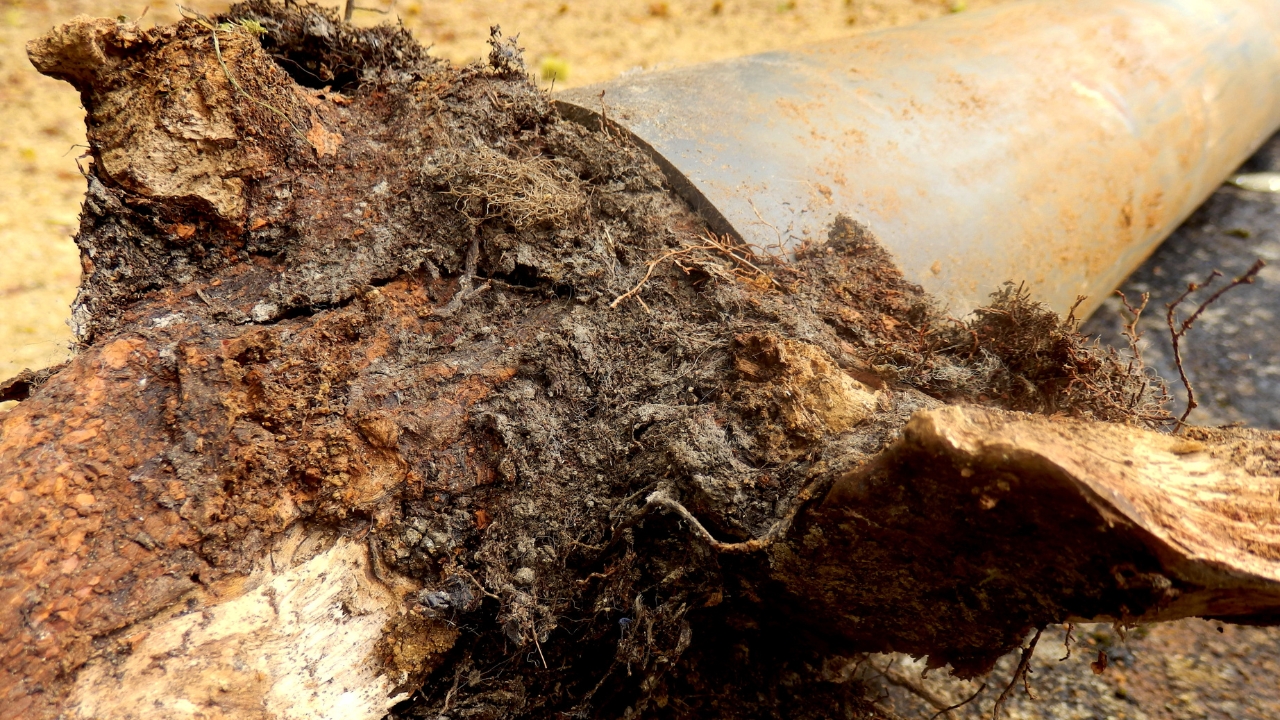
Roots rarely punch through solid, intact pipe walls in one dramatic moment. Instead, they exploit existing weaknesses such as loose joints, tiny cracks, and imperfect seals. Once a hair root finds a gap, it grows along the flow of water and gradually wedges the opening wider. Septic pros describe how infiltration of pipes starts with very small intrusions that slowly restrict flow, trap solids, and create blockages that behave like a clog from inside the pipe wall.
Once inside the line, those roots behave like a net that catches everything passing by. Grease, toilet paper, and other solids snag on the root mass, which accelerates buildup and can cause sewage to back up into your home. Over time, the expanding root network can crack brittle piping, deform plastic lines, or even shift sections of pipe out of alignment. When roots reach the tank, they can interfere with baffles and seals, and they can also open new pathways for effluent to leak into the surrounding soil and groundwater.
Why some trees are far more aggressive than others
Not every tree in your yard poses the same threat. Some species naturally develop shallow, wide-spreading root systems that actively hunt for water, which makes them far more likely to invade septic infrastructure. Arborists point out that Poplar trees, identified as Poplar trees (Populus species), develop extremely widespread, shallow root systems that are especially problematic near water lines and septic systems. Similar behavior shows up in willows, silver maples, and other moisture-loving species that treat any buried pipe as a convenient water source.
Fast-growing species tend to cause trouble sooner because they invest heavily in root expansion during their early years. Drainage specialists warn that fast-growing, tall-standing trees are the most aggressive pipe assailants, which is exactly the growth pattern you see in many popular shade trees. When you combine that rapid root expansion with a septic line that sits within reach of the canopy, you set yourself up for root intrusion much earlier in the system’s life than the design lifespan suggests.
How far roots really travel to reach your septic line
You cannot assume a tree is safe just because it is not planted right on top of the tank. Research on general root spread explains that, on average, roots can extend about 1.5 to 3 times the tree’s height. That means a 30 foot tall tree can easily have roots stretching 45 to 90 feet from the trunk, and some species like willows and poplars can push even farther when they are seeking moisture. If your septic line or drainfield sits anywhere inside that radius, you should treat the tree as a potential threat.
Soil conditions also affect how quickly roots can reach your system. In areas with a high water table and loamy or sandy soils, guidance on trees and septic notes that roots spread faster because the ground stays moist and easy to penetrate. If you live on a small lot, you may not have enough distance to plant large trees anywhere that is truly outside their root zone, which makes species selection and root barriers even more important.
Warning signs your septic line is already under attack
By the time sewage backs up into your tub, roots have usually been at work for years. Early clues tend to show up as slow drains across multiple fixtures, gurgling sounds in toilets when other fixtures run, and occasional sewage smells near the tank or drainfield. Septic professionals describe how tree roots are one of the most common and costly threats to a septic system, and they often force you to pump or repair your tank earlier than expected once they have compromised the system.
Outside, you should pay attention to unusually lush or bright green patches of grass above the line or drainfield, as well as soggy spots that stay wet even in dry weather. Those can indicate that roots have cracked a pipe and are now feeding on leaking effluent. Guidance on roots in septic explains that once roots are established, they keep growing, thickening, and spreading, which means the visible symptoms usually get worse over time rather than resolving on their own.
The health and environmental risks you cannot see
Root damage is not just a plumbing problem. When roots crack pipes or disrupt seals, they create new paths for partially treated sewage to escape into the soil. Specialists warn that health risks rise when effluent bypasses the normal treatment process, since bacteria, viruses, and household chemicals can migrate into nearby wells or surface water. If you use a private well, that kind of hidden leak can directly affect your drinking water quality.
Even if the contamination stays on your property, it can still harm soil structure and local ecosystems. Excess nutrients from leaking effluent can encourage algae growth in nearby ponds and streams, and they can also stress trees and shrubs that are not adapted to that level of nitrogen and phosphorus. Over time, a root-damaged septic system can turn your yard into a chronic source of pollution that affects neighbors and local wildlife as well as your own household.
Species and planting mistakes that fast track damage
Your planting choices can either protect your septic system or put it on a collision course with aggressive roots. Guidance on avoid growing certain plants above your septic tank explains that some species aggressively seek out water and can quickly clog or damage components when planted directly over them. Willows, poplars, and some types of bamboo are among the most notorious examples of this behavior, and they should never be sited near your tank or drainfield. On the flip side, guidance on sewer safer trees lists slow and moderate growing species that are better suited for planting near utilities because their roots are less aggressive.
Location mistakes are just as costly as species mistakes. Septic experts warn that plants with aggressive become a serious threat when you place them directly over or beside septic components, often leading to expensive repairs. If you want shade or privacy near your system, you are better off with shallow rooted grasses and perennials, and you should keep any tree whose mature height exceeds 20 feet well outside the 1.5 to 3 times height root spread zone around your tank and lines.
What to do if roots are already in your septic system
If you suspect roots have invaded your pipes, act quickly before the damage escalates. Specialists who handle roots in septic emergencies emphasize that mechanical root removal and camera inspections are usually the first steps, since they allow a technician to clear the line and see how far the intrusion has progressed. In some cases, targeted root cutting and spot repairs can restore flow, but in others you may need to replace entire sections of pipe that have been crushed or shifted.
After you address the immediate blockage, look for ways to prevent a repeat. That might mean removing a problem tree, installing a physical root barrier, or rerouting part of the line away from dense plantings. Guidance on install root barrier strategies explains how properly installed barriers can redirect roots downward or away from sensitive areas without killing the tree, which can buy you extra years of protection when removal is not practical. Whatever approach you choose, the key is to remember that roots will keep growing back toward moisture unless you change the conditions that attracted them in the first place.
How to design a yard that protects both trees and septic lines
You do not have to choose between a healthy landscape and a reliable septic system if you plan ahead. When you map out new plantings, start by locating your tank, lines, and drainfield, then overlay the likely root zones of any trees you want to keep or add. Septic and plumbing specialists consistently advise you to avoid planting trees close to sewer lines, and they stress that fast growing species with aggressive root systems pose the biggest risk. If you already have large trees near your system, you can work with an arborist to manage their size and root spread over time.
When you choose new trees, lean toward species that are documented as more compatible with utilities and that match your soil and climate. Guidance on worst trees for septic systems provides a useful do not plant list, while resources on sewer safer choices help you pick alternatives that still provide shade and aesthetics. Combined with regular septic maintenance, including pumping and inspections, those choices dramatically cut the odds that roots will wreck your septic line long before its time.
Like Fix It Homestead’s content? Be sure to follow us.
Here’s more from us:
- I made Joanna Gaines’s Friendsgiving casserole and here is what I would keep
- Pump Shotguns That Jam the Moment You Actually Need Them
- The First 5 Things Guests Notice About Your Living Room at Christmas
- What Caliber Works Best for Groundhogs, Armadillos, and Other Digging Pests?
- Rifles worth keeping by the back door on any rural property
*This article was developed with AI-powered tools and has been carefully reviewed by our editors.