The garage door sound that usually means a bigger issue is coming
Photo credit: GagoDesign/Shutterstock.com
You hear your garage door every day, so when the usual hum turns into a harsh new sound, it is often the first sign that something in the system is starting to fail. One particular noise, a sharp popping or cracking from above the door, often points to a stressed torsion spring or hardware that can escalate into a dangerous, expensive problem if you ignore it. By learning how to recognize that sound, and how it differs from more routine squeaks and rattles, you give yourself time to act before a minor annoyance becomes a full system breakdown.
Rather than treating the door as background noise, you can use what you hear as an early warning system. Each type of sound usually traces back to a specific part of the mechanism, and professionals repeatedly stress that unusual noises are among the earliest signs of misalignment, wear, or lack of lubrication that can lead to failure. Once you know which sound usually signals a bigger issue is coming, you can decide when a bit of DIY maintenance is enough and when you need to stay clear and call in a technician.
The one sound that should make you stop and look up
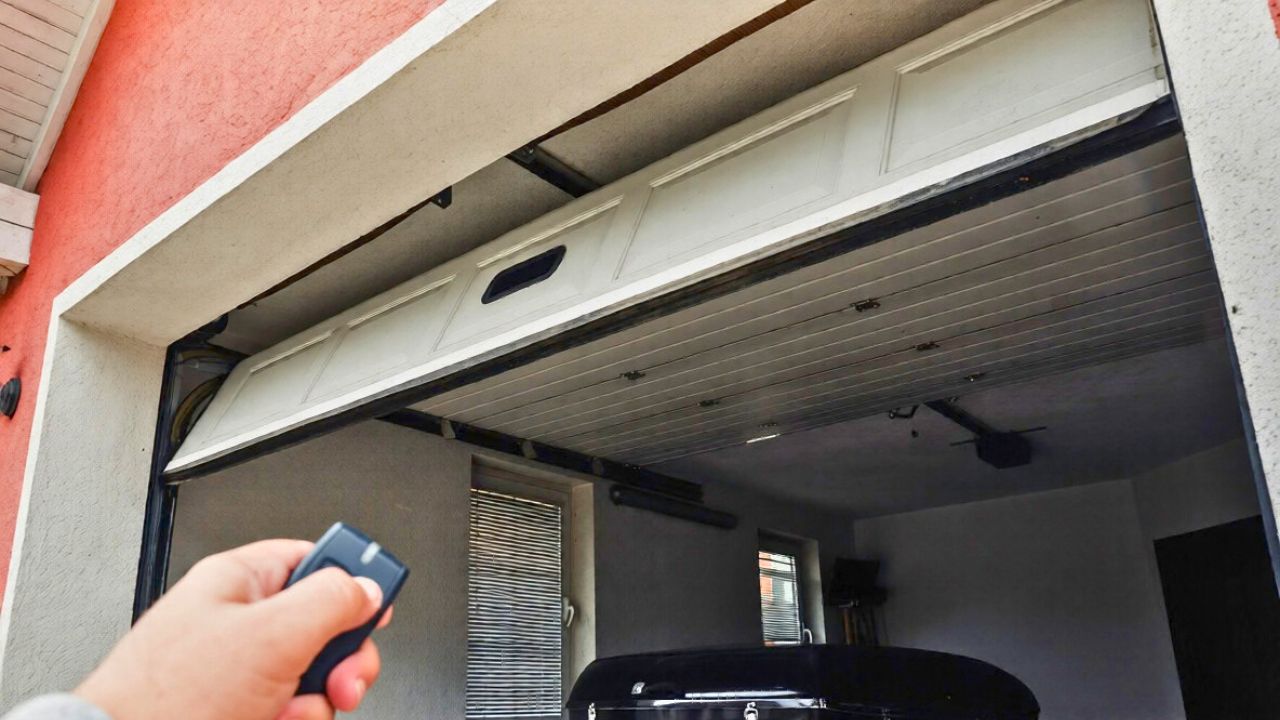
The garage door noise that most often signals a serious problem on the horizon is a loud popping or cracking from the torsion spring area as the door starts to move. You usually hear it from above the door opening, near the shaft that carries the spring, and it can feel like a single gunshot-style pop or a series of sharp cracks as the door lifts. Several guides on why your door point out that popping sounds tend to come from high-tension parts such as springs, hinges, or track fasteners that are shifting under load instead of moving smoothly.
When that sound comes from the spring, it usually means the steel coils are binding or the center bearing and winding hardware are under uneven stress. A torsion spring carries the full weight of the door, so any sudden release or slip in that system can send the door slamming down or leave it stuck halfway. Other sources describe rumbling, clinking, and popping as symptoms of hardware that is no longer holding the door steady, which can quickly snowball into bent tracks or a burned-out opener once the spring or brackets let go. If you start to hear that sharp pop regularly, especially combined with the door jerking or pausing, you are not just dealing with an annoying sound, you are getting advance notice that a critical part is nearing the end of its safe life.
How your door is supposed to sound when it is healthy
To recognize trouble, you first need a baseline for normal operation. A healthy modern garage door should move with a steady, relatively low level of noise, more like a consistent hum and soft mechanical clatter than a collection of sharp or grinding sounds. When the rollers, hinges, and opener rail are aligned and lubricated, the motor does most of the work and the steel parts slide past each other with only modest friction. Physics explanations of friction force make it clear that when two surfaces are smooth and properly separated by lubricant, they generate less heat and noise, which is exactly what you want across your door system.
In that ideal state, you may hear a gentle clicking from the opener chain or belt, a muted rolling sound as the door moves along the tracks, and a brief bump when it reaches its open or closed limit. What you should not hear is screeching, banging, or repeated popping as the door travels. Several service checklists that walk you through noise troubleshooting treat any sudden change in sound as a sign that friction, balance, or alignment has shifted. Once you know what your own door sounds like on a good day, you can spot those changes quickly instead of getting used to them over months.
What different noises are trying to tell you
Each distinct garage door noise usually points to a specific cluster of problems, and understanding that pattern helps you separate cosmetic issues from genuine hazards. Squeaking or squealing is one of the most common complaints and is often tied to dry metal parts that need lubrication. Guides to garage door noises describe squeaking and rumbling as classic signs that rollers and hinges are scraping instead of gliding, especially when the sound continues throughout the entire travel of the door. That kind of noise is annoying, but if the door is still moving smoothly and evenly, you usually have time to address it with cleaning and the correct lubricant.
By contrast, grinding, scraping, and banging tend to be more urgent. When metal rollers or hinges wear down, they can cause a grinding sound as they drag along the steel tracks, and if the door is out of balance, it may bang or slam at the end of travel. One detailed breakdown of what garage door links grinding to worn rollers or metal parts rubbing directly against each other, while banging and slamming can indicate a door that is no longer correctly counterbalanced. Those impact sounds put shock loads into the tracks, brackets, and opener every time you cycle the door, which can crack hardware or strip gears long before you see anything visibly broken.
Why that popping sound points to bigger trouble ahead
Among all these noises, the popping or snapping from the spring area is uniquely tied to high energy stored in steel under tension. Torsion springs are made from hardened steel coil that is wound to match the weight of your door, and references on what steel is explain that this alloy can store significant elastic energy before it deforms or fails. When corrosion, fatigue, or poor adjustment push the spring past its safe range, that energy can release suddenly with a loud crack. If the spring actually breaks, you may hear a single explosive bang and then find the door dead weight and impossible to lift.
Even before a full break, smaller pops can signal the coils shifting abruptly on the shaft or the center bearing sticking and then releasing under load. One video guide that covers why a squeal is usually shows how friction at that point can generate both noise and extra stress on the spring and shaft. Every time that bearing grabs and lets go, the load on the spring spikes, and the hardware that anchors it to the header takes a hit. Over time, that pattern can crack mounting plates, loosen set screws, and finally lead to the kind of catastrophic spring failure that can drop the door or damage the opener in a single event.
How friction, metal, and weight combine to make trouble
To understand why a noisy spring or hinge matters, it helps to think about the forces at work every time you click your remote. A typical double garage door can weigh more than a compact car hood, and the only reason you can lift it with one hand is that the torsion or extension springs store and release energy to counterbalance that weight. When friction increases at any point in the system, from a dry roller to a sticky center bearing, the opener and springs have to work harder. That extra effort translates directly into more stress in the steel parts and more noise as surfaces scrape instead of glide.
Physics explanations of how friction works describe how rougher contact surfaces and higher normal forces both increase resistance. In a garage door, that means a slightly bent track can push a roller harder against the rail, or a misaligned hinge can twist the panel and increase drag. Over time, that drag shows up as grinding, squealing, or popping as parts flex and snap back into place. Because the springs and opener are designed for a certain load, the extra friction can push them past their design margin, which is why persistent noise so often shows up in service histories as an early sign of later mechanical failure.
When a noise is annoying and when it is dangerous
You do not need to panic every time your door squeaks, but you do need a simple way to tell when the sound suggests a safety risk. Several maintenance guides that ask whether a noisy garage door make the same point: noise by itself is not always an emergency, but loud banging, sudden slamming, or repeated popping from the spring or cable area can signal an imminent mechanical failure. If the door starts to drop faster than usual, hangs crooked in the opening, or reverses unexpectedly while making those sounds, you should stop using it and keep people and vehicles clear until it is inspected.
By contrast, a door that still moves smoothly but squeaks or rumbles at the hinges is usually giving you a maintenance reminder rather than a direct hazard. One breakdown of squeaking and rumbling explains that these sounds often mean it is time for lubrication, especially when they continue constantly through the door cycle. If you can operate the door manually without it binding, and the sound is more of a steady squeal than a sharp crack, you likely have some time to schedule service. The key distinction is whether the noise comes with visible instability, sudden movements, or a door that no longer stays where you leave it.
Smart DIY steps you can safely take
Once you have identified that your noise is more nuisance than emergency, you can often quiet the door and reduce wear with a few careful steps. Many homeowner guides suggest starting with a visual inspection of the rollers, hinges, and tracks, looking for flat spots on nylon rollers, loose hinge bolts, or debris in the tracks. A detailed walkthrough on inspecting the rollers recommends checking for chips or cracks and replacing damaged parts rather than trying to lubricate over the problem. You can also gently tighten loose fasteners with the door closed, which often eliminates rattling and clinking.
Lubrication is the other major DIY tool, but it has to be done correctly. Manufacturer guides on how to fix emphasize using a silicone-based or lithium garage door lubricant on hinges, rollers (except plastic), and bearings, while keeping oil away from the tracks themselves so the rollers can grip properly. One popular tutorial that shows the number one fix focuses on treating the opener rail and trolley so the carriage slides quietly without binding. What you should not do is attempt to adjust or unwind torsion springs on your own, since that job requires special tools and training to avoid serious injury.
When you should step back and call a professional
There is a clear line between homeowner maintenance and work that belongs in the hands of a trained technician. Any time you suspect a damaged torsion spring, frayed lift cables, or a door that has come off its tracks, you should avoid further operation and bring in help. Service checklists that explain when to call highlight repeated banging, a door that will not stay open, or visible gaps in the spring coil as signs that the system is no longer safe. In those situations, continuing to run the opener can strip gears, bend the rail, or cause the door to fall unexpectedly.
Even with less dramatic symptoms, you may decide to call in a specialist if your troubleshooting does not quickly identify a simple cause. A detailed breakdown of top causes of points out that misaligned tracks, worn bearings, and opener drive issues often show up with similar grinding or rumbling sounds, and a professional can isolate the true source faster with the right tools. Technicians also carry matched springs and hardware, so when they replace a fatigued torsion spring that has been popping under load, they can balance the door correctly and reset the opener limits in one visit, which reduces the risk of new noises or premature wear.
How to keep the next big noise from sneaking up on you
Using sound as your early warning system
Like Fix It Homestead’s content? Be sure to follow us.
Here’s more from us:
- I made Joanna Gaines’s Friendsgiving casserole and here is what I would keep
- Pump Shotguns That Jam the Moment You Actually Need Them
- The First 5 Things Guests Notice About Your Living Room at Christmas
- What Caliber Works Best for Groundhogs, Armadillos, and Other Digging Pests?
- Rifles worth keeping by the back door on any rural property
*This article was developed with AI-powered tools and has been carefully reviewed by our editors.