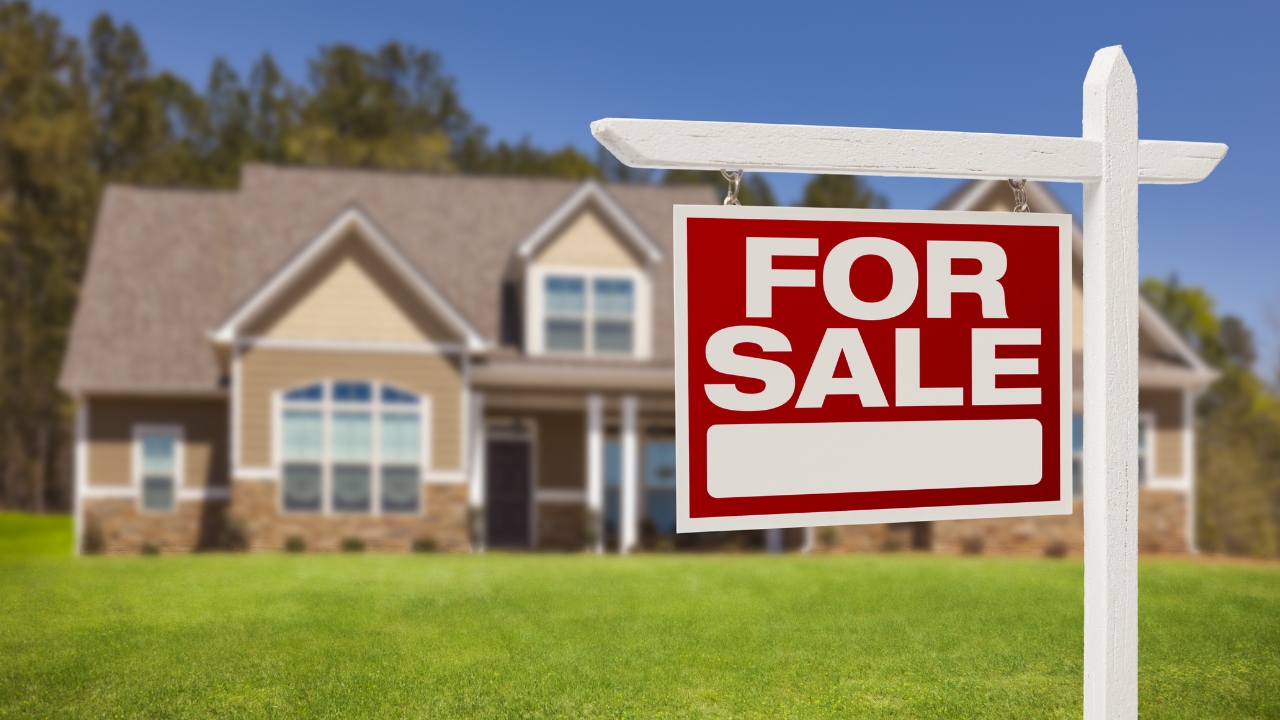
9 houses that sit way longer than the neighborhood average
Photo credit: Andy Dean Photography/Shutterstock.com
Every neighborhood has them: the listings that linger while everything else seems to move. When you understand why certain properties sit on the market far longer than the homes around them, you gain a real edge as a buyer or a seller. Instead of guessing, you can spot patterns, negotiate more confidently, and avoid becoming the next stale listing on the block.
In practice, there are about nine recurring types of homes that drag on the market well past the local average. Each one sends a different signal about pricing, condition, style, or strategy. Once you know how to read those signals, you can decide whether to walk away, lean into a discount, or fix the problem before you list.
1. The chronically overpriced holdout
The first and most common long-sitting home in any neighborhood is the one that starts too high and refuses to budge. You usually see it in the photos and remarks: a decent property with a price tag that simply does not line up with recent comparable sales. Multiple analyses point out that overpricing is the number one reason a listing lingers, because buyers compare it to nearby homes and quickly move on to better value. When a seller ignores what similar houses have actually sold for, the days on market, or DOM, climb while interest quietly evaporates.
As DOM rises, that inflated price becomes a liability instead of a negotiating tactic. Lowball offers start to appear, or no offers at all, because shoppers assume the owner is unrealistic or hiding a problem. Guidance on why some homes stay on the market for months stresses that overpricing is the driver of a bloated DOM, especially when the asking figure is based on emotion rather than real-time comparable sales. If you are selling, you protect yourself by anchoring your price to hard data and adjusting quickly if the market pushes back in the first two weeks.
2. The “perfect on paper” home with silent red flags
Another category that lingers is the property that looks ideal in the listing but hides issues that only show up in person or in the fine print. You might see polished photos, a generous square footage number, and a long feature list, yet the home keeps racking up days without a contract. Often the problems are subtle: a strong pet odor, a steep driveway, a train line at the back fence, or a floor plan that feels chopped up. Guidance on spotting red flags explains that a high DOM does not automatically mean something is wrong with the house, but it often signals that buyers are encountering surprises that do not show online and quietly moving on after showings.
As a buyer, you can use that pattern to your advantage. When you see a listing that has sat for months, you look beyond the photos and ask what repeated visitors are rejecting. Sometimes the answer is fixable, such as old carpet or bright purple walls, which you can address after closing in exchange for a lower price. In other cases, the issue is baked in, such as a busy road or a tiny backyard, and the extended DOM simply confirms that the market is resisting those trade-offs. If you are the seller in this situation, you need blunt feedback from agents and buyers so you can decide whether to correct the problem, reset expectations, or reposition the home to a different audience.
3. The emotionally priced “my home is special” listing
Closely related to the chronic overpricing problem is the house that is priced around the owner’s feelings rather than the market. This shows up when a seller insists that their upgrades, memories, or sweat equity justify a premium that nearby buyers do not share. Analysis of the top five reasons homes stay on the market too long notes that The Top factor is an asking price that sits above what local shoppers are willing to pay. That gap can be especially wide when owners have an emotional attachment or believe their property is immune to neighborhood norms.
From your perspective as a buyer, these listings often become negotiation opportunities once reality sets in. The longer the home sits, the more carrying costs add up, and the more likely the seller is to accept a fair offer that lines up with objective data instead of sentiment. As the seller, you avoid becoming this case study by treating your home like an asset rather than a scrapbook, leaning on an agent’s pricing models and on recent closed sales instead of gut instinct. When you respect the neighborhood’s ceiling, you give your property a chance to sell quickly instead of aging into a cautionary tale.
4. The style mismatch in a changing market
Some homes sit far longer than their neighbors simply because their architecture or layout does not match what current buyers want. Research on which house types sell fastest points out that Contemporary and transitional designs often outperform highly stylized options such as Mediterranean or Tudor when buyers favor clean lines and flexible spaces. If your neighborhood is full of updated ranches and modern farmhouses, the one ornate, dark, heavily themed home can feel out of sync, even if it is larger or more expensive to build.
Style also intersects with layout and daily function. A property with many small, closed-off rooms, no home office space, or awkward bedroom placement may sit longer than a slightly smaller home with an open kitchen and a practical flow. Data on profitability by style shows, for example, that Bungalows last an average of 47.81 days on the market, in part because Their practical design and affordability align with what many buyers want. When your home’s style fights current preferences, you either adjust the price, invest in strategic updates, or accept a longer marketing window as the trade-off.
5. The cosmetically neglected but structurally sound house
Another long-sitting category is the home that appears tired rather than broken. Think of listings with overgrown yards, peeling exterior paint, dated wallpaper, or worn carpet. Advice on why some homes sell faster than others emphasizes that buyers make decisions within seconds, and that Focus on the First Impression can determine whether they feel excited or turned off. Since buyers decide within seconds whether a property feels right, a messy yard or a house that obviously needs paint can push them toward the freshly presented listing down the street.
If you are willing to see past cosmetics, these homes can be smart buys. You look closely at the roof, foundation, mechanical systems, and inspection reports to confirm that the bones are solid, then you mentally price out the cosmetic work. Owners who have not kept up with basic maintenance often face a smaller buyer pool, and guidance on top reasons homes sit too long notes that Maintenance and upkeep issues can drag down interest even when the structure is sound. As a seller, you rarely get a second chance at a first impression, so investing in curb appeal and simple updates before listing is usually cheaper than months of price cuts.
Like Fix It Homestead’s content? Be sure to follow us.
Here’s more from us:
- I made Joanna Gaines’s Friendsgiving casserole and here is what I would keep
- Pump Shotguns That Jam the Moment You Actually Need Them
- The First 5 Things Guests Notice About Your Living Room at Christmas
- What Caliber Works Best for Groundhogs, Armadillos, and Other Digging Pests?
- Rifles worth keeping by the back door on any rural property
*This article was developed with AI-powered tools and has been carefully reviewed by our editors.