10 houses that scream “we skipped maintenance”
Photo credit: Michael Vi/Shutterstock.com
You recognize a neglected house the moment you see it. Small problems no one handled early have grown into loud, visual warnings that the owners skipped basic care, and those warnings quietly drag down value, safety, and everyday comfort.
To avoid owning one of those “we skipped maintenance” specials, you need to see your home the way a sharp buyer or inspector would. The following ten red flags show where a lack of planning and follow-through can turn an ordinary house into a cautionary tale.
1. Peeling paint and rotting trim
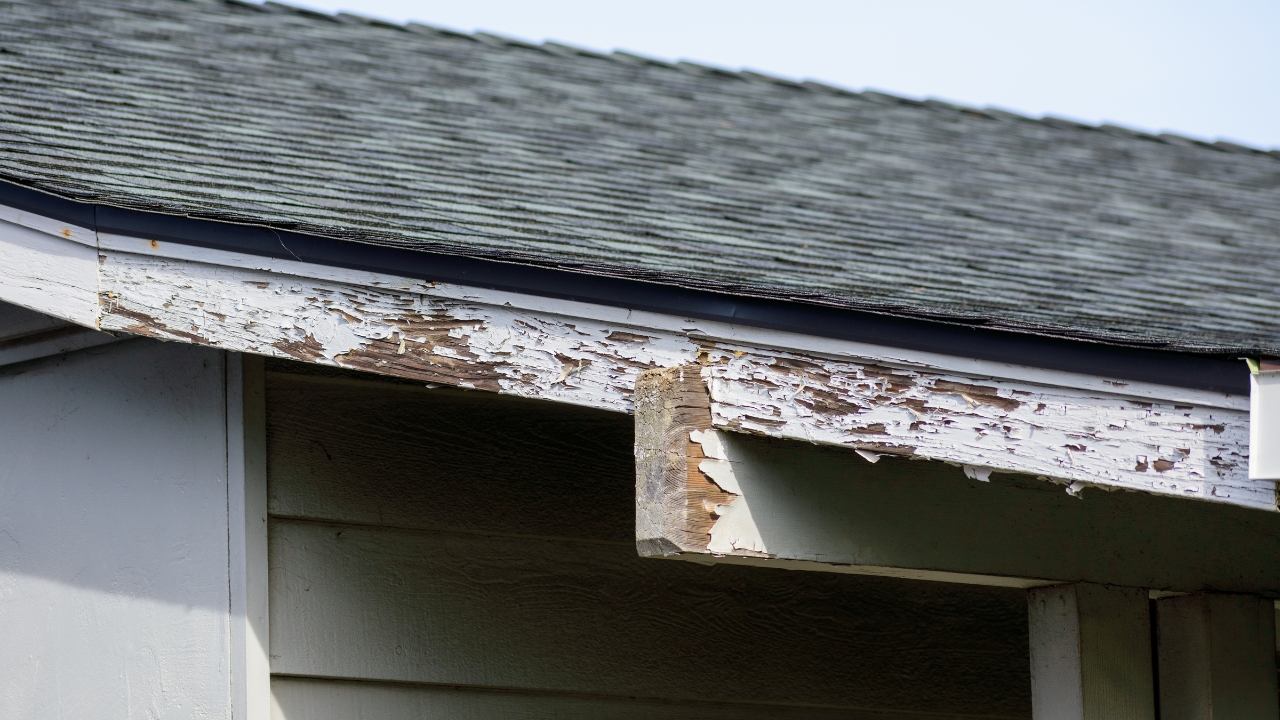
When exterior paint starts to peel, bubble, or fade to bare wood, your house is telling you that water is winning. It may look cosmetic, but exposed trim lets moisture soak into fascia boards, window sills, and door frames, which then rot from the inside out. Once rot takes hold, you are no longer dealing with a weekend paint job; you are looking at carpentry repairs, possible insect damage, and higher heating and cooling bills as gaps open up around the shell of your home.
You avoid this spiral by treating paint as a protective system, not just color. That means washing siding, scraping loose spots, priming bare wood, and repainting before the surface fails across whole walls. People who understand how life works plan ahead for this kind of recurring work instead of waiting until everything looks terrible at once. As one reflection on everyday discipline puts it, Some people enjoy better outcomes not because they pray or do not pray, but because they plan and learn, and your exterior paint schedule belongs in that same practical mindset.
2. Sagging gutters and stained siding
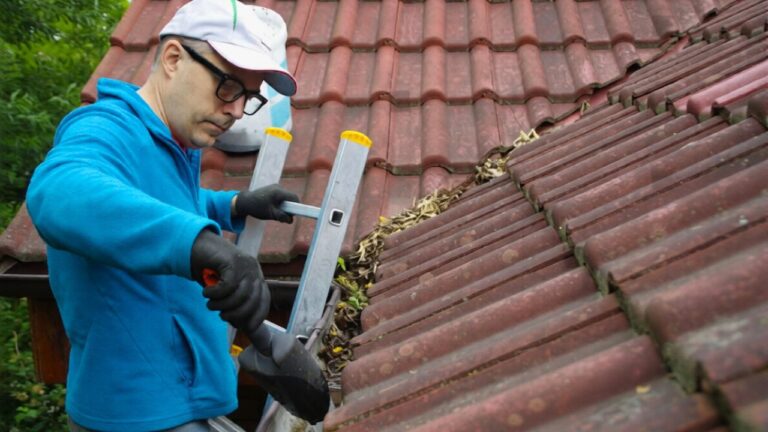
Gutters that sag, pull away from the fascia, or overflow in every storm send a clear message that no one has cleaned or re-secured them in years. Water that should be carried safely away instead cascades down the siding, leaving long brown streaks and feeding mold on the walls. Over time, that runoff erodes soil around the foundation, floods planting beds, and can even push water into basements and crawl spaces where it quietly attacks concrete and framing.
Protect yourself by treating gutters like safety equipment, not an afterthought. Start with cleaning them at least twice a year, re-hanging loose sections, and extending downspouts far enough that water discharges well away from the house. The same practical logic that tells you to tie down something valuable before a storm applies here too. A simple proverb says that those who carefully tie their camels, even without prayers, will have far greater success than people who do it carelessly, and that image of careful preparation fits perfectly when you choose to maintain your gutters instead of hoping water will somehow behave on its own. You can see that approach to disciplined action in comments from Jan, who uses the camel example to describe how preparation protects you from suffering you could have avoided.
3. Cracked driveways and sinking steps
When your driveway looks like a road after a hard winter and your front steps have settled so far that they tilt away from the house, you are looking at more than ugly concrete. Cracks wide enough to fit a key let water in, which then freezes, expands, and breaks the slab further. Sinking steps and walkways create trip hazards that expose you to liability if someone gets hurt, and they can point to drainage problems or soil movement that might eventually affect your foundation too.
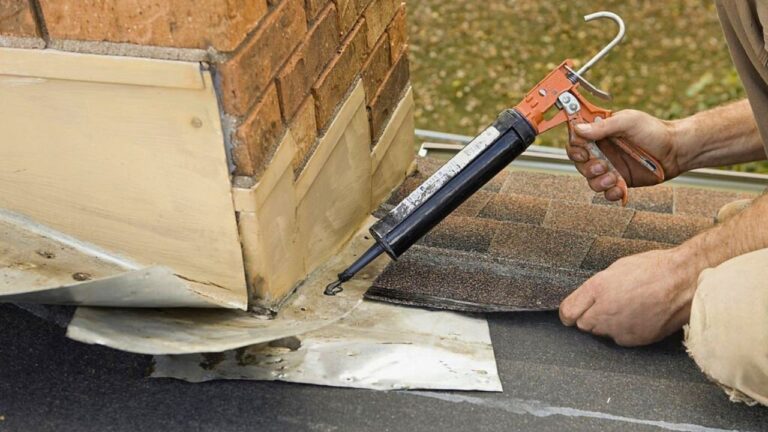
You reduce those risks by treating every crack and trip edge as a small project worth handling now. That might mean sealing narrow cracks with a concrete caulk, mud-jacking a settled slab instead of waiting until it fails completely, or adding drainage so water no longer pools next to the porch. When you plan for this kind of work in your annual budget, you send the opposite message of a neglected house: you show that you care about both safety and structure, and you keep minor defects from becoming the kind of expensive repair that scares off buyers.
4. Roof stains, missing shingles, and interior leaks
A roof with dark streaks, curling shingles, or obvious bald spots is not just aging; it is advertising that you have ignored early warning signs. When shingles go missing or lose their protective granules, the underlayment is exposed to sun and water, which shortens the life of the entire system. Inside, that can show up as brown rings on ceilings, bubbling paint on upper walls, or a musty smell in attic insulation, all of which tell buyers that water has already made it past your first line of defense.
You keep your house out of that category by inspecting the roof from the ground after major storms, clearing debris from valleys, and calling a roofer when you see damage instead of waiting for a leak. Even if you are not ready for a full replacement, targeted repairs and proper ventilation can stretch the life of what you have. Ignore those tasks, and you do not just risk structural damage; you also invite mold, ruined insulation, and insurance headaches that can linger for years.
5. Overgrown yards and dead landscaping
A lawn full of knee-high weeds, shrubs swallowing the windows, and dead trees leaning toward the house make any property look abandoned, even if you sleep there every night. Overgrowth traps moisture against siding, hides pests, and blocks airflow that your home needs to dry out after rain. Dead or diseased trees can drop large limbs without warning, which threatens your roof, cars, and power lines, and can cost far more to remove in an emergency than in a planned visit from an arborist.
You send a different message when you keep the yard trimmed, beds mulched, and trees inspected on a schedule. That does not require a designer landscape, just consistent mowing, pruning branches away from the roof, and removing what is clearly dead. Handle those basics, and you frame your house with signs of care instead of neglect, while protecting the structure from damage that starts in the yard and ends in your wallet.
Like Fix It Homestead’s content? Be sure to follow us.
Here’s more from us:
- I made Joanna Gaines’s Friendsgiving casserole and here is what I would keep
- Pump Shotguns That Jam the Moment You Actually Need Them
- The First 5 Things Guests Notice About Your Living Room at Christmas
- What Caliber Works Best for Groundhogs, Armadillos, and Other Digging Pests?
- Rifles worth keeping by the back door on any rural property
*This article was developed with AI-powered tools and has been carefully reviewed by our editors.