You’re doing “spring cleanup” in a way that hurts next year’s lawn
Photo credit: Maksym Belchenko/istock.com
Spring cleanup feels productive, but some of your neatest habits quietly sabotage next year’s lawn. When you rake too early, scalp the grass, strip away every leaf, or drench the yard in fertilizer, you set up a cycle of weak roots, bare patches, and weeds that are harder and more expensive to fix later. A smarter approach keeps your lawn tidy without erasing the natural protection it needs to come back thicker each year.
By rethinking when you start, how aggressively you clean, and what you do in those first warm weeks, you give your grass a head start that lasts all season. That shift is the difference between chasing problems every weekend and watching a resilient lawn handle heat, foot traffic, and weeds with far less effort from you.
Starting cleanup before your lawn is ready
The first warm day tempts you to haul out the rake, leaf blower, and mower, but your soil and grass usually lag behind the weather. When the ground is still soft and saturated, heavy raking and foot traffic compact the soil and tear at tender crowns, which are the growth points at the base of each grass plant. That damage shows up months later as thin, pale patches that never quite catch up, even if you water and fertilize. Lawn pros warn that early disruption of wet soil can pull up living grass along with debris, especially when you drag a metal rake through turf that has not fully woken up from winter dormancy.
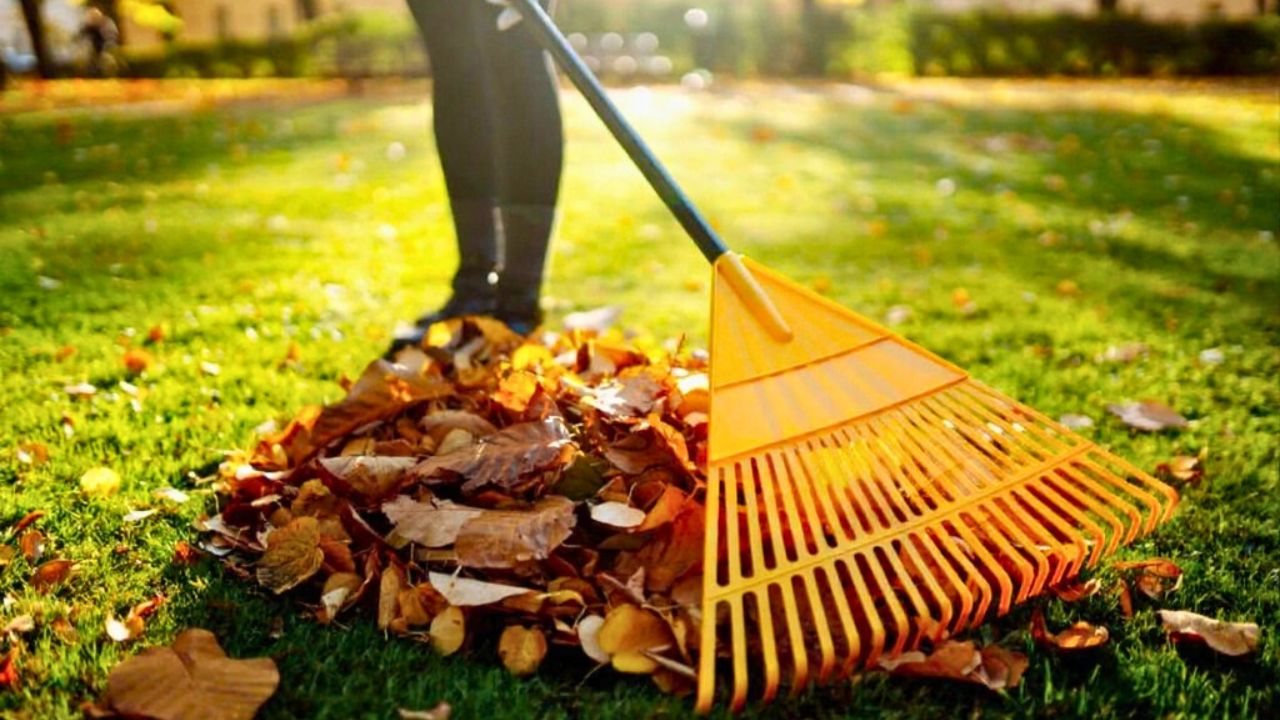
A better cue is temperature, not your calendar. Guidance from spring yard checklists suggests waiting until daytime highs consistently reach at least 50 degrees F for several days so the soil firms up and the grass resumes active growth. At that point, you can gently rake to lift matted blades and remove branches without gouging the turf. Starting earlier risks compacting the surface, which squeezes out air and water channels and leaves roots struggling for oxygen all year.
Over-cleaning that strips away protection and habitat
Your instinct might be to treat every stray leaf or stalk as an enemy of curb appeal, but a completely bare lawn and garden bed can be a hostile place for both grass and beneficial wildlife. Winter debris such as leaves, small twigs, and old stems acts as a light mulch that buffers temperature swings, slows evaporation, and shields crowns from late frosts. When you remove every scrap, you expose the soil to harsh sun and wind just as roots are trying to rebuild. Landscape specialists caution that skipping all cleanup is risky too, because thick layers of wet debris can smother turf, yet they also stress that a measured approach protects lawn growth better than a zero-tolerance sweep of organic matter.
That balance matters beyond the grass blades. Many pollinators and other helpful insects, described in some guidance simply as Many poll species, spend winter tucked into leaf litter and hollow stems. If you rush in and shred every pile as soon as the snow melts, you eliminate the very allies that help control pests later in the season. In garden beds, cutting all perennials to the ground too early removes seed heads that feed birds and can damage new shoots that are just below the surface, as tools makers note when they warn that aggressive fall cutting of plants like black-eyed susan and coneflower can harm spring growth in their guidance on seasonal garden cleanup. For your lawn, the takeaway is simple: clear what is smothering or diseased, but leave a thin, broken-up layer of organic material where it can protect and enrich the soil.
Raking, mowing, and foot traffic that wound the turf
Once you do start, the tools you use and how you move across the yard can either refresh the lawn or injure it. Heavy raking that digs into the soil can shear off new shoots and rip up shallow roots, especially in early spring when the ground is still soft. Lawn care guides list “Mistake #1: Raking the soil too early” as a key problem, explaining that aggressive passes with a metal rake across wet turf can create bare spots that later invite weeds. You get a similar effect when you drag heavy equipment or repeatedly walk the same path while the lawn is saturated, because that pressure compacts the soil and crushes emerging growth.
Mowing is another place where your cleanup routine can quietly sabotage next year’s grass. Several experts single out Mowing Too Short as a classic spring mistake. When you scalp the lawn to save time between cuts, you remove most of the leaf surface that drives photosynthesis, which forces the plant to spend its limited energy regrowing blades instead of deepening roots. One advisory on mowing frequency warns you not to force the grass to grow slower by hacking it down as low as possible, because in the spring this strategy backfires and can slowly kill the lawn. A safer rule of thumb is to cut only the top third of the blade in any one session and to raise the deck in early spring so the grass keeps enough leaf area to fuel strong root systems.
Feeding and weed control that backfire next season
Fertilizer and weed control can either help your lawn recover from winter or set up a season of stress. When you scatter whatever product is on sale without checking the label, you risk Using the Wrong or “Overusing It,” which can burn grass blades and roots. One advisory notes that applying too much fertilizer or the wrong type for your grass and soil can leave you with a flush of weak, fast growth that is more susceptible to disease and drought. Slow-release products tailored to your region deliver nutrients over time, which supports steady development instead of a quick surge that fizzles as summer heat arrives.
Weed control timing is just as easy to mishandle. Many homeowners spread pre-emergent herbicides too late, after crabgrass and other annual weeds have already germinated, or they apply broadleaf killers across the entire yard when only a few patches need treatment. Guidance on Common Lawn Care explains that mis-timed products can miss their target, leaving you with both chemical exposure and little benefit. Over time, that pattern can weaken desirable turf and open space for more aggressive weeds to move in. You also lose the chance to use lighter-touch strategies, such as spot-treating individual dandelions or improving mowing height to shade out competitors.
Ignoring debris and compaction that quietly suffocate roots
On the other end of the spectrum from over-cleaning, skipping cleanup altogether can be just as damaging. When winter leaves behind thick mats of wet leaves, fallen branches, and thatch, your grass struggles to break through in spring. Specialists in spring lawn care warn that letting heavy debris sit traps moisture against the soil surface, which encourages fungal diseases and suffocates the crowns of turfgrass. That smothering effect can kill patches outright, leaving bare soil where weeds quickly take hold. By the time you notice the damage, you are often looking at reseeding or even re-sodding, which costs far more than a measured cleanup would have.
Compaction is another slow problem that often starts with how you treat your yard in early spring. When you store heavy items on the lawn, drive across it, or allow constant foot traffic while the ground is still thawing, you squeeze the air pockets that roots need to breathe. Over several seasons, that pressure can lead to thin, patchy areas and poor drainage. One breakdown of the Consequences of Poor notes that compaction and neglect can trigger a chain reaction of weed invasion, pest problems, and declining plant life down the road. Light, targeted spring cleanup that removes smothering debris while protecting soil structure gives your lawn a better chance to develop deep, resilient roots that can handle summer stress.
Like Fix It Homestead’s content? Be sure to follow us.
Here’s more from us:
- I made Joanna Gaines’s Friendsgiving casserole and here is what I would keep
- Pump Shotguns That Jam the Moment You Actually Need Them
- The First 5 Things Guests Notice About Your Living Room at Christmas
- What Caliber Works Best for Groundhogs, Armadillos, and Other Digging Pests?
- Rifles worth keeping by the back door on any rural property
*This article was developed with AI-powered tools and has been carefully reviewed by our editors.