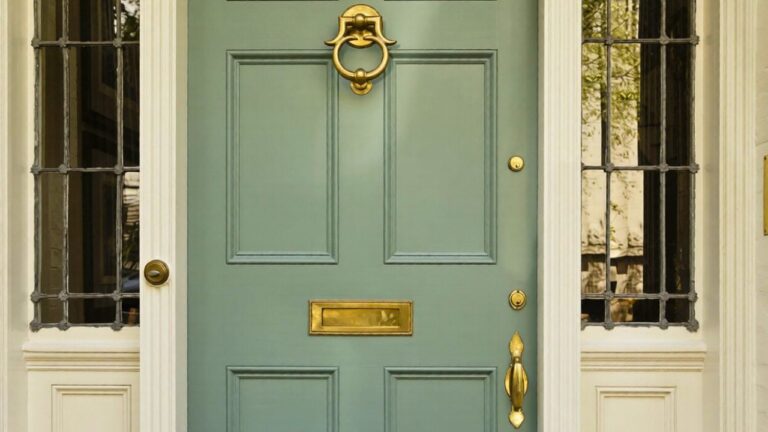
The HGTV makeover detail buyers notice first has nothing to do with paint color
Photo credit: Hispanolistic/istock.com
When you binge HGTV makeovers, you probably fixate on paint colors, backsplash tile, and the latest cabinet trend. Buyers do not. The first thing they register is how a space feels the instant they arrive, and that reaction has more to do with order, light, and maintenance than any designer shade of white.
If you want your place to compete with the camera-ready homes you see on screen, you need to think like a buyer walking in for the first time, not like a homeowner who already knows every corner. That shift means prioritizing the subtle details that shape first impressions long before anyone notices your accent wall.
The real first impression: atmosphere, not accent walls
Buyers start forming an opinion in seconds, before they have processed square footage, layout diagrams, or the name of your paint color. Agents who walk buyers through showings describe those first moments as a quick read on atmosphere: is the space calm or chaotic, bright or gloomy, fresh or stale. One report on what buyers notice as they step through the door explains that people respond to the overall mood before they analyze features, which means your styling choices only work if the underlying feel already invites them in.
That same guidance stresses that buyers react to the emotional tone of a home, so you benefit more from a quiet, ordered entry than from a trendy color that clashes with clutter. When you hear professionals say that first impressions happen in seconds, you can translate that into a practical rule: if a stranger cannot step inside and instantly relax their shoulders, you have work to do before you reach for a paint roller.
Cleanliness: the HGTV detail you underestimate
On television, crews rush to reveal days of demolition and design in a single cut, so you rarely see the hours spent scrubbing baseboards or polishing hardware. In real life, your buyer notices that effort before they clock your new faucet. A guide to what visitors see the moment they walk in lists Cleanliness as a primary factor in the first visual impact, right alongside layout and lighting. That means dust on the console table, fingerprints on the door, or a stray cobweb in the foyer can undercut thousands of dollars in cosmetic upgrades.
Think about how you feel when you walk into a spotless hotel lobby: you instinctively trust that the rooms will be well kept. Buyers apply the same logic to your entryway. If the floors shine and the air smells neutral, they assume you have maintained the unseen systems just as carefully. If the threshold is grimy, they start to wonder what else you have ignored. You do not need designer finishes to win that judgment. You need a deep clean that reaches vents, door frames, light switches, and the corners that cameras and guests rarely see.
Entryway choreography: how you script the first five steps
HGTV stylists treat the first view from the front door as a money shot, and you should think about your entry in the same cinematic way. The initial five steps create a frame that either pulls the eye toward your best feature or scatters attention across shoes, mail, and random furniture. Real estate guidance on the entryway and first notes that buyers quickly read this zone as a preview of how the rest of the home will feel, which turns your foyer into a high-stakes stage rather than a catchall drop zone.
You can choreograph that moment by asking yourself what a stranger sees first: a clean line of sight to a window, a styled console, or a tangle of coats and keys. A slim bench, a single piece of art, and concealed storage for everyday clutter do more to impress a buyer than an elaborate gallery wall in the hallway beyond. When your entry feels calm and intentional, visitors subconsciously expect the rest of the house to match that standard, and they often forgive small flaws deeper inside because their first impression was positive.
Curb appeal: the driveway, fence, and steps that set the tone
Before anyone steps into your carefully styled entry, they have already judged the exterior. HGTV advice on curb appeal points out that matter how beautiful, a cracked or faded driveway is one of the first things people notice. That single detail suggests heavy wear, deferred maintenance, and future expense, even if the interior looks like a fresh reveal. You see the same effect with peeling trim, dented garage doors, and sagging gutters, which all hint at bigger problems behind the scenes.
The same guidance singles out a Run-Down Fence as another curb appeal mistake that drags down perceived value. When a wood fence looks gray, warped, or broken, buyers read it as a project they will have to tackle immediately, not a charming rustic feature. You get more leverage from repairing boards, repainting railings, and trimming back overgrown plants than from an elaborate front door color. By the time a buyer reaches your welcome mat, they have already decided whether your property feels cared for or neglected, and that decision shapes how generously they view everything that follows.
Lighting and layout: what buyers actually scan first inside
Once buyers cross the threshold, their focus shifts quickly to light and flow. Professionals who walk clients through showings describe how people immediately evaluate whether the space feels bright, open, and easy to navigate. The same source that highlights atmosphere in the first seconds explains that visitors often look past decor to gauge how the layout works for everyday life. They notice blocked sight lines, dark corners, and awkward furniture arrangements long before they notice the specific shade on your walls.
You can use that instinct to your advantage by clearing pathways, pulling furniture away from windows, and letting natural light take center stage. Simple moves such as swapping heavy curtains for sheers, adding a floor lamp to a dim corner, or removing a bulky chair can transform how a room feels without touching a paintbrush. When buyers can walk through without bumping into anything and see daylight from multiple angles, they often describe the home as bigger and more welcoming, even if the square footage is modest.
Sound, scent, and subtle signals buyers read instantly
HGTV reveals rarely talk about smell or sound, yet your senses process those cues before your eyes finish scanning the room. Advice on making your property more welcoming to visitors stresses that even small sensory details carry weight, and it singles out fragrance as a common misstep. Guidance on how to Make Your Home to House Hunters recommends avoiding heavy perfumes or strong cooking smells that might make buyers suspect you are hiding something.
Sound works the same way. A quiet hum from a well-maintained HVAC system feels reassuring, while rattling vents or loud fans raise questions about age and upkeep. Street noise that blasts through thin windows can also shift attention away from your finishes. You can soften those distractions with rugs, curtains, and weatherstripping, then keep background noise low and neutral. When buyers step in and register clean air, soft acoustics, and a comfortable temperature, they feel at ease before they have taken a full tour.
What HGTV makeovers get right about flow, and wrong about priorities
HGTV projects often start with a tired property and end with a photogenic showpiece, but if you look closely, the most effective transformations focus on how you move through the home. In one renovation of a tired rental, the team worked on teresa and Ted‘s house in the Silver Lake area of Everett, a community with great schools and a lot of commuters who work nearby. The designers did not just repaint walls, they rethought circulation so the first steps inside felt open and connected to the rest of the space, which made the home more appealing to buyers who valued both style and daily convenience.
Where television can mislead you is in the emphasis on big, visible changes at the expense of quiet maintenance. The cameras highlight new tile and dramatic color palettes, but they rarely linger on the repaired fence, resurfaced driveway, or hours of cleaning that make those upgrades shine. If you copy only the flashy parts of a reveal without addressing the basics, your home can feel like a set rather than a solid investment. Buyers, especially those who have studied listings through tools like the HAR app or similar platforms, are increasingly savvy about spotting that difference.
How real buyers describe their first reactions
When you listen to buyers themselves, their priorities sound far more practical than the typical design segment. A discussion among Canadian house hunters highlights how people often react to simple things first, such as whether the entry is tidy, the floors feel solid, and the kitchen looks clean. One commenter explains that they see a lot of sellers stress about renovations before listing, but in practice buyers usually respond to smaller details that make the space feel cared for, which matches what many agents report about showings.
Another recurring theme in those conversations is that clutter and grime register as red flags even in otherwise updated homes. A buyer might overlook an older countertop if the cabinets are spotless and organized, yet feel uneasy in a recently renovated kitchen that still has sticky handles and overflowing drawers. When you align your prep work with those real-world reactions, you stop chasing every HGTV trend and start investing in the specific changes that make strangers feel comfortable as soon as they cross your threshold.
Turning HGTV inspiration into a buyer-ready home
You do not need a production budget to borrow the smartest parts of HGTV makeovers. Start by walking up to your own front door as if you were seeing it for the first time, then fix whatever pulls your eye for the wrong reason: a stained driveway, a Run-Down Fence, or front steps that do not feel welcoming. Once you step inside, focus on cleanliness, lighting, and a clear view into the main living area. Those are the details that shape your buyer’s first impression, long before they notice your paint color.
From there, you can layer in the design touches you love, as long as they support the calm, ordered atmosphere buyers respond to in the first few seconds. A simple console table in the entry, a neutral rug that defines the living room, or a few plants near a sunny window can echo the styling you admire on screen without overwhelming the space. When you pair that restraint with solid maintenance and a truly clean interior, you give buyers the feeling that matters most: confidence that your home will be as easy to live in as it is to look at.
Like Fix It Homestead’s content? Be sure to follow us.
Here’s more from us:
- I made Joanna Gaines’s Friendsgiving casserole and here is what I would keep
- Pump Shotguns That Jam the Moment You Actually Need Them
- The First 5 Things Guests Notice About Your Living Room at Christmas
- What Caliber Works Best for Groundhogs, Armadillos, and Other Digging Pests?
- Rifles worth keeping by the back door on any rural property
*This article was developed with AI-powered tools and has been carefully reviewed by our editors.