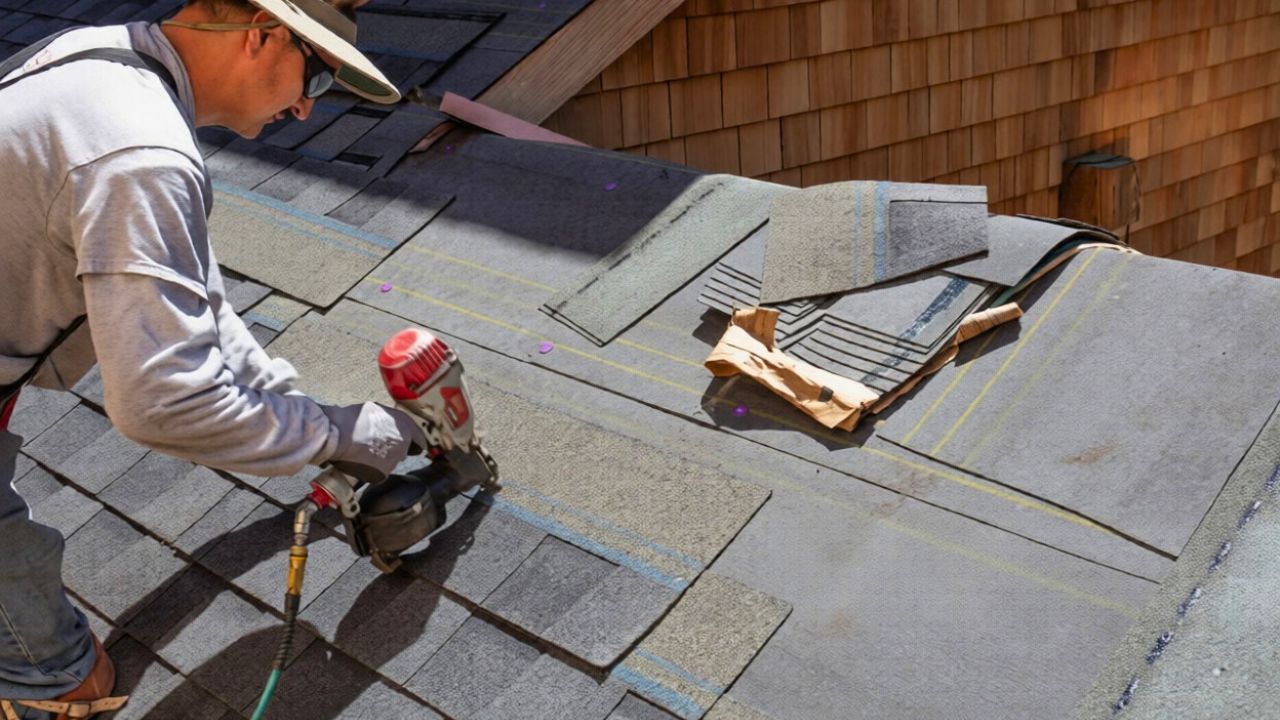
Why more homeowners are fixing instead of remodeling in 2026
Photo credit: Bill Oxford/istock.com
Across the country, you are more likely to see neighbors patching roofs, refreshing kitchens, and reworking floor plans than listing their homes. Instead of chasing a bigger place, you are increasingly trying to make your current square footage work harder. That shift from gut remodels and moves to targeted fixes is reshaping how you plan, pay for, and live in your home projects in 2026.
You are navigating high prices, stubborn borrowing costs, and a housing market that often feels out of reach. In that environment, repairing what you already own and upgrading it for comfort, value, and resilience can feel less like a compromise and more like a strategy.
Why staying put suddenly makes more financial sense
You are facing a basic math problem: selling and buying again often costs more than improving what you have. Home prices climbed faster than incomes in many markets, and mortgage costs rose enough that trading up can mean a higher payment for only a modest upgrade. In that context, you may decide that a new roof, a better layout, or updated systems look smarter than taking on a larger loan and higher property taxes.
That calculation shows up in national remodeling data. Analysts who track renovation and construction expect homeowners to keep investing in existing properties even as new homebuilding stays constrained, and they describe how high borrowing costs keep you from moving and push you toward projects at home that add comfort and long-term value, a trend outlined in recent homebuilding forecasts.
How high rates and low inventory trap you in place
You are not just choosing to stay because you love your neighborhood. You are also boxed in by mortgage math and a thin supply of listings. Many owners locked in cheaper loans earlier, and the idea of giving up that rate for a new mortgage at current levels can feel punishing. At the same time, there are fewer attractive homes to buy, which means you might sell quickly but struggle to find a suitable replacement.
Research into remodeling markets describes how rising mortgage rates averaging 6.3% and home equity loan rates around 7.7% make you think twice about moving, even as you still want change. Analysts summarize these pressures as high costs impacting, which helps explain why you are more willing to live through construction dust than start over in a new ZIP code.
Millennials, Angi data, and the “renovate, do not relocate” mindset
If you are a millennial homeowner, you are right at the center of this shift. Many in your age group bought smaller starter homes or inherited older properties that need work, but then ran into a market where move-up homes are scarce and expensive. Instead of waiting indefinitely, you are turning to contractors, designers, and your own sweat equity to reshape what you already own.
Reporting on Angi’s 2025 State of Home Spending Pulse Report highlights how younger owners are leaning into this approach, with coverage that frames the change under the heading “Why Homeowners Are Choosing Renovation Over Relocation” and describes affordability as the underlying issue. When you read that millennials are renovating, you are seeing your own tradeoffs reflected: you accept the limits of the current market and focus on making your existing home feel like the one you hoped to buy.
From big remodels to targeted fixes and functional upgrades
You might assume that staying put means launching a full-scale remodel, but the current pattern looks more surgical. Instead of tearing everything out, you are prioritizing fixes that solve daily frustrations: replacing failing HVAC systems, opening a cramped kitchen to the living room, or converting a spare bedroom into a hybrid office and guest space. These projects cost less than rebuilding from scratch yet still transform how you use your home.
Industry analysts describe how the total value of renovation work remains high even as growth slows, with some markets seeing a cooling trend while others still experience strong demand for improvements that enhance livability. One review of national data explains that remodeling growth is expected to ease, but that certain cities with strong job markets and limited inventory are still projected to see remodeling spending rise, especially where buyers often choose to fix up older homes rather than move again, a pattern outlined in a recent look at remodeling growth.
Why project scope got bigger in 2025 and what that means for you
If you started a “small” project in 2025 and watched it snowball, you are not alone. Many homeowners began with modest goals, such as replacing flooring or updating a bathroom, then expanded into larger, more complex work once walls were open and crews were on site. That approach reflects a mindset that if you are already living through disruption, you might as well tackle multiple issues at once.
Analysts who reviewed last year’s data describe this in a section titled “By the Numbers: Rising Project Scope and Costs in 2025,” and they emphasize that the bigger driver of higher spending was scope rather than just inflation. They also point to a trend where value and function will continue to guide your plans, from better lighting and storage to accessibility features like wider doorways and step-free showers, as summarized in a detailed review of 2026 home renovation.
DIY confidence, rising budgets, and what you are willing to tackle yourself
You are also changing how you approach the work itself. Instead of outsourcing every task, you may be more comfortable handling demolition, painting, or even tiling with the help of YouTube tutorials and big-box store classes. That willingness to get hands-on can stretch your budget and make smaller, repair-oriented projects feel achievable, even as material prices rise.
Survey data shows that over two thirds of homeowners have completed DIY renovation in the past five years, and nearly all said they would attempt another project under the right conditions. The same research found that many felt more satisfied with their homes after the work was completed, even if the process was stressful, a pattern highlighted in a report titled “Homeowners Plan to Spend More on Renovations in 2026, Despite Rising Costs,” which notes that two thirds of are already part of this DIY wave.
What the ROI numbers really say about fixing instead of remodeling
Even if you care most about comfort, you still pay attention to return on investment. You want to know whether repairing siding, updating windows, or modernizing a bathroom will pay you back when you eventually sell. That is where national renovation spending forecasts and ROI studies become part of your decision, not as rigid rules but as guardrails.
Researchers at Harvard have projected that the total amount of money spent on home renovations in the United States could reach a record high of $524 billion, and they point out that some projects reliably add more value than they cost while others are more about lifestyle than resale. Guidance for homeowners stresses that you should weigh both the financial and personal return when you choose between a cosmetic refresh and a deeper overhaul, advice detailed in a guide to understanding home renovation.
How brands, builders, and pros are adjusting to your new priorities
Your preference for fixing what you have instead of starting over is also reshaping the businesses that serve you. Contractors who once focused on large additions are now packaging smaller repair and upgrade bundles, such as “healthy home” checkups that combine roof inspections, insulation top-ups, and HVAC tune-ups. Product manufacturers are marketing systems that can be installed in phases so you can spread costs over time rather than commit to a full remodel at once.
Marketing and construction experts describe this pivot as a response to homeowners who are staying put longer, investing more in quality materials, and expecting clear guidance on energy efficiency and durability. They argue that brands which emphasize trust, transparency, and professional endorsement will stand out with owners like you who are cautious but still ready to spend, a theme explored in recent renovation forecasts that highlight how your priorities are reshaping demand.
How to decide what to fix first in your own home
All of these trends eventually land in one place: your to-do list. When you look around your home, you probably see a mix of urgent repairs, annoying quirks, and aspirational upgrades. The challenge is deciding what comes first. A practical way to start is by ranking projects by risk, comfort, and future value: roof leaks, structural issues, and outdated electrical systems usually move to the top, followed by changes that improve how you live day to day.
Analysts who track renovation behavior suggest that you focus on value and function before pure aesthetics, a pattern echoed in reviews of rising project scope that describe homeowners prioritizing better layouts, safer access, and improved lighting. If you adopt the same mindset, you are not just fixing your home for the next buyer. You are tailoring it to fit the way you live now, in a market where staying put and investing wisely often feels like the most powerful move you can make.
Like Fix It Homestead’s content? Be sure to follow us.
Here’s more from us:
- I made Joanna Gaines’s Friendsgiving casserole and here is what I would keep
- Pump Shotguns That Jam the Moment You Actually Need Them
- The First 5 Things Guests Notice About Your Living Room at Christmas
- What Caliber Works Best for Groundhogs, Armadillos, and Other Digging Pests?
- Rifles worth keeping by the back door on any rural property
*This article was developed with AI-powered tools and has been carefully reviewed by our editors.