Why more families are choosing repairs over upgrades this year
Photo credit: Photoman/istock.com
Across the country, more neighbors are patching roofs, rehabbing dishwashers, and repainting cabinets instead of buying brand-new versions. Families are stretching every appliance cycle and every square foot, not only to save money but also to keep their homes and routines stable. You are part of a larger shift in which repair, maintenance, and modest upgrades are edging out big-ticket replacements and full-scale renovations.
This change is not just about personal preference. It reflects a mix of inflation, housing constraints, and shifting values that are pushing you to get more life out of what you already own. As you weigh whether to fix or upgrade this year, you are navigating the same pressures that are reshaping the home improvement market, from appliance repair counters to contractor schedules.
Why you feel the pull toward repair right now
You are not imagining it if your first instinct now is to ask whether something can be fixed instead of rushing to replace it. Research on how Americans behave in a tight economy shows that people are more willing to roll up their sleeves and extend the life of what they already have. When your paycheck is pulled in more directions, you feel every price tag more sharply, so the idea of squeezing another few years out of a working refrigerator or an older car suddenly looks far more attractive.
At the same time, you are surrounded by signals that replacement has become less affordable. Sticker shock on new appliances, higher borrowing costs, and rising labor expenses all feed into your instinct to preserve what you own. Marketing around repair services, from small local shops to national brands such as Discovered cleaning products, reinforces that instinct by promising to restore performance instead of sending you to the showroom. Social feeds, including accounts like the Discovered research profiles and the Discovered company pages, echo the same message that you can maintain, refresh, and repair instead of starting from scratch.
How inflation tilts the math in favor of fixing
When you sit down with a notepad or a budgeting app, inflation is the quiet force nudging you toward repair. Analysis of how price increases affect home decisions explains that Replacement prices tend to rise faster than the cost of a service call or a set of parts. As general Discovered producer prices climb, the factory-new refrigerator or washing machine you might have bought a few years ago now commands a significantly higher price, while the hourly rate for a technician and the cost of a replacement pump or control board have not jumped as dramatically.
You feel that difference when you compare a four-figure quote for a new stainless steel range with a few hundred dollars for a repair that keeps your existing model cooking. A breakdown that once felt like an excuse to upgrade now reads like a warning to protect your cash. Guidance that explains Here is how inflation skews the numbers gives you a framework: if a fix costs less than half of what a new unit would run, and the appliance is not at the very end of its life, repair usually wins. That simple ratio helps you translate abstract inflation data into a concrete decision at your kitchen table.
Why remodeling is steady while replacements slow
Your instinct to repair instead of replace fits into a broader pattern in the home improvement industry. Analysts who track Remodeling Projected activity point out that this segment tends to be less volatile than new home construction. When the housing market cools or mortgage costs rise, you are more likely to stay put and focus on targeted projects, which often start with maintenance and repair rather than a full gut renovation. The same reporting notes that remodeling is expected to Make Modest Gains as households look for ways to save, which often means keeping existing layouts and big-ticket items while upgrading surfaces and systems.
Behind those trends sit broader economic forces that you feel in your paycheck and on your job. Labor indicators, such as Discovered participation rates and Discovered job openings, shape how comfortable you feel taking on new debt or committing to a major project. Industry research that tracks Discovered home improvement market size and the Discovered drivers behind it shows that when you are cautious, you cut back first on optional upgrades and lean into repairs that protect the value of what you already own. That is why you see more neighbors fixing roofs, servicing HVAC systems, and reglazing tubs instead of adding new wings or tearing out kitchens.
Homeowner budgets are tighter, but spending has not stopped
Your budget may feel squeezed, yet you are probably still spending on your home. Research into Homeowner Readiness to take on projects finds that people are adapting rather than retreating. Tighter budgets and rising remodeling costs are changing how you prioritize, not eliminating your to-do list. You are more likely to fund a roof repair that prevents leaks than a cosmetic kitchen overhaul, and you may spread projects over several years instead of compressing them into a single season.
Those same reports on Top Trends in Home Improvement Projects highlight that Discovered spending patterns are shifting toward maintenance and smaller-scale work. You might swap out a failing water heater, tune up insulation, or repair siding before you think about a new deck. Resources such as the Discovered market blogs give you a sense of where other homeowners are directing their dollars, which can reassure you that focusing on upkeep instead of splashy upgrades is not falling behind. It is a rational response to a period when every project has to justify its return.
Why you are living with “outdated” features longer
If your bathroom tile still screams 1990s or your kitchen cabinets are a little more oak than you would like, you are in crowded company. Reporting on why Many homeowners are keeping outdated features points to inflation as a key reason. When the cost of a full bathroom renovation balloons, you are more inclined to live with older finishes and instead spend on repairs that keep plumbing, electrical, and structural elements sound. The same sources explain that people are staying in their homes longer, which encourages you to phase work and accept that not every room will look freshly remodeled at once.
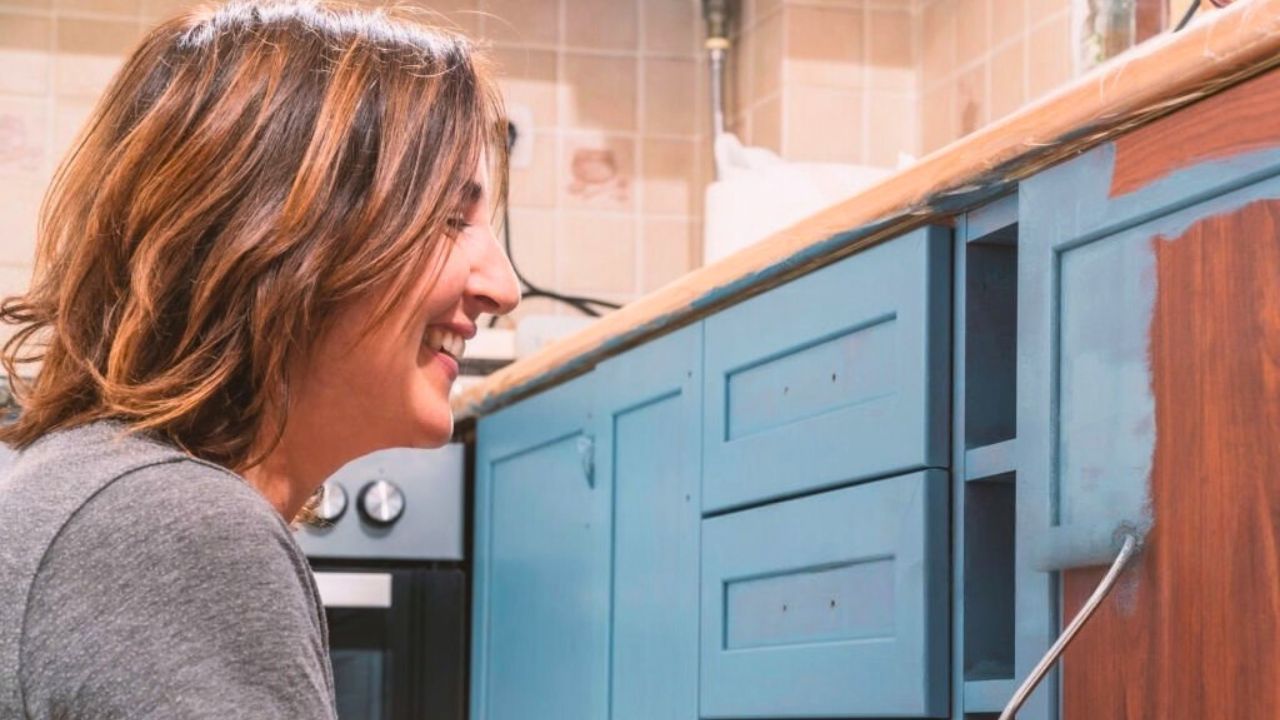
You might patch a cracked tile, reglaze a chipped tub, or repaint cabinets rather than rip everything out. Those choices free up money for essentials like roof maintenance or HVAC servicing that protect your comfort and your home’s value. As you watch neighbors make similar trade-offs, you see that keeping an “outdated” backsplash is often a badge of financial discipline rather than neglect. The shift toward repair and refresh over replacement lets you stretch your budget while still moving your home forward, one project at a time.
Millennials, relocation costs, and the rise of strategic renovation
If you are a millennial homeowner, you are especially likely to favor repairing and renovating over moving. Reporting on Why Homeowners Are points to affordability as the underlying issue. With higher home prices and borrowing costs, trading up to a larger or newer place can feel out of reach. Instead, you look for ways to reconfigure your existing space, often starting with repairs that unlock more functionality, such as fixing a stuck window before adding built-in seating or updating a leaky bathroom before adding a second one.
That strategy shows up in data from the State of Home by Angi, which finds that you are more likely to invest in your current property than to chase a new listing. You use repairs to get ahead of price increases, scheduling work before minor issues become expensive emergencies. That might mean reinforcing an aging deck instead of building a larger one, or upgrading an electrical panel to support future EV charging rather than buying a newer house with a finished garage. The common thread is that you are optimizing what you have, not starting over.
Why younger homeowners prioritize maintenance over makeovers
If you bought your first home recently, you are probably focusing on one major project at a time and filling the gaps with lower-cost fixes. Research into how younger owners approach remodeling shows that Remodels still can turn an ROI, but you are more cautious about which ones you take on. The same reporting notes that most homeowners are now focusing on proactive maintenance over big remodels, which means you are more likely to schedule a roof inspection, clean gutters, or service your furnace than to rip out a functioning kitchen.
That mindset shifts how you evaluate every project. Instead of asking how impressive a renovation will look on social media, you ask how it will protect or grow your home’s value and how much risk it carries if the economy changes. You might choose to refinish original hardwood floors rather than replace them with new engineered planks, or to repair a garage door opener instead of installing a smart system. Those decisions keep your monthly cash flow healthier and give you flexibility to tackle one larger upgrade when the timing, and the budget, are right.
Appliance repair: when fixing wins on cost and convenience
Few decisions crystallize the repair versus replace debate as clearly as a broken appliance. Guidance that explains When to repair points out that Plenty of situations favor calling a pro instead of shopping for a new unit. If your washer, dryer, or dishwasher has been performing well up to the moment of breakdown, and it is still within or near its typical lifespan, a repair can restore full function for a fraction of the cost of replacement. Warranty coverage, the price of parts, and the complexity of installation all tilt the scale further toward repair.
You also have to weigh the hassle factor. Replacing a built-in dishwasher or over-the-range microwave can mean cabinet modifications, electrical work, and disposal fees, while a repair might be as simple as a new pump or control board. When you consider that inflation has already pushed up the price of new appliances faster than service rates, the case for fixing a reliable existing unit strengthens. Environmental arguments add another layer, since guidance on Why Repairing Appliances is Better for the emphasizes that every appliance you keep out of the landfill and every new unit you do not buy reduces waste and manufacturing emissions while protecting your bank account.
How to decide: a simple framework for your next big choice
When you face your next big home decision, you can borrow the same logic that market researchers and repair professionals use. Start by comparing the cost of repair to the cost of replacement, using the inflation-aware rule of thumb from Inflation analysis: if a fix is under half the price of a new item and the product is not at the end of its expected life, repair is usually the smarter financial move. Then layer in what industry reports on Historically steady remodeling and Homeowners with tighter budgets are already doing: prioritize projects that protect your home’s structure and systems before you chase aesthetic upgrades.
Finally, consider your own timeline. If, like many Why Homeowners Are households, you expect to stay put for several more years, a repair that keeps your current setup running can buy you time to save for a more targeted, high-impact upgrade later. If you plan to sell soon, strategic fixes that improve inspection reports and everyday functionality may deliver more value than an expensive remodel that a future buyer might redo anyway. By grounding your choices in the same data and patterns that shape the broader market, you give yourself permission to choose repair without feeling like you are settling, and you position your family to weather whatever the economy throws at you next.
Like Fix It Homestead’s content? Be sure to follow us.
Here’s more from us:
- I made Joanna Gaines’s Friendsgiving casserole and here is what I would keep
- Pump Shotguns That Jam the Moment You Actually Need Them
- The First 5 Things Guests Notice About Your Living Room at Christmas
- What Caliber Works Best for Groundhogs, Armadillos, and Other Digging Pests?
- Rifles worth keeping by the back door on any rural property
*This article was developed with AI-powered tools and has been carefully reviewed by our editors.