Why basic home upkeep is getting more expensive
Photo credit: AndreyPopov/istock.com
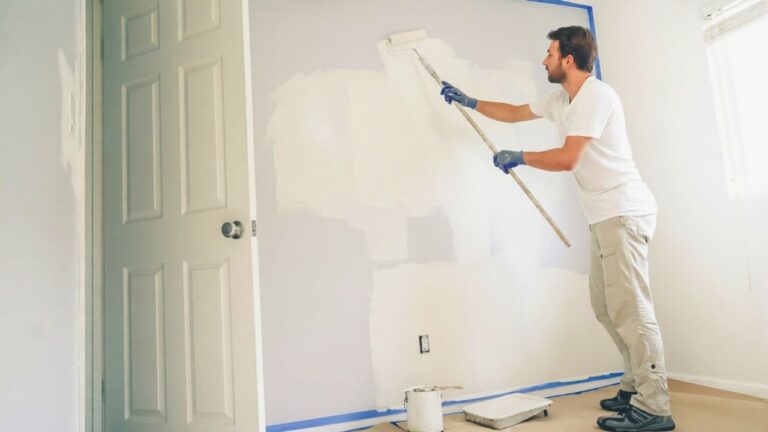
Basic home upkeep is quietly turning into a major line item in your budget, even if you are not renovating or adding anything new. You feel it every time a contractor sends an estimate or a service tech charges more for the same repair you handled a few years ago for far less. The core reality behind that sticker shock is simple: the cost of keeping your home in working order is rising faster than many household incomes.
Instead of one big cause, you are dealing with a stack of pressures that all push in the same direction, from pricier materials and labor to more complex appliances and harsher weather. Understanding where those pressures come from gives you better leverage, both to plan for the hit and to push back where you can through smarter maintenance and shopping choices.
The new baseline for “routine” costs
You are no longer imagining it when routine upkeep feels like a second mortgage. A common rule of thumb says you should budget about 1 percent of your home’s value each year for maintenance, so a 400,000 dollar house implies around 4,000 dollars just to keep things running. Some guidance goes further and suggests tying your budget to square footage, with annual upkeep often estimated between 1 and 4 dollars per square foot, which means a 2,000 square foot home can easily require a few thousand dollars a year in ordinary expenses before anything major breaks, according to average maintenance estimates.
Those broad rules are increasingly a floor rather than a ceiling. Once you add seasonal tasks like HVAC servicing, gutter cleaning, yard work, pest control, and minor plumbing or electrical fixes, you can quickly approach four figures in a single quarter. Some homeowners are now seeing total annual upkeep and repair costs climb toward five figures as prices for parts and labor rise faster than general inflation, which means your old mental benchmark for what “normal” looks like is out of date.
Why your repair bill jumped so much
If you compare invoices from a few years apart, you often see the same job description paired with a much higher total. Part of that jump comes from materials that became more expensive and harder to source after global supply chains were disrupted, then only partially recovered. Supply problems for items like lumber, roofing shingles, and HVAC components created a shortage of materials that is only now starting to ease, and those shortages pushed up what contractors pay for basic inputs, which in turn raised what you pay on your most expensive home.
You are also paying for stronger demand. Since the pandemic, more people have focused on home projects and repairs, so contractors can fill their schedules and pick higher margin jobs. One analysis notes that “Since the” pandemic, homeowners have shifted spending toward maintenance and improvement, and Hicks, who tracks this trend, describes affordability as the top concern among owners facing higher upkeep bills. At the same time, general “Macro Inflation” has raised the cost of fuel, insurance, and business overhead, so when professionals in the home services sector face higher prices for supplies and operations, they pass those increases through to you as part of your final invoice.
Labor, skills, and the home services squeeze
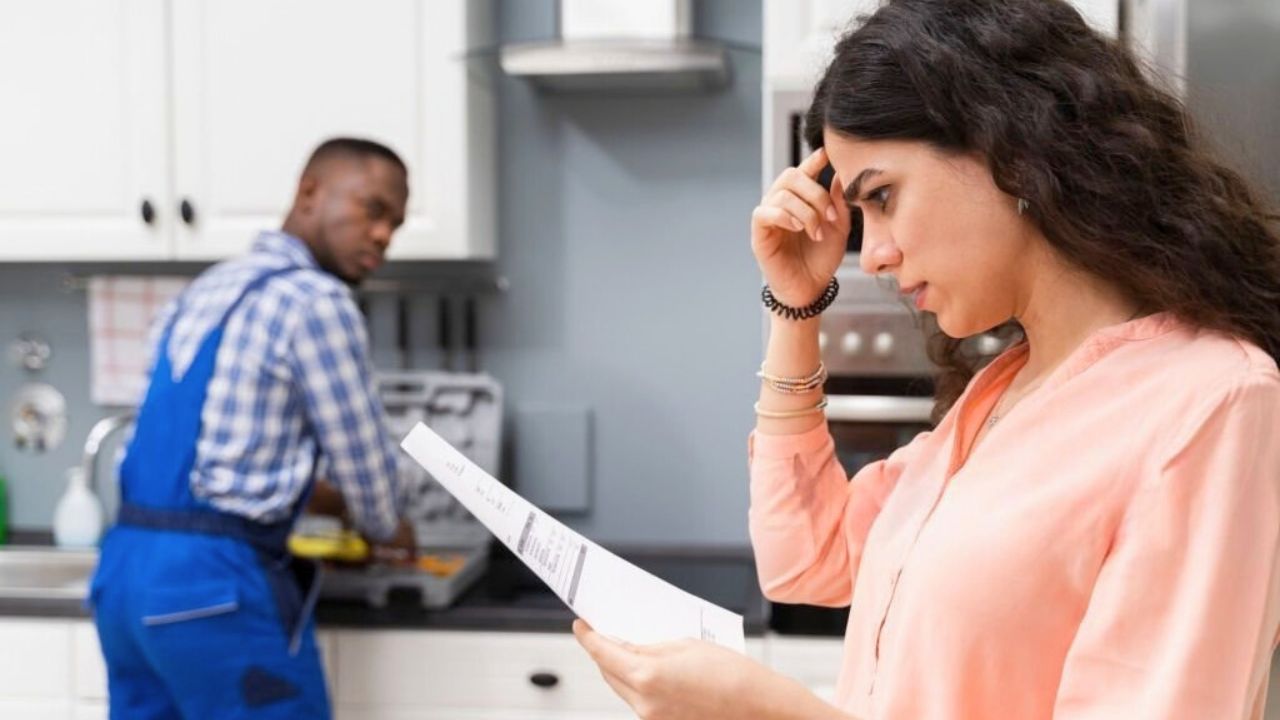
Even when materials stabilize, the human side of home upkeep is getting pricier. You depend on plumbers, electricians, roofers, and HVAC technicians who often run small businesses and who are dealing with the same inflation pressures as every other employer. One report on the home services industry notes that these workers and small firms are facing higher costs for everything from tools to trucks, and as inflation surged to a two decade high, it made sense for them to raise rates so the work remained viable. That is why a basic service call that once cost 80 dollars can now easily cross 150 dollars before any parts are added.
The impact of a skills gap adds to that pressure. Fewer young workers are entering some trades, which tightens supply just as aging housing stock requires more attention. When demand outpaces the number of qualified pros, you see longer wait times and higher quotes. Some homeowners respond by postponing nonurgent work, but that often backfires when a small leak becomes a major water damage claim or a neglected furnace fails in the middle of winter, a pattern reflected in rising home repair costs for issues that might have been cheaper to fix earlier.
Macro inflation and the cost of “just keeping up”
Inflation does not hit every category equally, and home upkeep has been on the high side of the curve. When broad price levels rise, every component of a repair gets more expensive at once, from drywall and copper piping to the gas in the contractor’s van. An in depth look at household upkeep notes that “Macro Inflation” has raised the baseline cost of supplies and labor across the home services sector, which is why your annual maintenance tab can now exceed 10,000 dollars a year if you own a larger or older property and keep up with recommended work.
Those rising costs ripple into housing affordability more broadly. As “Repair and” remodeling costs climb, they affect not only discretionary upgrades but also basic necessities for millions of homeowners, according to the Verisk Repair, Remodel. When your budget has to absorb higher insurance premiums, property taxes, and mortgage payments at the same time, a bigger share of your housing dollars goes to simply staying even, which leaves less room for savings or improvements that could help your home hold its value.
Modern homes, complex systems, and pricier failures
Your home likely contains more technology and specialized systems than it did a decade ago, and each layer of complexity adds cost when something fails. Modern appliances and home systems often rely on proprietary electronics, sensors, and software that require brand specific parts and trained technicians, which makes “Why Fixing Anything” in “Your House Now Costs” a “Small Fortune” when a single circuit board or control module fails. As one analysis puts it, “Not Just You” is feeling this shift, because the same trend affects everything from induction cooktops and tankless water heaters to smart thermostats and security systems.
That complexity also shortens the window between routine maintenance and major repair. A high efficiency furnace may save you on monthly utility bills, but if it fails outside warranty, the cost to replace integrated components can rival a full system swap. Similarly, a built in refrigerator with custom panels might require specialized labor and parts that cost several times more than a simpler freestanding model. You are effectively trading lower day to day operating costs for higher risk of expensive repairs, a tradeoff that shows up in aggregated home maintenance expenses when systems reach the end of their useful life.
Big ticket repairs that blow up your budget
Some categories of home upkeep are inherently expensive, and inflation has only magnified their impact. Roofing is a prime example. Few home repairs are as expensive as a roof repair or a full replacement, and current ranges show Roofing costs of 1,147 dollars to 30,680 dollars or more for significant work, according to one breakdown that emphasizes that “Few” projects strain a household budget as much as a compromised roof. When you add structural repairs, insulation, and disposal fees, you can easily spend more on a single roofing job than you did on your car.
Other systems sit in the same budget busting tier. A failed septic system, a cracked foundation, or a major plumbing line replacement can each run into the tens of thousands of dollars, especially if you live in an area with higher labor costs or challenging soil conditions. Insurers and maintenance analysts warn that as extreme weather events become more frequent, you also face rising odds of storm related damage to roofs, siding, and HVAC units, which helps explain why some homeowners are now seeing total upkeep and repair costs exceed 10,000 dollars per year and why most expensive home lists are dominated by these large structural systems.
How climate and aging homes push costs higher
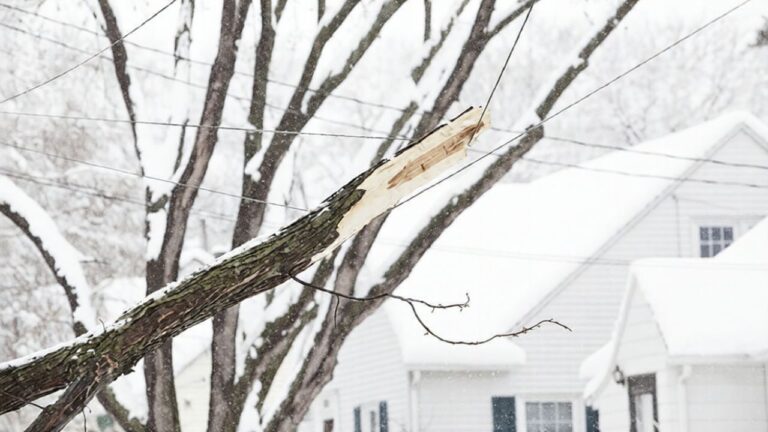
Where you live and how old your home is now play an even larger role in what you spend to maintain it. As the frequency and intensity of extreme weather increases, you are more likely to deal with wind, hail, flooding, or heat related stress that shortens the lifespan of roofs, siding, and mechanical systems. Analysts who connect “Macro Inflation” with climate pressures point out that more frequent extreme weather events are driving up both the number and severity of insurance claims, which feeds back into higher premiums and stricter coverage, leaving you to pay more out of pocket for repairs that used to be fully insured.
Aging housing stock adds another layer. Many homes built in the mid twentieth century are now reaching the point where original plumbing, wiring, and structural components need wholesale replacement instead of patch repairs. In practice, that means you are not just paying for a one off fix, you are funding modernization projects that bring older properties up to current safety codes. When multiple systems age out at the same time, your maintenance budget can feel like a rolling capital improvement plan, especially if your property has deferred upkeep from previous owners that you now have to correct.
Why your budget rules need an update
Given these pressures, you cannot rely on outdated back of the envelope rules to protect your finances. While the classic 1 percent rule is a useful starting point, more detailed guidance suggests tailoring your plan to both home value and condition. Some financial educators recommend setting aside a fixed percentage of your home price each year, while also adjusting for factors like age, climate, and whether you have major systems that are more than a decade old. One analysis of upkeep budgets notes that a simple percentage of home value is a reliable budgeting rule of thumb, but it should be layered with a schedule of expected replacements, a point echoed when a Person is shown using a calculator to plan annual costs.
More detailed research on the “Cost Of Home Maintenance In America” suggests that Experts say you should set aside 1 percent of the total home price every year for routine maintenance and home improvement costs, and that a list of the systems most likely to need your attention is even more helpful for planning. If you know your roof, furnace, and water heater are all in the 10 to 15 year age range, you can build a sinking fund that anticipates those replacements instead of treating them as surprises. That kind of proactive budgeting does not make repairs cheaper, but it does keep you from turning every major fix into new debt on a credit card or home equity line.
Strategies to keep rising upkeep from sinking you
You cannot control macro inflation or global supply chains, but you can change how you manage your own four walls. Preventive maintenance is still the cheapest form of upkeep, even when service calls cost more than they used to. Regular HVAC tune ups, gutter cleaning, and roof inspections catch small issues before they become structural problems that trigger those 1,147 dollar to 30,680 dollar Roofing bills. Some homeowners also use service plans or home warranties to smooth out costs, purchasing coverage through providers that offer Home Maintenance and repair plans so that big ticket failures come with a known deductible instead of a blank check.
Like Fix It Homestead’s content? Be sure to follow us.
Here’s more from us:
- I made Joanna Gaines’s Friendsgiving casserole and here is what I would keep
- Pump Shotguns That Jam the Moment You Actually Need Them
- The First 5 Things Guests Notice About Your Living Room at Christmas
- What Caliber Works Best for Groundhogs, Armadillos, and Other Digging Pests?
- Rifles worth keeping by the back door on any rural property
*This article was developed with AI-powered tools and has been carefully reviewed by our editors.