Why sealing, drainage, and roofing are suddenly top priorities
Photo credit: Aleksey Kurguzov/Shutterstock.com
When storms hit harder, summers run hotter, and insurance grows stricter, you feel the impact first at the roofline. Sealing, drainage, and roofing move from background maintenance to front‑burner strategy because they decide whether your building shrugs off the next weather event or absorbs expensive damage. By treating the roof as a system that manages water, heat, and structural stress, you gain far more control over costs, comfort, and long‑term value.
You are not just patching shingles or clearing a gutter; you are managing risk. A sealed, well‑drained, and structurally sound roof protects your family or your tenants, stabilizes your energy bills, and keeps your property marketable in a tougher climate and insurance environment. Priorities that once felt optional now sit at the center of any serious maintenance plan.
Why the roof suddenly sets the agenda
You feel shifts in weather, energy prices, and insurance rules most sharply where your building meets the sky. As rainfall comes in heavier bursts and heat waves stretch longer, the margin for error on your roof shrinks. A small leak that once dried out on its own now turns into trapped moisture, mold, and structural decay because storms stack up faster than your materials can recover. That is why more professionals talk about roofing as a resilience system rather than a cosmetic shell, and why you are pushed to think about sealing, drainage, and structure as one integrated package.
Architects describe how complete roofing systems and benefits work together so your roof performs energy wise while also resisting wind and water. You are not simply choosing a shingle; you are choosing how insulation, membranes, fastening patterns, and drainage interact when a thunderstorm drops several centimeters of rain in an hour. Once you treat the roof as the first line of defense for both structure and energy performance, it becomes obvious why it now competes with kitchens and bathrooms for top project priority.
Sealing: your first shield against water and heat
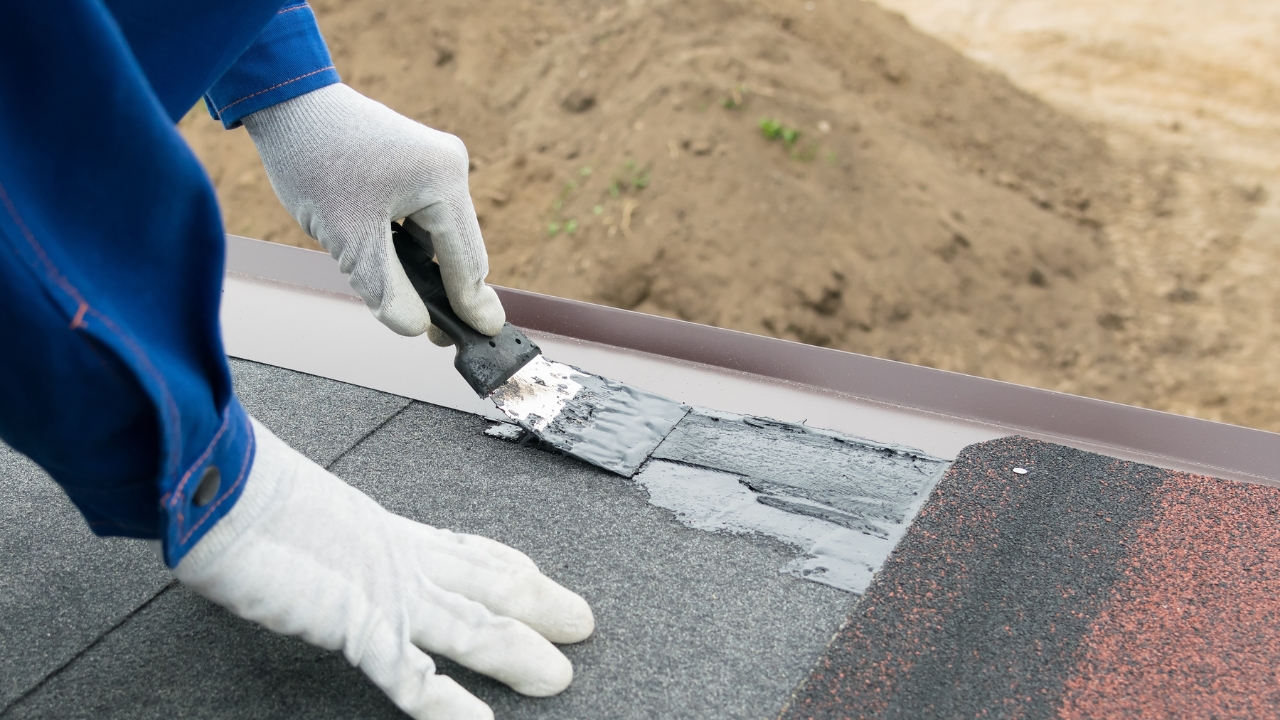
Roof sealing has moved up your to‑do list because it directly addresses the two forces that wear out a roof fastest: moisture and ultraviolet exposure. A quality sealant creates a continuous barrier that keeps water from working into seams, fastener penetrations, and hairline cracks. That barrier slows down the cycle of wetting and drying that makes materials expand and contract until they break. At the same time, reflective sealants bounce a significant share of solar radiation away from the surface, which lowers peak temperatures and reduces thermal stress on the underlying structure.
Contractors explain that why summer is often the best time for this work is simple: warm, dry conditions help the product cure correctly and create the tight film you need. When you schedule sealing in that window, you give your roof a fresh protective skin before autumn storms and winter freeze‑thaw cycles arrive. Combined with thoughtful design choices such as cool coatings that reflect heat, your sealing plan becomes a targeted way to extend service life and stabilize interior comfort without a full replacement.
Drainage: controlling the path of every drop
If sealing is your shield, drainage is your steering wheel. You cannot keep all water off the roof, but you can decide how quickly and safely it leaves. Ignoring that invites ponding, infiltration, and structural overload that no coating can fully overcome. Industry guidance compares roof drainage to a building’s circulatory system: when it slows or clogs, damage spreads far beyond the immediate area. Gutters, scuppers, internal drains, and downpipes all have to be sized and placed so water moves away before it can find a weak point.
Specialists in both residential and commercial work stress that even top‑quality materials fail early without proper water management, which is why they emphasize why roof drainage is essential to prevent water pooling and leaks. Another group of experts warns that water does not need an invitation to cause expensive structural damage and that a well‑designed system protects your commercial investment long term. Designing for drainage from the start reduces standing water, keeps loads within structural limits, and gives sealants and membranes a much easier job.
Why water is the silent threat you cannot ignore
You may worry about wind, hail, or falling branches, but slow, persistent moisture usually causes the deepest and most expensive damage. On low‑slope roofs, even a shallow puddle that lingers after every storm starts to degrade membranes, work into seams, and add weight that the structure never expected to carry. On pitched roofs, clogged valleys and gutters redirect water under shingles and into fascia boards, where rot can progress for months before you see a stain on the ceiling. By the time you notice, the repair scope often includes framing, insulation, and interior finishes.
Technical analysis of flat roofs explains that while insulation and membranes matter, water that does not drain properly is the number one silent threat. Guidance on roof longevity adds that pooling water can weaken roofing materials, encourage mold, and lead to extensive and avoidable damage. Once you see water as the main adversary, every decision about slope, outlet placement, and maintenance frequency becomes easier to prioritize.
Structural stakes: from sagging decks to insurance headaches
Once water and time start to work together, the structure beneath your roof quietly absorbs the cost. A sagging deck not only holds more water, which worsens ponding, it also signals that joists or trusses may be stressed beyond their design. That can trigger safety concerns for occupants and complicate any future reroofing project, since contractors have to address underlying framing before they can install new materials. You also face the risk that insurers will classify the damage as neglect rather than a covered event, which shifts more of the bill to you.
Risk advisors point out that effective roof drainage is vital for maintaining the structural integrity of a building and that poor drainage may lead to leaks, mold growth, and even collapse, all of which threaten the safety and functionality of any building. One analysis of effective drainage connects these physical risks directly to insurance outcomes, since carriers increasingly scrutinize maintenance before paying large claims. When you invest in structure and drainage ahead of time, you are not only protecting beams and decks, you are also preserving your ability to argue that any future loss should be fully covered.
Why regular maintenance beats emergency repairs
Routine inspections and small fixes may feel like a cost center, yet they are one of the few building expenses that reliably pay you back. Scheduling maintenance gives professionals a chance to catch cracked sealant, loose flashings, and clogged outlets while the repair is quick and inexpensive. That habit stretches the interval between full replacements and reduces the odds that you will wake up to a leak during a storm, when labor is scarce and rates spike. It also gives you documentation that you have taken reasonable care of the property, which helps with both buyers and insurers.
Home improvement specialists argue that top benefits of include a strong financial case for proactive work and the safety and peace of mind that come from knowing your roof is sound. Professional service providers highlight that regular attention can extend the lifespan of your roof, save money on costly repairs, and protect your home and its value, while also helping to improve energy efficiency year after year. When you stack these benefits against the cost of a single major leak, the logic of scheduled maintenance becomes hard to ignore.
Reading the warning signs before failure
Your roof rarely fails without sending signals first; the challenge is training yourself to notice them early. Inside, you might see faint ceiling stains, peeling paint near exterior walls, or a musty smell in an upper closet. Outside, you might spot granule loss on asphalt shingles, lifted edges, rust around metal penetrations, or gutters that overflow even in moderate rain. Each of these hints that water is finding a path it should not, and that your sealing or drainage strategy needs attention.
Guides to roof condition spell out that signs your should include clear indicators such as the roof is old and that older homes, while charming, demand extra caution if the covering is more than a couple of decades into service. Other resources remind you that water is the nemesis of any roof and is especially problematic for businesses with flat or low‑slope assemblies. When you treat these signs as a call to action instead of a cosmetic issue, you give yourself time to plan repairs on your terms rather than under the pressure of active leaks.
How sealing, drainage, and structure protect your investment
From a financial perspective, every decision you make about the roof either preserves or erodes equity. A sound, attractive roof boosts curb appeal, supports appraised value, and reassures buyers that they are not walking into an immediate capital project. By contrast, visible wear, sagging lines, or water stains on soffits can scare off qualified buyers or invite lowball offers. When you invest in sealing, drainage upgrades, and structural corrections, you are effectively buying a more liquid and valuable asset.
Real estate‑focused advice notes that roofs seriously affect property value and curb appeal, especially if you plan to sell within the next few years. Family‑oriented guidance adds that key reasons to prioritize roof maintenance for your family’s protection include safeguarding against local extreme weather and preserving home value so visible neglect does not deter prospective buyers. By framing your roof work as an investment decision, you can justify higher‑quality materials and more thorough drainage solutions that pay off at resale.
Putting it into practice: a simple priority checklist
Turning these ideas into action starts with a clear checklist that you revisit every season. In the short term, you can schedule an inspection, clear debris from gutters and drains, and address any minor sealing issues around vents, chimneys, and skylights. You can also map how water currently moves across your roof and around your lot, then decide whether additional downspouts, splash blocks, or grading changes would keep it farther from your foundation. These are practical steps that do not require a full reroof but still reduce immediate risk.
From there, you can plan medium‑ and long‑term upgrades. That might include roof sealing as a cost effective preventative step, or choosing energy efficient roofing that the United States Department of Energy notes can extend roof life by minimizing heat stress. When you combine these choices with a commitment to address issues as soon as you see them, you align your maintenance habits with what the data already shows: sealing, drainage, and sound structure are not optional extras, they are the levers that keep your building safe, efficient, and financially resilient.
Like Fix It Homestead’s content? Be sure to follow us.
Here’s more from us:
- I made Joanna Gaines’s Friendsgiving casserole and here is what I would keep
- Pump Shotguns That Jam the Moment You Actually Need Them
- The First 5 Things Guests Notice About Your Living Room at Christmas
- What Caliber Works Best for Groundhogs, Armadillos, and Other Digging Pests?
- Rifles worth keeping by the back door on any rural property
*This article was developed with AI-powered tools and has been carefully reviewed by our editors.