Why fewer homeowners are remodeling — but still spending on repairs
Photo credit: Globalphotogroup/Shutterstock.com
Higher borrowing costs, stubborn inflation, and a frozen housing market have pushed you and many other owners to rethink big remodeling dreams. Even as you scale back on ambitious upgrades, though, you are still pouring money into keeping your home safe, functional, and ready for whatever comes next.
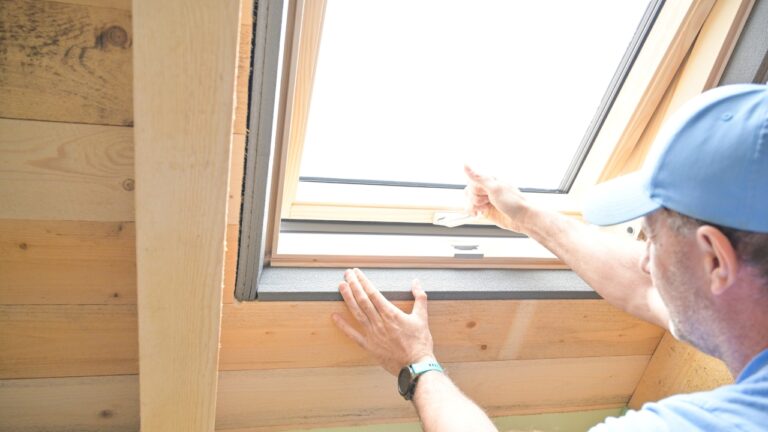
Rather than gut renovations, you are more likely to patch a roof, replace a water heater, or shore up a drafty window. This shift from discretionary makeovers to essential fixes is reshaping how you budget, shop, and prioritize projects, and it is quietly rewriting the home improvement story for the next few years.
The housing freeze that changed your renovation math
When mortgage rates climbed rapidly after years of cheap money, the basic math of trading up stopped working for you. If you locked in a low rate, selling your current place and taking on a new loan at a much higher rate can add hundreds of dollars to your monthly payment, a burden that many owners are unwilling to shoulder. Analysts who track the housing market have linked this rate shock to a sharp drop in home sales and a surge in so-called “rate lock” households who feel stuck where they are, a pattern that has directly altered how you think about large projects and long term plans for your property, as explained in research on interest rates.
As listings dry up and prices stay high, you face a strange mix of pressure and opportunity. On one hand, you may feel trapped in a home that no longer fits your needs, so a full remodel looks tempting as a way to create a “forever” space without moving. On the other, the same forces that froze the housing market have made financing more expensive, contractors busier, and materials pricier, which makes you more cautious about big-ticket work. Instead of greenlighting a full kitchen overhaul, you might decide to live with outdated cabinets a bit longer and redirect limited cash to repairs that protect your investment in a market where buying something new feels out of reach.
Why you are postponing big remodels
Economic anxiety sits at the center of your hesitation. You are juggling higher mortgage or rent costs, more expensive groceries and utilities, and a steady drumbeat of headlines about layoffs and slowing growth. In that environment, the idea of dropping tens of thousands of dollars on a new bathroom or an addition can feel reckless, even if you have dreamed about it for years. A national survey found that 71% of homeowners have postponed renovations due to economic uncertainty, and that figure came from a survey of over 1,000 respondents, which shows how widespread your caution really is, according to research on 71% of homeowners.
At the same time, your job feels less guaranteed than it did a few years ago, and that uncertainty weighs heavily on any decision that involves new debt or draining savings. Reporting on how housing costs and shape renovation plans shows that you are not alone in pressing pause. You may still collect inspiration on Pinterest, follow contractors on Instagram, and price out tile at big box stores, but when it comes time to sign a contract, the risk of overextending yourself in a shaky economy often wins out over the pull of a dream makeover.
Why repair work keeps winning your budget
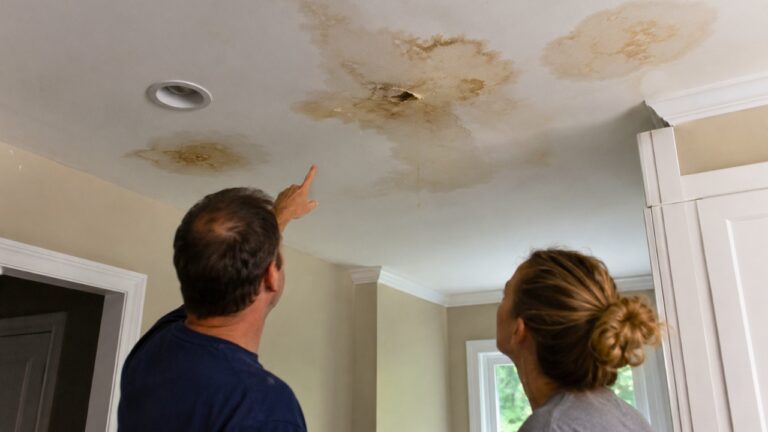
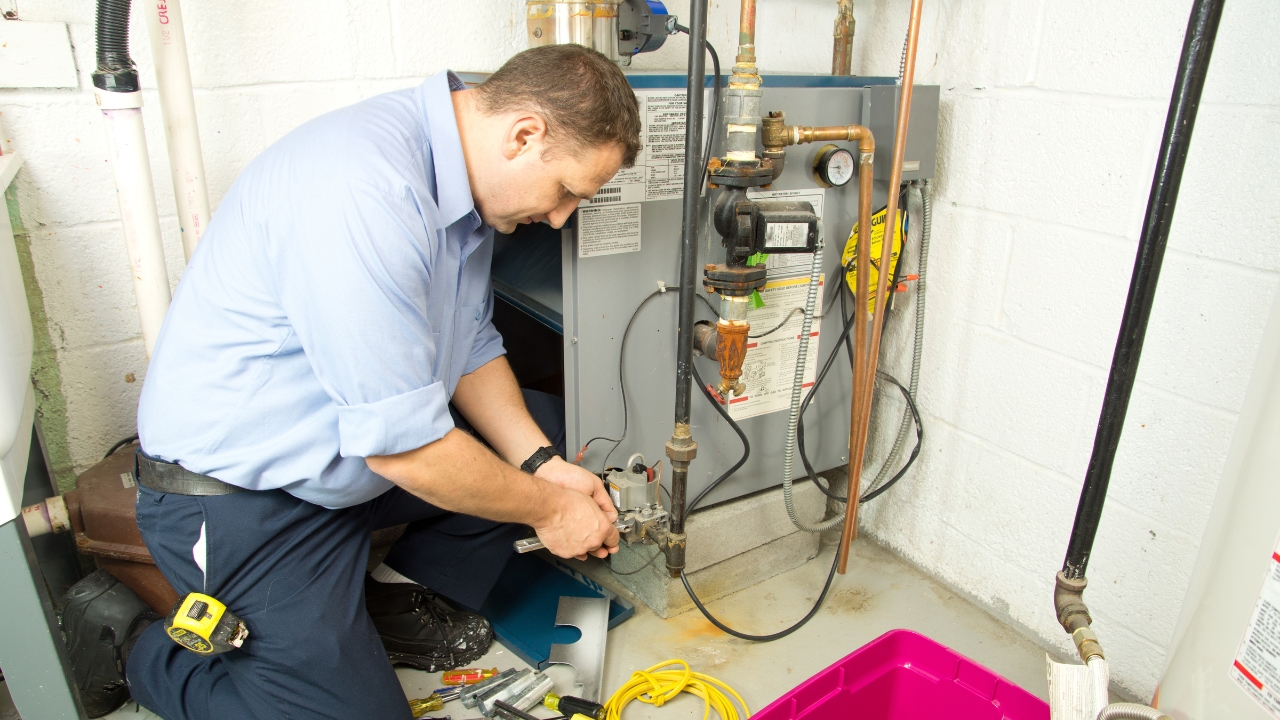
Even as you delay major upgrades, you cannot ignore problems that threaten your home’s basic health. A leaking roof, faulty wiring, or a broken furnace is not optional, and the longer you wait, the more expensive the damage can become. In the same survey that highlighted widespread delays, a significant share of owners still spent on essentials like HVAC or plumbing repair, with 21% reporting those types of projects, which shows how you prioritize keeping the house running even when you are hesitant about more cosmetic work, as detailed in the survey findings.
National spending data tells a similar story about your choices. Analysts who track home improvement and repair trends have documented that while discretionary remodeling has cooled, homeowners continue to spend heavily on maintenance and necessary fixes. One review of the sector found that homeowners are still paying for renovations and repairs despite an uncertain economy and higher prices, and it noted that recent price increases appear to be driven primarily by labor costs rather than tariffs or supply shocks, which affects how far your repair budget goes, according to reporting on homeowners who spend. You may grumble about paying more for a plumber or electrician, yet you still make the call because protecting your home’s core systems feels nonnegotiable.
How higher prices and tighter budgets reshape your plans
When you do move ahead with work, you are confronting a different cost structure than you might remember from a few years ago. Labor shortages in the trades, higher wages, and lingering supply issues have pushed project bids higher, especially for skilled work like electrical, roofing, and structural changes. Analysis of national spending patterns points out that recent price increases appear to be driven primarily by labor costs, not by the trade disputes that dominated earlier conversations about building materials, so you are paying more for people rather than for products, a shift captured in the same review of higher prices.
At the household level, you respond by trimming project scope or stretching timelines. Instead of remodeling an entire first floor in one go, you might phase the work room by room, starting with the kitchen and leaving the dining room and hallway for another year. Industry researchers who track Homeowner Readiness to Spend on Home Improvement Projects in 2025 and 2026 describe tighter budgets and rising remodeling costs that push you toward more modest, targeted investments. You are more likely to choose midrange finishes, keep existing layouts, and focus on energy efficiency or durability rather than high-end design, because every extra dollar has to justify itself against other demands on your wallet.
What big retailers are revealing about your behavior
You can also see your shifting priorities reflected in the earnings of major home improvement chains. One of the clearest signals came from Home Depot, which reported a nearly 4% drop in fourth-quarter 2025 sales as homeowners delayed renovations and DIY projects. Executives tied the decline to customers like you pulling back on large discretionary purchases and focusing more on essentials, a trend that shows up in the mix of items leaving the stores, according to coverage of Home Depot sales. When you walk those aisles, you may still buy paint and basic tools, but you are less likely to load up on luxury appliances or materials for a full gut job.
Additional reporting on the same company’s performance describes how market activity has tilted more toward high-income households, while many other owners pull back under economic pressure. Analysts noted that with the housing market frozen, Home Depot has seen significant declines in bigger ticket categories that usually signal confidence, such as major remodels or outdoor living expansions, a pattern described in detail when Home Depot discussed weary homeowners. Your own shopping list likely reflects that shift, with more money going to replacement parts, filters, and maintenance supplies instead of aspirational upgrades, even if you still browse the showroom kitchens for ideas.
Why younger owners still lean into renovations
Age and life stage play a major role in whether you pull back or push ahead. If you are a younger owner, especially in Gen Z or your early thirties, you may be more willing to tackle renovations despite the economic headwinds. Survey data shows that 56% of Gen Z homeowners have renovation plans for 2025, compared with just 32% of baby boomers, a gap that highlights how you weigh risk differently at various points in your housing journey, according to analysis of 32% of baby.
If you are younger, you might have bought a smaller or more outdated home that practically demands upgrades, and you may feel you have more time to recoup the cost through future appreciation. You are also more likely to rely on social media for design inspiration and to see renovations as part of building wealth and identity, not just maintenance. By contrast, if you are a baby boomer, you may already live in a home that suits your needs, carry less debt, and prioritize preserving savings for retirement rather than taking on new projects. The same research notes that older owners tend to be more conservative with repair budgets, which helps explain why you might focus on only the most necessary fixes while your younger neighbors are tearing out walls.
How the pandemic boom still shapes your expectations
Your current hesitation sits in the shadow of an extraordinary surge in home improvement during the pandemic years. When you were spending more time at home, you invested heavily in remodeling and repairs, and national spending vaulted from previous levels to new highs. A major report on the sector identified “Pandemic Fuels Unprecedented Spending” as one of its Five Takeaways from the New Report on remodeling, and it highlighted how home improvement and repair spending vaulted across the nation’s 145 million homes, which set a very high baseline for your expectations about what normal activity looks like, according to the Five Takeaways.
That boom pulled a lot of demand forward, which changes how you feel now. If you already upgraded your kitchen or added a home office in 2021 or 2022, you may not feel the same urgency to remodel again, even if your finances would allow it. At the same time, you might be dealing with the hangover from that period, such as lingering credit card balances or home equity loans that still need to be paid down. Industry observers have warned that a sharp decline or prolonged slump in remodeling would threaten a reliable source of economic growth and stock market gains, and they have noted that investors are still betting the renovation boom will eventually reignite, a tension captured in commentary on a possible remodeling rebound. You sit between those forces, with memories of rapid upgrades behind you and a more cautious outlook ahead.
Why “stay and fix” beats “sell and move” for you now
Given the combination of high interest rates, limited inventory, and economic uncertainty, many homeowners like you have decided that staying put and fixing what you have is more realistic than trying to buy something new. Surveys of American homeowners have found that amid high interest rates and inflation, many would rather renovate than buy a new home, which reflects a broad sentiment that moving has become too expensive or too risky, as described in research that was Discovered via citation. When you run the numbers on closing costs, moving expenses, and a higher mortgage payment, the case for staying and investing selectively in your current place often wins.
The same logic shows up in consumer surveys that track how you think about your home’s condition and value. One homeowner survey found that many respondents preferred to tackle projects that protect or slightly enhance their property rather than chase large-scale transformations, a mindset that aligns with your focus on repairs over remodels, as detailed in research that was Discovered via citation. You may repaint a front door, replace worn flooring, or improve insulation because these projects deliver visible benefits without the disruption and financial strain of a full renovation. Over time, this “stay and fix” approach can still raise your home’s value and comfort, just in smaller, more manageable steps.
How to prioritize projects when you are cautious but committed
Like Fix It Homestead’s content? Be sure to follow us.
Here’s more from us:
- I made Joanna Gaines’s Friendsgiving casserole and here is what I would keep
- Pump Shotguns That Jam the Moment You Actually Need Them
- The First 5 Things Guests Notice About Your Living Room at Christmas
- What Caliber Works Best for Groundhogs, Armadillos, and Other Digging Pests?
- Rifles worth keeping by the back door on any rural property
*This article was developed with AI-powered tools and has been carefully reviewed by our editors.