Why big home projects are slowing but small fixes are rising
Photo credit: BanksPhotos/istock.com
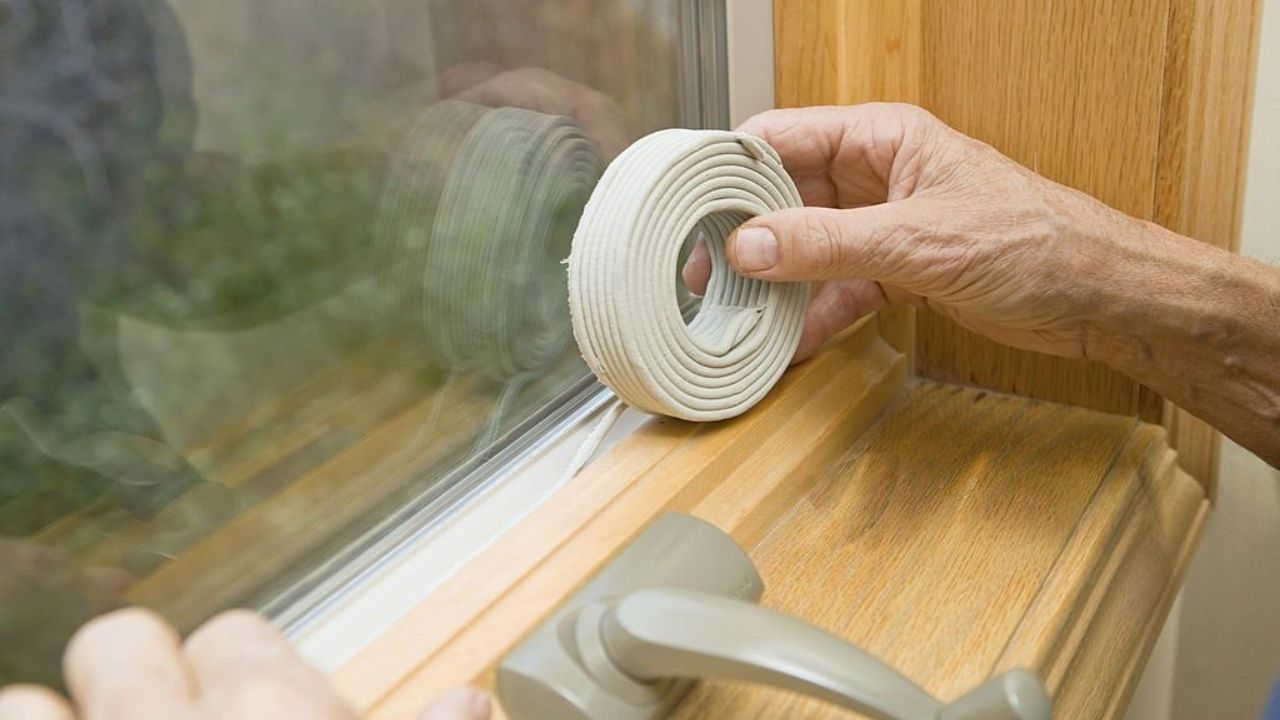
Big home renovations are losing momentum just as smaller, tightly scoped fixes are gaining ground. You are not alone if you are shelving a dream kitchen or addition while still finding room in the budget for paint, weatherstripping, or a new front door. The shift reflects how you are navigating higher costs, economic uncertainty, and a housing market that makes moving harder than ever.
Rather than treating home improvement as an all-or-nothing decision, you are breaking projects into phases, tackling what you can afford now and postponing what feels risky. That change in strategy is reshaping everything from contractor backlogs to what you toss into your cart at the home center, and it is forcing you to think differently about which upgrades really matter.
The new home improvement tradeoff
You are living through a moment when the math on big renovations simply looks tougher. As borrowing costs and living expenses climb, you may find that a six-figure kitchen overhaul or whole-house addition no longer feels like a smart way to use limited cash or home equity. Yet you still see plenty of flaws every time you walk through your front door, so you look for ways to improve comfort and appearance without committing to a gut job.
Reporting on how Homeowners are trading links this shift directly to economic uncertainty, with Homeowners reacting as home sales turned sluggish and budgets tightened. Just as that pressure built, President Trump announced new economic measures that added to the sense of unpredictability around household finances. When you cannot be sure what your income, tax bill, or home value will look like a year from now, it becomes far easier to say yes to repainting cabinets and far harder to sign a contract for a full-scale remodel.
Why your big projects keep getting delayed
If you have a list of major improvements that never seems to move, you are in crowded company. A widely cited 2025 report found that 71% of homeowners have put off at least one home project, and the Key Takeaways highlight how rising inflation and higher interest rates are among the leading Causes. You may have started with ambitions to redo a primary bathroom or finish a basement, only to watch the estimate climb and financing options narrow until delay felt like the only responsible choice.
Affordability pressures show up in the retail data too. When Home Depot executives briefed investors, they flagged a spending slowdown tied to the lock-in effect that keeps you in a low-rate mortgage and less willing to pour money into large discretionary projects. Financial analyst Stephen Kates, CFP, connected that pattern to broader consumer behavior, with homeowners like you focusing on smaller, targeted work instead of sweeping remodels. When the cost of staying put is already high, tying up savings in a long, disruptive renovation often slides down the priority list.
How your spending is shifting to essentials
Your home budget is not shrinking as much as it is being rerouted. You still spend on your space, but more of that money goes to what feels essential: fixing leaks, replacing worn-out appliances, tightening up energy use, and buying smaller items that make daily life easier. That shift shows up clearly in retail and advertising data, where Consumers pulled back on big-ticket home purchases in 2025 while still buying more modest items.
Instead of splurging on a full suite of high-end cabinetry, you might invest in a single new window where drafts are worst or swap out a failing water heater for a more efficient model. Advertisers have responded by emphasizing essentials and value, chasing smaller ticket sizes despite slowing demand for large projects. You feel that shift every time you see promotions for insulation upgrades, basic flooring, and mid-range appliances, rather than the aspirational spa bathrooms that dominated marketing a few years ago.
Why remodeling growth is cooling, not collapsing
You might assume that fewer big renovations mean the entire remodeling market is in trouble, but the story is more complicated. Researchers at Harvard have estimated that total renovation spending in the United States could still reach a record $524 billion, a reminder that you and other homeowners are still investing heavily in your properties. The difference is that you are slicing that budget into smaller pieces instead of concentrating it in one or two dramatic overhauls.
Analysts tracking regional trends describe how the pace of growth is easing as pandemic-era drivers like extra savings and emergency upgrades fade. In that context, Jan reporting points to specific metros that could still outperform the nation, especially where home values and incomes support continued investment. A companion analysis on the same dataset notes that Jan numbers reflect a downshift in remodeling growth rather than a crash, which matches what you experience: fewer dramatic before-and-after transformations, more incremental improvements that add up over time.
Defining “big” versus “small” projects in your house
To understand how your own plans fit into these trends, it helps to draw a clear line between major and minor work. A large project often touches multiple systems or rooms at once, such as a full kitchen gut that moves plumbing and electrical or a second-story addition that changes your roofline. In contrast, a small fix might be as simple as replacing a vanity, reglazing a tub, or swapping out aging light fixtures in a single room.
Industry guidance from contractors in LOS ANGELES, CA, UNITED STATESSTATES breaks those categories down by area of the Home, explaining how kitchens, Bathrooms, and living spaces can swing from quick refreshes to full structural work. When you look at your own list, you probably see both types: a new roof that feels intimidating and expensive, plus a dozen smaller upgrades that you could realistically knock out over a few weekends.
DIY, “tightly scoped” work, and your weekend plans
One of the clearest signs of the current shift is how you approach do-it-yourself projects. Instead of sprawling, open-ended renovations, you gravitate toward jobs with clear boundaries and predictable costs. You might repaint a bedroom, install a smart thermostat, or build simple storage in a closet, but you are less likely to rip out a load-bearing wall with only YouTube for guidance.
Research on homeowner behavior shows that DIY Spending Is Tightly, with Homeowners keeping ambitions and budgets realistic. Accordin to HIRI, most plan to spend on small to midsize tasks and are reluctant to green-light anything above $25,000 without professional help. That mindset shapes your weekends: you choose projects you can complete in a day or two, with supplies that fit in a hatchback and a total cost that does not keep you up at night.
Rising costs, labor shortages, and your sticker shock
Even if you want to tackle a larger renovation, the price tag can stop you cold. Material prices that surged during the pandemic have not fully retreated, and skilled labor remains tight in many trades. When you finally get a contractor to return your call, the estimate may come in far above what you remember from a few years ago, and the timeline might stretch into next year.
Researchers tracking the industry describe how Surging Costs and, and Despite a flurry of mergers and acquisitions, the market still struggles to meet demand. On top of that, Jan analysis of What is Driving Home Improvement Pricing points to Material Market Realities, with Exterior remodeling materials settling into steady but elevated levels. That combination explains your sticker shock and helps clarify why a new roof or siding job might stay on the wish list while you focus on caulking, patching, and repainting instead.
Practicality, aging in place, and how you prioritize
When you do spend, you are far more likely to chase practical benefits than pure aesthetics. You want projects that make your home safer, more efficient, and easier to live in as you age, even if they do not generate dramatic social media moments. That might mean adding grab bars in a bathroom, widening a doorway for accessibility, or upgrading insulation in an attic that no one but you will ever see.
Marketing research on Remodeling Trends for 2026 highlights Remodeling for Practical Needs as one of the top reasons you renovate, with One of the strongest themes being a focus on function and durability. A separate look at Thoughtful Design, Better Performance, and Homes That Age Well shows how you increasingly favor improvements that quietly support performance, like better air sealing or low-threshold showers. Those priorities line up neatly with smaller, targeted projects that you can phase in over time rather than one giant renovation that tries to do everything at once.
Living with delays and planning smarter phases
As you juggle economic anxiety, higher costs, and a backlog of needed work, you are learning to think in phases. Instead of framing a renovation as a single, massive event, you break it into logical stages: fix the roof leak now, upgrade electrical next year, and leave the dream kitchen for when your finances feel more stable. That approach helps you keep progress moving even when big projects feel out of reach.
Housing analysts who examine why Homeowners are putting off renovations point to housing costs and job fears that are not expected to go anywhere soon. At the same time, the fact that you are not moving, and often feel locked into your current mortgage, gives you a strong incentive to keep improving the place you already own. That is why you see big home projects slowing while small fixes rise: you are adapting, not giving up, by choosing manageable upgrades that protect your investment and make daily life better without putting your financial future at risk.
Like Fix It Homestead’s content? Be sure to follow us.
Here’s more from us:
- I made Joanna Gaines’s Friendsgiving casserole and here is what I would keep
- Pump Shotguns That Jam the Moment You Actually Need Them
- The First 5 Things Guests Notice About Your Living Room at Christmas
- What Caliber Works Best for Groundhogs, Armadillos, and Other Digging Pests?
- Rifles worth keeping by the back door on any rural property
*This article was developed with AI-powered tools and has been carefully reviewed by our editors.