The home habits that are making insurance companies nervous
Photo credit: Mulevich/Shutterstock.com
Insurers are no longer just pricing your home on square footage and ZIP code. They are scrutinizing how you live, what you install, and even what shows up in your yard, then quietly deciding whether you still look like a good bet. As climate shocks, construction costs, and new technology collide, everyday home habits are starting to trigger real anxiety inside underwriting departments.
To keep coverage and avoid punishing premiums, you need to understand which choices now look risky from the insurer’s side of the table. Some of those choices are obvious, like ignoring wildfire risk, but others are surprisingly mundane, from the way you finish your basement to the toys you set up for your kids.
The climate habits that quietly raise your risk profile
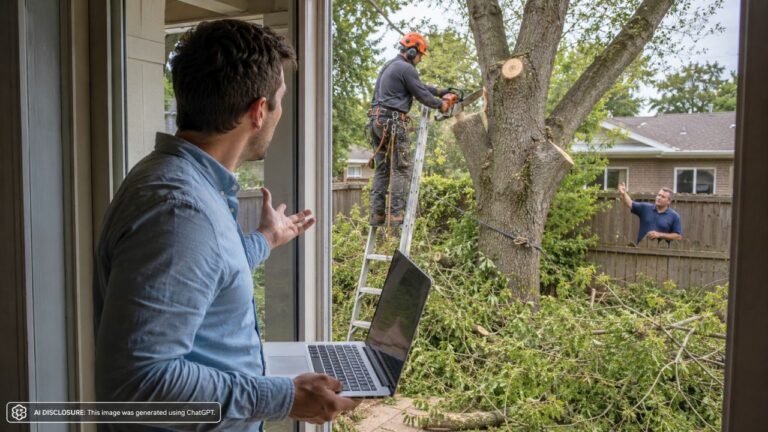
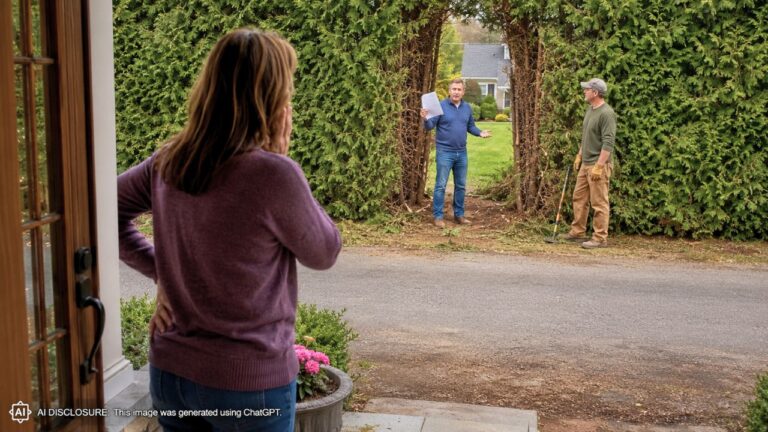
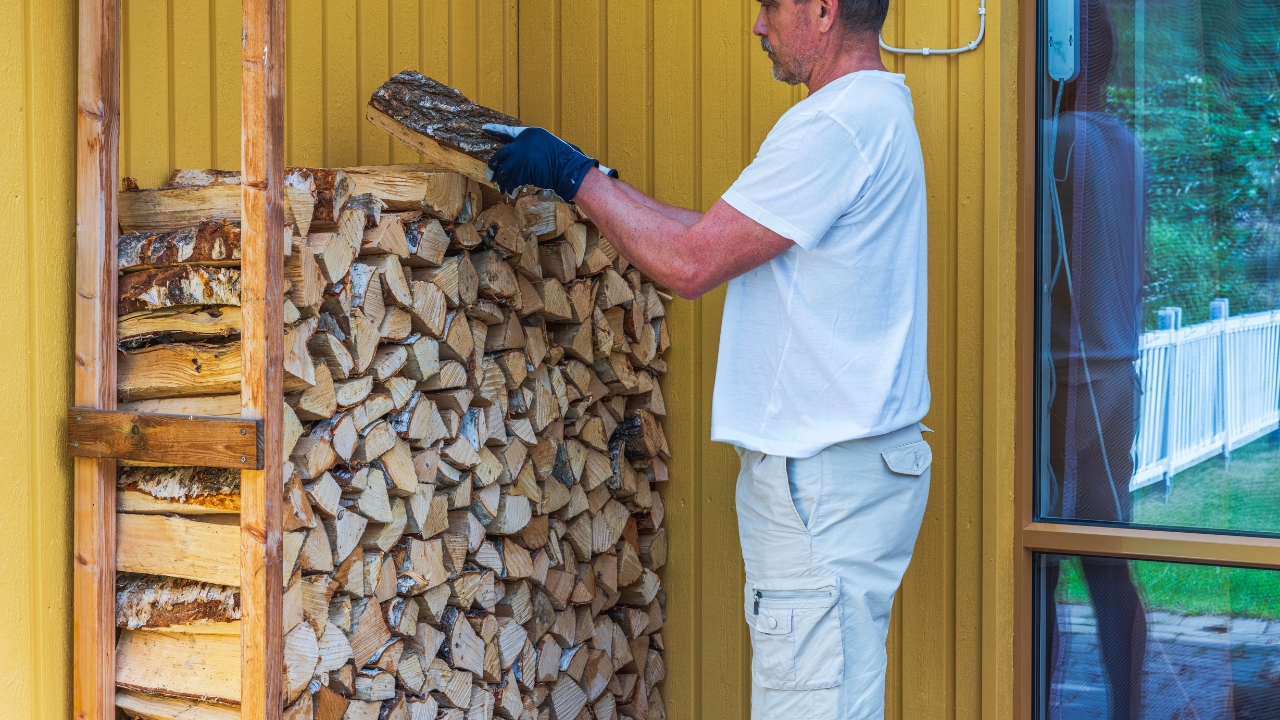
It is easy to think of climate risk as something baked into your address, yet your habits can amplify or soften that exposure in ways insurers increasingly track. When you store firewood against your siding, skip gutter cleaning, or let dry brush build up along a fence line, you increase the chance that a stray ember will turn into a structure fire. Researchers who study wildfire have described how development in areas where houses meet grasslands or forests has made rebuilding so expensive that Increasingly, Californians struggle to find private coverage at all, especially in neighborhoods where development abuts wildlands and homeowners have not hardened their properties.
Water habits matter just as much. If you ignore minor grading issues, leave downspouts dumping water right at your foundation, or put off repairs after a small leak, you raise the odds that a routine storm will turn into a major claim. Analysts who track the property market have already linked rising insurance costs in flood- and storm-exposed regions to falling home values, including one coastal area where prices dropped by 38 percent after repeated disasters. When your daily maintenance choices push you closer to that edge, you give your insurer more reason to worry that you will be the next expensive payout.
DIY upgrades that look like red flags from the insurer’s desk
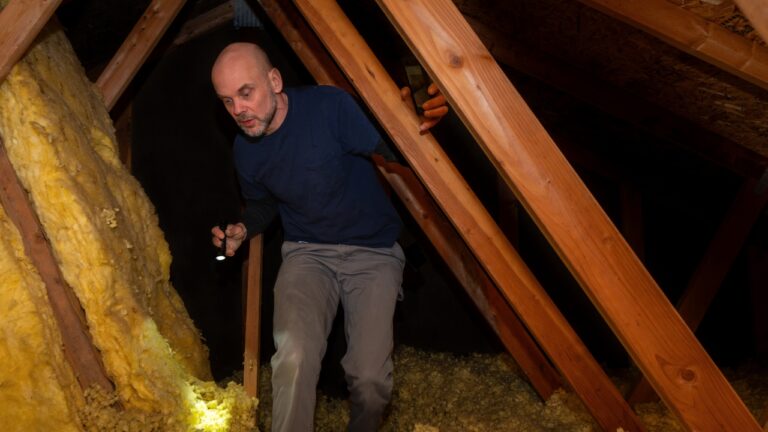
From your perspective, weekend projects can feel like pure value added. From an underwriter’s perspective, they can look like a list of new ways for things to go wrong. If you finish a basement without permits, add walls that hide plumbing, or install your own recessed lighting, you create hidden electrical and water risks that are hard to inspect and expensive to repair. One major home insurance brand has warned that finishing a basement can significantly increase the chance of water damage and may raise the water portion of your homeowners premiums, especially if you add bathrooms or laundry rooms in that space, and it has highlighted that finishing a basement is another common driver of higher costs in Home Features Insurance.
Electrical and structural changes draw just as much concern. When you swap out your own breaker panel, run new circuits for a workshop, or knock down a load bearing wall to open up a kitchen, you move into territory that insurers usually expect licensed professionals to handle. If an inspection or claim adjuster later discovers unpermitted work, you risk coverage disputes or nonrenewal. Industry guidance for homeowners stresses that you should disclose major renovations, pull permits when required, and keep documentation, because undisclosed projects can lead to reclassification of your risk and higher pricing once an insurer uncovers the changes through inspection or claims review.
Play structures, pools and “fun” features that keep actuaries up at night
Some of the most beloved home features from your family’s point of view look like pure liability cost to your insurer. Backyard trampolines, above ground pools, and elaborate play structures all increase the chance that a guest or neighborhood child will be injured on your property. A widely circulated breakdown of risky home amenities lists trampolines, diving boards, and unfenced pools among the features companies worry about most because they combine high injury rates with frequent lawsuits, and it explains that these items can lead to higher premiums, coverage exclusions, or even outright denials for new policies in home features insurers.
Layout decisions around those features matter too. If you skip a four sided fence around a pool, leave gates propped open, or let play equipment sit on hard surfaces instead of impact absorbing mulch, you signal to insurers that you are not managing that risk carefully. That impression can be reinforced if you post photos of large parties around the pool or kids using equipment in obviously unsafe ways, because claim investigators increasingly review public social media after accidents. While policies vary, many companies now require specific safety measures such as self latching gates or locked pool covers as a condition of coverage, and failure to comply can give them a reason to cancel or refuse to renew.
How aerial imagery and data mining expose your “private” habits
You may assume that what you do in your backyard is invisible unless a neighbor complains. Insurers no longer see it that way. Companies now buy high resolution aerial imagery that lets them spot new roofs, pools, trampolines, dead trees, and even debris piles without ever sending a human inspector. One investigation described how, on any given day, an insurer can scan thousands of homes and identify properties with overgrown vegetation or unapproved structures, and it reported that Two companies confirmed using aerial photos to help decide whether they will renew coverage, according to insurance companies using.
The data does not stop with pictures. Insurers also pull information from building permit databases, credit files, and sometimes third party water leak or security sensors that you install. If you repeatedly ignore recommended repairs after inspections, or if your property shows up in datasets that track frequent minor claims, you can be flagged as a higher risk even without a catastrophic loss. Industry analysts have noted that renewals go up for all kinds of reasons that have nothing to do with a single homeowner’s last claim, and that Renewals can be repriced aggressively when new data suggests a cluster of small but persistent risks in a given area or customer segment.
Ignoring maintenance in an era of soaring replacement costs
Putting off a roof replacement or skipping HVAC service used to be the kind of corner cutting that might cost you comfort but not coverage. That calculus has shifted as rebuilding a damaged home has become dramatically more expensive. The Insurance Information Institute has reported that replacement costs for homes increased 55% from 2019 through a recent period, based on a study it conducted, which means every neglected leak or aging system now carries a much bigger potential payout for your insurer.
Insurers have responded by tightening their expectations around basic upkeep. Guidance from consumer facing experts now urges you to document roof age, plumbing upgrades, and electrical work, and to be ready for periodic inspections where companies check that your systems are in good shape. One overview of the current market explains that Insurers periodically inspect the homes they insure and that you should get ahead of the problem by addressing worn roofs, outdated wiring, and old water heaters before those visits, advice that appears in a section titled Get ahead of. If you ignore that kind of maintenance, you not only increase the chance of a claim, you also give your insurer a clear, documented reason to hike your premium or walk away.
How your location choices and daily routines intersect
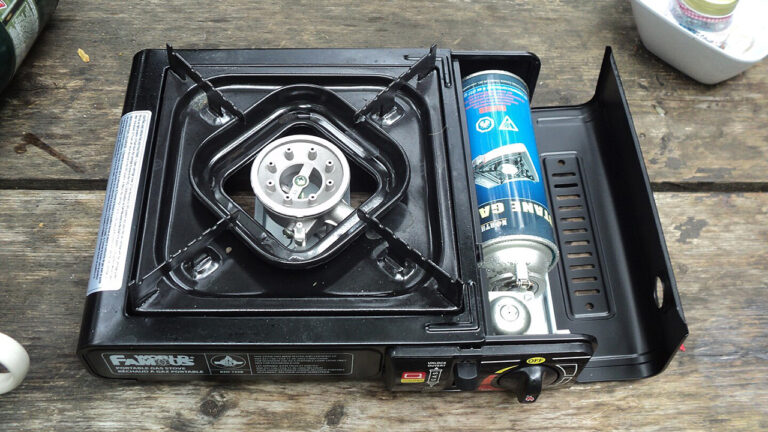
Where you choose to live still dominates your risk profile, but your habits can either aggravate or soften what your ZIP code predicts. Analysts who study the sector have pointed out that the single biggest factor disrupting home insurance is the increasing frequency and severity of natural disasters, and that this pressure is now affecting homeowners regardless of location or risk level, a trend examined in an analysis of How the US market is being reshaped. If you live in a wildfire interface zone and also store propane tanks under your deck, or if you live near a river and also keep valuables in an unfinished, unprotected basement, you compound the baseline hazard your address already carries.
In some regions, those combined choices now determine whether you can get private coverage at all. Research into the California market has shown that Increasingly, Californians struggle to find private insurance to rebuild, in large part because no one wants to insure homes in the highest risk fire areas, especially where development abuts wildlands and homeowners have not invested in defensible space or hardened materials, a pattern described in Here. If you are shopping for a home, consumer guides now suggest that you enter your address into tools like Free Home Risk or Risk Factor before you buy, so you can see how flood, fire, and wind scores might interact with your own habits and budget, advice that appears in a guide that tells you to Enter your home into a risk calculator before committing.
The economic squeeze behind stricter scrutiny of your home
Even if you maintain your property meticulously, you are living through a structural insurance crunch that makes underwriters more sensitive to every hint of risk. A business update from State Farm General Insurance Company cited historic increases in construction costs that outpaced inflation, along with more frequent severe weather, as reasons it needed to rethink how it writes and renews policies, according to a detailed review of the risky business of. When the cost to rebuild a typical house jumps sharply, your insurer has less room to absorb even small, avoidable losses.
Industry wide data backs up that pressure. The Insurance Information Institute, which tracks claims and pricing, has highlighted how rising replacement costs, more intense storms, and higher reinsurance bills are all feeding into what many experts now call a home insurance crisis, and it has used its platform at Insurance Information Institute to explain why premiums are climbing so quickly. In that environment, your individual habits, from whether you install water sensors to how fast you respond to recommended repairs, become a convenient filter for companies deciding which customers are worth keeping when they must shrink exposure.
When your insurer walks away and what you can still control
For some homeowners, the most unnerving development is not a higher bill but a nonrenewal notice that arrives with little explanation. One Texas homeowner described how They recently notified me they are pulling out of my area of Texas, so I am shopping, however my broker says no one is interested, and noted that they had only one small prior claim that was recorded as a 0 pay, in a discussion titled recently notified me. Situations like that reflect both regional catastrophe exposure and the way insurers now use data to exit entire pockets of risk at once, rather than judging you only on your personal history.
You still have levers to pull, especially if you act early. Consumer advocates recommend that you shop around before your renewal date, improve visible risk factors such as roof condition and defensible space, and ask your agent which specific issues triggered concern. In states where private markets have thinned out, you may need to turn to last resort options such as the California FAIR Plan, which the state describes at California FAIR Plan as a bare bones fire policy that can be combined with a separate wraparound policy for other perils. While you cannot change regional wildfire or hurricane patterns, you can still influence how you look on an underwriter’s screen by aligning your home habits with what insurers now reward.
Practical moves that calm insurers and protect your future self
Like Fix It Homestead’s content? Be sure to follow us.
Here’s more from us:
- I made Joanna Gaines’s Friendsgiving casserole and here is what I would keep
- Pump Shotguns That Jam the Moment You Actually Need Them
- The First 5 Things Guests Notice About Your Living Room at Christmas
- What Caliber Works Best for Groundhogs, Armadillos, and Other Digging Pests?
- Rifles worth keeping by the back door on any rural property
*This article was developed with AI-powered tools and has been carefully reviewed by our editors.