The “not urgent” fixes that are getting expensive fast
Photo credit: Bilanol/Shutterstock.com
Every time you tell yourself a repair is “not urgent,” you quietly accept a higher price tag later. Small leaks, hairline cracks, and warning lights rarely stay small, and the gap between a quick fix and a full replacement can run into thousands of dollars. When you treat these issues as optional, you are effectively choosing the most expensive version of the problem.
By changing how you decide what counts as an emergency, you can stop these slow-motion budget disasters before they mature. That means treating certain “minor” home and car issues as time sensitive, even when they are not yet disrupting your daily routine.
How “not urgent” thinking drains your wallet
Most people sort problems into two buckets in their head: true emergencies and everything else. Financial planners describe a non-emergency as a situation that feels inconvenient but does not immediately threaten your ability to cover basic necessities, which is how other hand a non-emergency is defined. That framing is useful for deciding when to tap your emergency fund, but it can mislead you into thinking slow-building damage is harmless to ignore.
When you label a roof stain, a shaky HVAC cycle, or a blinking check engine light as “not urgent,” you essentially give the problem permission to grow. You delay calling a contractor, skip the mechanic visit, and tell yourself you are being responsible by avoiding “unnecessary” spending. In reality, you are creating a pipeline of future high-cost failures that will show up all at once, often at the worst possible time, and they will not care that you originally filed them under “everyday hiccups.”
The home systems most likely to punish delay
Some parts of your home are remarkably forgiving if you procrastinate, like scuffed paint or dated light fixtures. Others respond to delay with brutal price inflation. Common big-ticket repairs include structural work, roof replacement, major plumbing issues, and full HVAC failures, which routinely rank among the most expensive home you will ever face. These are exactly the systems where a small, early intervention can keep you out of five-figure territory.
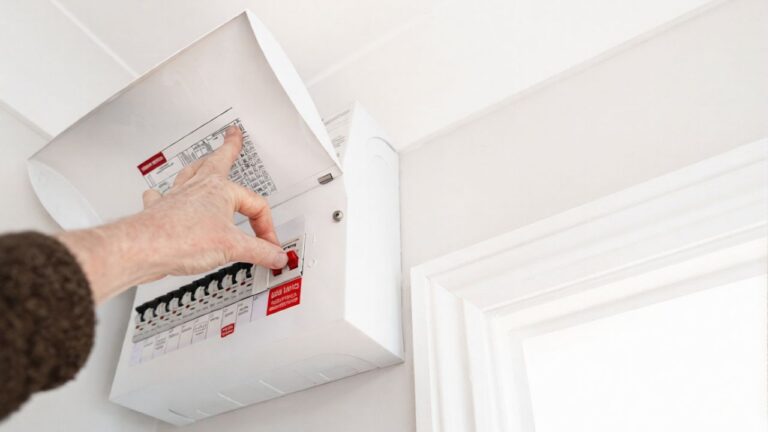
Because these components are interconnected, ignoring one issue often creates another. A slow plumbing leak can weaken framing, which then shows up as foundation movement or drywall cracks. A neglected HVAC unit can trip breakers, damage ductwork, and spike your energy bills long before it finally dies. When you view each “not urgent” defect in isolation, you underestimate how quickly the combined damage can snowball into a full-blown renovation bill.
Foundation cracks: the classic “fix it later” trap
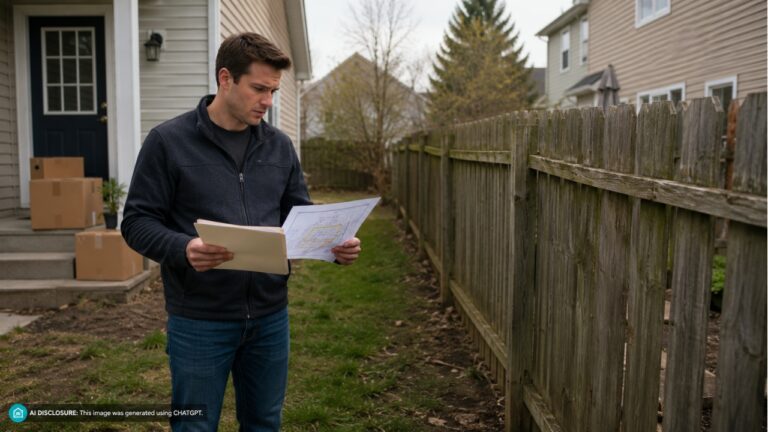
Hairline cracks in a basement wall or slab can look cosmetic, especially if you live with them for a while. In reality, your foundation supports every other part of your house, so even minor movement can have expensive ripple effects. Specialists warn that a minor vertical crack might be relatively low cost to seal if you address it early, but that same crack can widen as water pressure and soil movement increase, which dramatically raises the repair bill and can lower your resale value.
You see this play out when moisture seeps through an ignored crack, then freezes and thaws, slowly prying the gap wider. Over time, that small defect can evolve into bowing walls, uneven floors, and doors that no longer close properly. Companies that focus on structural repair, such as the team behind foundation cracks, routinely show how a quick injection or seal job could have avoided the need for piers, wall anchors, or full excavation. By the time you finally treat the issue as urgent, you are not just paying for the crack, you are paying for years of avoidable collateral damage.
Roof “pinholes” that become five-figure problems
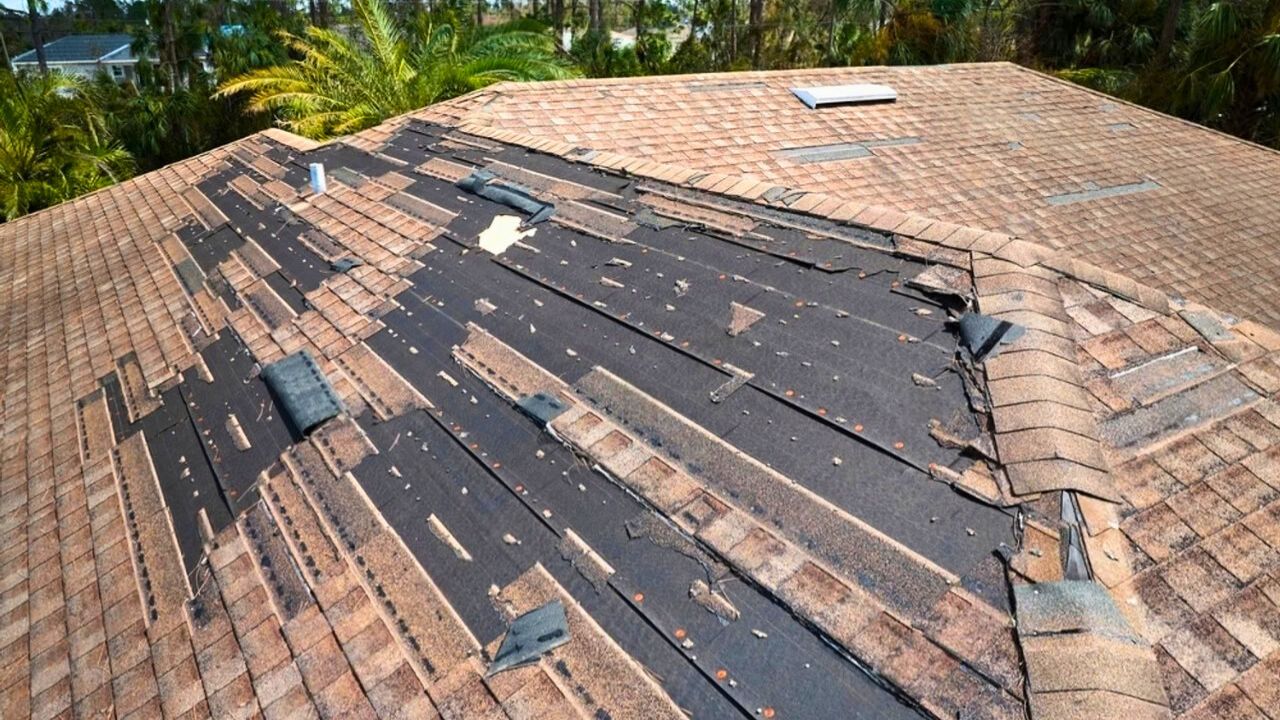
Roof issues are another place where your eyes can mislead you. A missing shingle, a tiny puncture after a storm, or a faint stain on a bedroom ceiling can feel like a minor annoyance, especially if it stops dripping once the weather clears. Yet roofing contractors constantly warn that telling yourself “It’s not that bad… I’ll deal with it later” while looking at a small roof issue is exactly how you invite a hefty home repair bill, as one Jan post about Little roof damage makes painfully clear.
Roofers who work coastal markets describe the same pattern: you wait until after the next storm to “see if it gets worse,” then discover rotted decking, soaked insulation, and mold remediation on top of the original repair. Short clips from contractors show homeowners who thought they were saving pennies by delaying roof repairs, only to learn that the real wallet drainer was the water that had been sneaking in for months. When you compare the cost of a simple patch to the price of a full tear-off and replacement, plus interior repairs, the logic of early action becomes obvious even if the initial flaw looked tiny.
HVAC, water heaters, and other “background” workhorses
Heating and cooling systems rarely fail without sending up flares first. You might notice uneven temperatures, short cycling, strange noises, or higher utility bills long before the unit quits entirely. Service data show that catching these warning signs early can keep you in the territory of straightforward HVAC repair instead of full system replacement, which can cost several thousand dollars according to typical HVAC repair cost ranges. When you ignore the symptoms, worn components strain the rest of the system and shorten its life.
Water heaters behave the same way. Small puddles around the base, rusty water, or inconsistent hot water are early indicators that the tank or valves are failing. If you respond promptly, you might get by with an anode rod replacement or valve repair. If you wait until the tank bursts, you are suddenly paying for emergency plumbing labor, a new unit, and water damage remediation. That is why some home service companies frame certain repairs as “affordable” only if you act quickly, and highlight how DIY fixes Simple maintenance and Financial assistance from Government programs can keep you on top of safety and long-term value instead of waiting for a catastrophic failure.
Car repairs: why small leaks and lights cost so much later
Your car gives you even clearer warnings than your house, but it is just as easy to dismiss them. A check engine light that “comes and goes,” a faint burning smell, or a few drops of oil on the driveway can feel like quirks, especially if the vehicle still runs. Yet guidance for drivers is blunt: Ignoring Small Leaks Oil or coolant spots under your car are never “normal,” and Even small drops hint at gasket or pump failures that can snowball into very expensive repairs if you keep driving, as explained in advice on Ignoring Small Leaks.
Shops that specialize in preventative maintenance warn that Winter is coming do not make the most common mistake by ignoring those driveway drips. Small oil and coolant leaks can cause HUGE EXPENSIVE PROBLEMS later, as one coupon page for Winter service bluntly puts it. That is not marketing drama. Low fluid levels could lead to further damage and potential engine failure if left unaddressed, which is exactly how Low fluid neglect in transmissions becomes a full engine Failure situation.
Why modern car breakdowns are getting pricier
Even if you catch problems early, you are living in a world where car repair costs are rising. Analysts point out that, Aside from older cars on the road, a lack of technicians, and advanced vehicle tech, there is another huge factor driving up repair bills: imported parts are more expensive, as detailed in coverage of Aside from those pressures. That means every delay multiplies against a higher baseline cost.
Modern automotive technology makes newer cars more complex. Diagnosing and fixing issues require specialized tools and technicians, and many components are no longer simple, modular parts you can swap cheaply, as explained in detail under Modern vehicle repair challenges and the way Diagnosing and troubleshooting now work. When you combine this complexity with chronic under-maintenance, you end up in the territory of the most expensive breakdowns, such as Engine Failure or a Crack in the Head Gasket or Engine Block, which are highlighted among the Engine Failure scenarios that can easily total an older car.
The psychology that keeps you postponing repairs
Once you understand the technical side, you still have to wrestle with your own habits. You might tell yourself you are “waiting for a better month” or that you will call a pro if the issue happens again. Contractors see this pattern constantly, especially with roofs and foundations. Short clips from roofing companies show homeowners staring at a tiny roof issue and saying they will deal with it later, only to discover that those extra months invited a hefty bill, as highlighted in a “It’s not urgent…” reel that captures the moment a casual decision becomes a financial shock.
Part of the problem is that you do not see the damage progressing. Water behind a wall, rust inside a tank, or wear inside an engine is invisible, so your brain assumes nothing is changing. Social media posts from contractors hammer this home, asking, Are you going to wait until after the next storm hits to worry about that tiny roof issue, and reminding you that Think you are saving pennies by delaying your roof repairs, Think again, and Remember that the real wallet drainer is the hidden spread of water and rot, as captured in Are you going to wait clips and Think and Remember style warnings. Once you recognize this bias, you can start treating invisible progression as a reason to act, not an excuse to stall.
Turning “someday” fixes into smart money moves
To break the habit of expensive procrastination, you need a simple way to sort which “not urgent” issues actually demand quick attention. One practical approach is to flag anything that can spread (like water, rust, or structural movement), anything that protects other assets (like your roof, foundation, or engine fluids), and anything tied to safety. Those items move to the front of the line, even if they are not yet emergencies in the classic sense. You then budget for them the way you would for a necessary bill, not as an optional upgrade.
At the same time, you can save money by handling low-risk tasks yourself. Guides to affordable home repairs point out that DIY fixes Simple repairs like caulking, painting, and replacing hardware can cost under $100, which frees up cash to put toward the professional work you cannot ignore, and they also highlight how Financial assistance and Government programs can help when bigger projects are unavoidable, as described in advice on affordable home repairs. For your car, that same logic means scheduling regular oil changes, checking fluids, and scanning for warning codes before they cascade into the most expensive car repairs, which often involve engines, transmissions, or advanced electronics, as detailed in breakdowns of the most expensive car.
Building a maintenance routine that actually protects you
Once you know which problems punish delay, you can design a maintenance routine that keeps them from surprising you. For your home, that might mean a yearly roof inspection, a foundation check if you live in an area with clay soils that shrink and swell, and a schedule for HVAC tune-ups before peak seasons. Structural experts track how clay shrink swell behavior can stress foundations over time, as shown in research on clay shrink-swell, which is exactly the kind of slow process you will not notice until cracks appear unless you stay ahead of it.
For your car, a similar routine might include a monthly driveway scan for spots, listening for new noises, and addressing any dashboard light within a week instead of waiting. You can also learn from lists of the most expensive breakdowns which components you should baby, such as the engine, transmission, and cooling system. When you combine that knowledge with a habit of early action, you dramatically reduce the chance that a “not urgent” annoyance will grow into a financial emergency. Instead of reacting to disasters, you start using small, planned interventions to protect your budget and your peace of mind.
Like Fix It Homestead’s content? Be sure to follow us.
Here’s more from us:
- I made Joanna Gaines’s Friendsgiving casserole and here is what I would keep
- Pump Shotguns That Jam the Moment You Actually Need Them
- The First 5 Things Guests Notice About Your Living Room at Christmas
- What Caliber Works Best for Groundhogs, Armadillos, and Other Digging Pests?
- Rifles worth keeping by the back door on any rural property
*This article was developed with AI-powered tools and has been carefully reviewed by our editors.