The silent home problems people are discovering too late
Photo credit: knelson20/Shutterstock.com
Serious home problems rarely arrive with fanfare. They creep in quietly through hairline cracks, faint stains, and small annoyances that are easy to dismiss until you are staring at a five-figure repair bill. If you learn to read those subtle signals early, you give yourself a chance to fix issues on your terms instead of reacting in a panic after the damage is done.
The most expensive surprises usually start as “silent” problems that you either do not see or do not understand. By training your eye and ear for these warning signs, you protect your investment, your health, and your peace of mind long before a contractor has to deliver bad news.
1. When your house starts whispering instead of shouting
You interact with your home every day, which makes it surprisingly easy to stop really looking at it. A tiny crack in the drywall, a door that sticks on humid days, or a faint musty smell in one corner can fade into the background of your routine. Yet those small changes are often your first hint that something deeper is shifting behind the walls or under the floors, long before dramatic failures appear. That is why you need to treat subtle changes as data points instead of background noise.
Home experts point out that early clues can be as understated as slight drywall cracks, minor sloping in floors, or doors that suddenly start rubbing against their frames, all of which can signal that the house is settling in ways that may affect the structure. Other quiet warnings include faint discoloration on ceilings, a barely audible dripping sound at night, or a light switch that occasionally flickers. When you treat these details as a running report from your house rather than cosmetic quirks, you give yourself time to investigate, call in help, and stop a small defect from turning into structural damage.
2. Foundations: the biggest red flag you cannot ignore
If there is one silent problem you should treat as an emergency, it is anything that hints at foundation trouble. The ground under your home moves slowly, and your foundation responds just as slowly, which means the first hints can look trivial. A thin stair-step crack in brickwork, a gap opening between a baseboard and the floor, or windows that suddenly refuse to latch can all signal that the base of the house is shifting. You might be tempted to patch the crack or sand the door, but that only hides the symptom while the underlying movement continues.
Inspectors describe foundation movement as biggest red flag, since it affects every other system in the building. In one breakdown labeled The Foundation Problem That Haunts Homebuyers Everywhere, foundation concerns are categorized by Red Flag Category and Severity Level to show how quickly they can escalate if ignored. Other specialists explain that, if foundation issues are left unaddressed, this can compromise the structural integrity of your home and turn into a major safety risk rather than just a cosmetic concern. When you see cracks that widen over time, doors that go from sticky to jammed, or floors that feel like a gentle ramp, you should stop thinking about touch-up work and start thinking about structural evaluation before the next season brings more movement.
3. Water: the quiet destroyer behind walls and under roofs
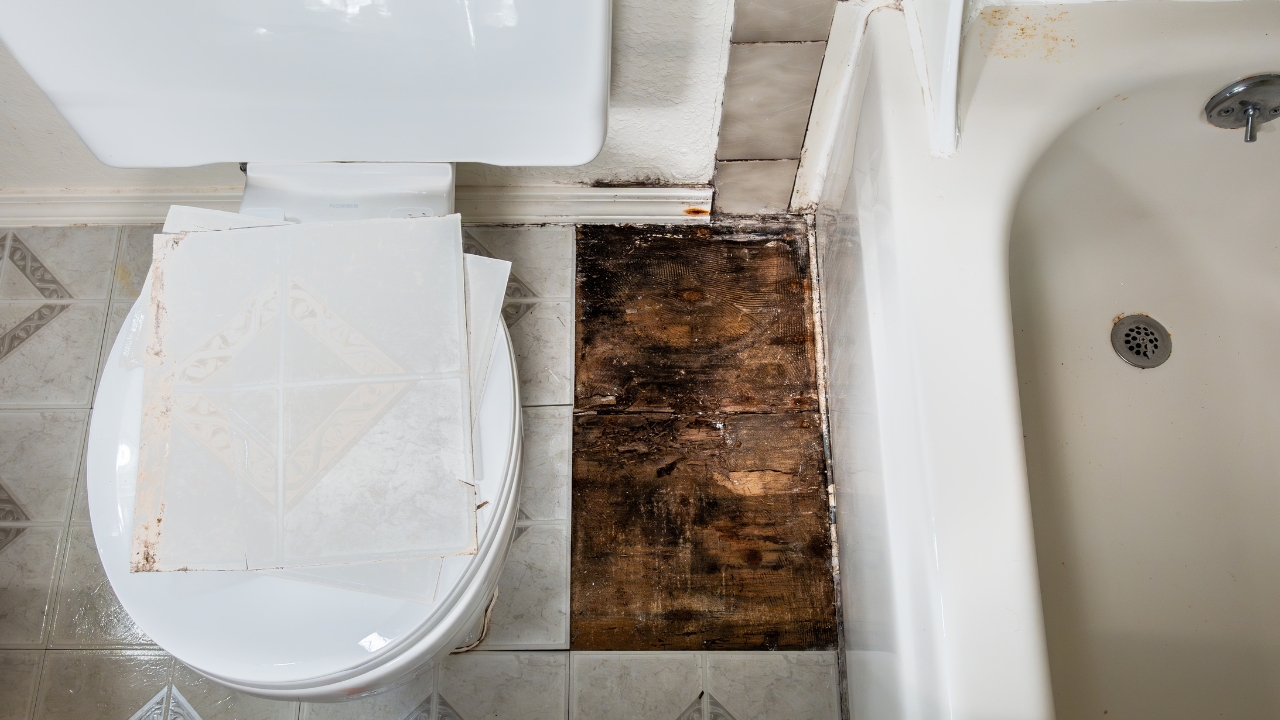
Water rarely announces itself with a dramatic gush. Instead, it seeps, wicks, and condenses in places you do not see, quietly weakening framing, feeding mold, and rotting finishes. The earliest clues often look harmless: a faint yellowish ring on a ceiling, a bubble in the paint above a window, or caulk that has started to crack where a tub meets the wall. If you treat those as simple cosmetic flaws, you miss the chance to stop the leak while the repair is still relatively contained.
Specialists who track water damage warn that Bubbling Paint and Just Cosmetic Bubbling, because failed caulk around windows allows water to slip into framing where you cannot see it. Other building pros explain that yellowish-brown stains on walls or ceilings usually mean water is leaking from behind the surface, whether from a slow plumbing drip or roof penetration, and that this moisture can travel along framing and leave noticeable marks far from the actual source. Designers who work with older properties warn that a Leaking roof is especially dangerous because Water intrusion is the death of a house over time, which is why they urge you to call a local roofer or contractor as soon as you see suspicious stains or missing shingles in order to protect both old and new roofs.
4. Old houses, new surprises
If you live in an older home, you inherit character along with hidden liabilities that may have been quietly building for decades. Outdated wiring, tired plumbing, and aging roofing materials can all continue to function long after they stop meeting modern standards, which makes it easy to assume that “it has always been fine.” The risk is that these systems often fail slowly, with subtle warning signs that you only recognize in hindsight, such as slightly discolored plaster, a faint sag in a ceiling, or a breaker that trips once in a while.
Designers who focus on heritage properties list issues like a Leaking roof, brittle plumbing, and marginal insulation among the common problems with, and they repeatedly come back to Water as the long-term enemy of both old and new construction. Inspectors who walk older neighborhoods describe how deck boards, siding, or paneling can hide rotten framing, as in one account where a contractor pulled up a deck and revealed extensive decay that had been trapped beneath the boards for years. Other building pros who study Older Homes warn you to Watch Out for Hidden Problems such as buried junction boxes, ungrounded outlets, or structural alterations that were never permitted. When you own an older property, you protect yourself by assuming that anything you cannot see might be hiding a story and by budgeting for periodic professional checkups instead of waiting for something to break.
5. Exterior clues: siding, roofs, and windows that are not just “a little worn”
The outside of your house functions as its skin, and like skin, it can quietly reveal deeper problems if you know what to look for. Peeling paint, warped siding, or a strip of caulk pulling away from a window might seem like simple weathering, especially after a rough season. Yet each of those details can be an early sign that water is sneaking into the structure or that temperature swings are stressing the building envelope in ways that will eventually cost you money.
Energy and inspection specialists list things like inadequate siding, missing caulking, and poor weatherstripping among the ten most common, and they point out that Inadequate caulking and/or weatherstripping are the most common culprits behind drafts and moisture intrusion. One analysis notes that Perhaps due to overly ambitious efforts to seal homes tightly, some owners trap moisture in walls where it can quietly rot structural and non-structural elements instead of simply escaping as vapor. Another contractor, in a social media clip that asks Is your siding hiding a $10,000 secret, explains that what looks like a little dirt or bubbling paint can actually be trapped moisture behind the cladding, which means you are not looking at a cosmetic issue. You are looking at trapped moisture that can lead to mold, decay, and repairs that easily reach or exceed $10,000 if you wait too long.
6. Indoor air, toxins, and “invisible” health problems
Not every silent home problem shows up as a crack or stain. Some of the most serious threats live in your air, your dust, and your ventilation system, where you cannot see them at all. If you or your family members develop unexplained headaches, allergies, or respiratory irritation that seems worse at home, your house may be quietly affecting your health even while every surface looks clean.
Health and safety specialists who study Hidden Dangers in Your Home describe The Toxic Threats You Can See only with testing, such as elevated levels of volatile organic compounds, mold spores, or combustion byproducts that build up when ventilation is poor. In one discussion of Hidden Dangers that is no longer publicly available, experts emphasize that Your Home should be a safe haven, yet everyday materials and neglected maintenance can turn it into a source of chronic exposure. They point to issues like improperly vented gas appliances, damp basements that feed mold, and old finishes that shed dust. When you combine those insights with the subtle visual clues from other reports, such as faint water stains or musty odors, you get a clear message: you should treat unexplained health symptoms and persistent smells as seriously as you treat visible damage and consider air-quality testing, dehumidification, or professional remediation where appropriate.
7. Electrical and mechanical hints that safety is at stake
Your electrical system and mechanical equipment usually work in the background, which makes it easy to ignore small irregularities. A light that flickers when a large appliance kicks on, a breaker that trips a couple of times a month, or outlets that feel warm to the touch can all be brushed off as quirks of an older home. In reality, they can be early warnings of overloaded circuits, loose connections, or failing components that carry real fire risk if you leave them unaddressed.
Real estate advisers flag Flickering Lights Not only as a cosmetic annoyance but as a sign that wiring, panels, or connections may be undersized or deteriorating, and they caution that Fli cker linked to appliance use deserves an electrician’s attention. Inspectors who compile lists of common house problems add outdated electrical panels, amateur wiring repairs, and insufficient ventilation for combustion appliances to their red flag lists, since these systems can quietly fail without a visible crack or leak. When you notice buzzing from a panel, frequent bulb burnouts, or a furnace that smells different when it starts, you should treat those as safety clues, not just comfort issues, and bring in licensed professionals before a small defect becomes an emergency.
8. Moisture, mold, and the “just a little musty” trap
Moisture problems often live in the gray area between structure and health. A basement that smells slightly damp after rain, a bathroom fan that never seems to clear steam, or a closet that always feels stuffy can feel like minor annoyances that you simply live with. Yet those same conditions are exactly what mold and mildew need to thrive, and once colonies establish themselves behind walls or under flooring, they can be expensive to remove and disruptive to your life.
Homeowners are urged to stay alert to subtle moisture cues because, as one guide to silent warning signs explains, Homeowners should be vigilant about subtle signs of underlying issues to prevent costly repairs. That same analysis highlights how Cracks in walls, peeling finishes, and musty odors often trace back to moisture that has been present for a long time. Another inspection-focused resource on silent signs your points to things like condensation on windows, warped trim, and persistent dampness in specific rooms as clues that humidity is out of balance or that water is entering from outside. When you pair those observations with the health-focused warnings about mold and air quality, the message is clear: you should treat “just a little musty” as a call to investigate drainage, ventilation, and dehumidification instead of a harmless quirk of an older home.
9. Training yourself to catch problems early
The most effective way to avoid late discoveries is to build a simple routine that forces you to see your home with fresh eyes. A slow monthly walk-through with a notebook, inside and out, can reveal changes you might otherwise miss, from a new crack in a corner to a bit of soft wood at the bottom of a door frame. If you make a habit of photographing problem spots and checking back, you can tell whether something is stable or getting worse, which helps you decide when to call in professional help.
Like Fix It Homestead’s content? Be sure to follow us.
Here’s more from us:
- I made Joanna Gaines’s Friendsgiving casserole and here is what I would keep
- Pump Shotguns That Jam the Moment You Actually Need Them
- The First 5 Things Guests Notice About Your Living Room at Christmas
- What Caliber Works Best for Groundhogs, Armadillos, and Other Digging Pests?
- Rifles worth keeping by the back door on any rural property
*This article was developed with AI-powered tools and has been carefully reviewed by our editors.