The fixes people thought could wait — but shouldn’t have
Photo credit: Irainy/Shutterstock.com
You rarely ignore a repair because you do not care. You ignore it because you are busy, money is tight, or the problem seems small enough to live with for a while. Yet the fixes you tell yourself can wait are often the ones that quietly turn from a hundred dollar nuisance into a five figure crisis.
Putting off essential work is not just gambling with comfort. It means betting your savings, your safety, and even your ability to sell or insure your home on the hope that a leak will not spread, a crack will not widen, and a worn part will not finally fail. The record of what happens when homeowners wait too long is clear, and it is far more expensive than facing the problem early.
The psychology of “later” and why it is so expensive
You probably postpone repairs for reasons that feel rational in the moment. A study on deferred maintenance found that cost drives 60% of homeowners to hold off, even when they know something needs attention, and that same research reported that 71% of homeowners postponed at least one repair. When you are juggling bills, it is easy to tell yourself that the roof can last one more season or that the flickering outlet is just annoying, not dangerous. That instinct to protect cash in the short term is understandable, but the data on the hidden costs of waiting shows that a minor service call that typically costs around $100 can balloon into a far larger bill once damage spreads.
There is also a powerful disconnect between what you want and what you actually need to fix. A survey on homeowner regrets found that 43% of people admitted to delaying a critical repair, often because they preferred to spend on visible upgrades rather than unglamorous maintenance. You might choose a new quartz countertop while ignoring a damp crawl space or a sagging deck, then later discover that the unseen problem has undermined your foundation or created mold. That gap between preference and priority is exactly where the fixes you thought could wait quietly become the ones you wish you had tackled first.
Leaks and water damage that quietly snowball
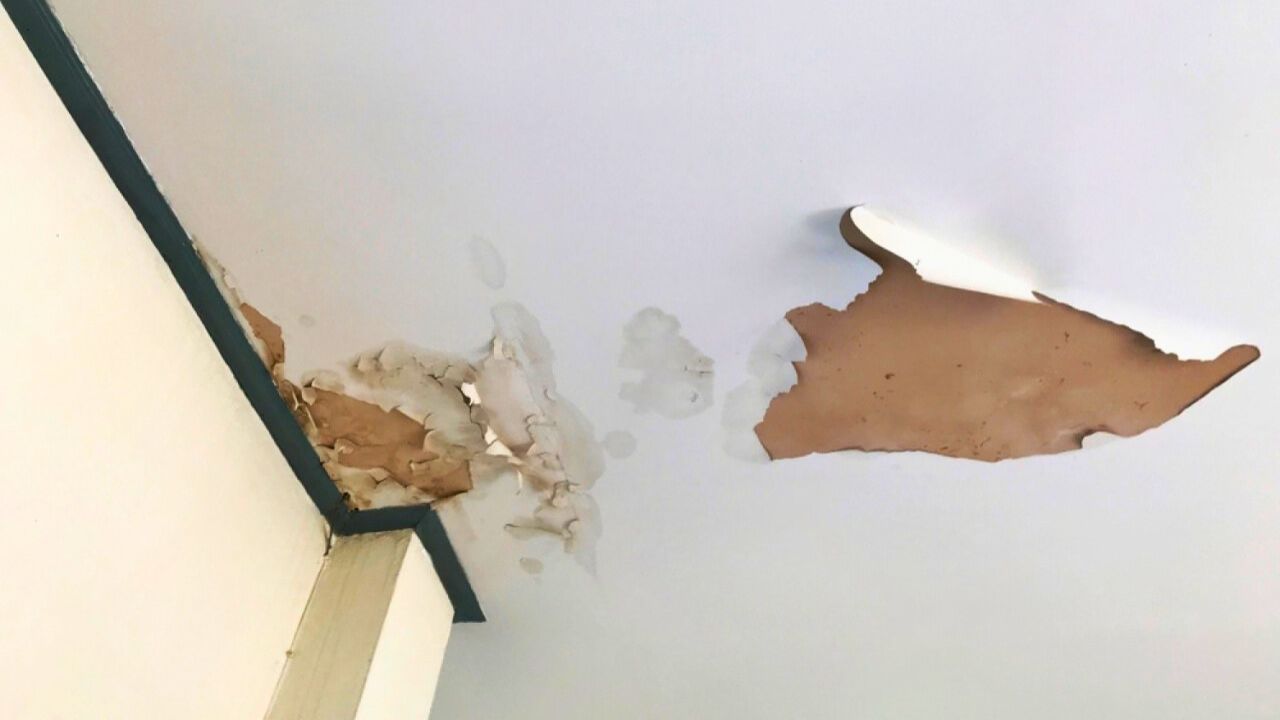
Water problems are the classic “I will get to it” repair that almost never stays small. A slow drip under a sink, a hairline crack in a supply line, or a little staining on the ceiling from the bathroom above can look like a cosmetic issue. In reality, even a small leak can soak framing, drywall, and insulation, invite mold, and eventually compromise structural elements. Guidance on repairs you should not delay singles out anything that leaks, whether it is a faucet, toilet, water heater, or ice maker, because that wasted water is not just raising your bill, it is slowly destroying materials that are expensive to replace.
Leaving a known leak in place also brings serious insurance trouble if a flood or backup occurs. One analysis of home repair costs warns that if you ignore a problem and it leads to a flood or other damage, your insurer may treat it as negligence, which can limit coverage and even open the door to a personal injury claim if someone slips or is hurt on your property. The longer you wait, the more likely it becomes that you will need a full remediation crew instead of a plumber with a wrench, and that shift can turn a simple fix into a multi room tear out.
Foundation cracks and structural problems that cannot wait
Cracks in walls, doors that stick, or floors that feel slightly uneven are easy to dismiss as quirks of an older house. Yet structural specialists warn that when you leave these issues untreated, they tend to grow into large problems that require significant intervention. Small repairs that might have been handled with localized reinforcement or sealing can escalate into major work once settling, moisture, and time have had a chance to spread the damage. At that point, you may need a professional crew to come in with piers, jacks, and excavation rather than a targeted patch.
Cost ranges for foundation work show how steep that escalation can be. Typical estimates for foundation repairs run from $2,200 to $30,000 and those figures climb quickly once your home’s structure is damaged. A few cracks in the walls could signal shifting that, if ignored, leads to bowing, sinking, and compromised framing. By the time you see clear signs like gaps around windows, large stair step cracks in masonry, or doors that will not close, you are often past the point of a minor fix. Treating those warning signs as optional is one of the most expensive gambles you can make with your house.
The roof over your head and the storm you do not see coming
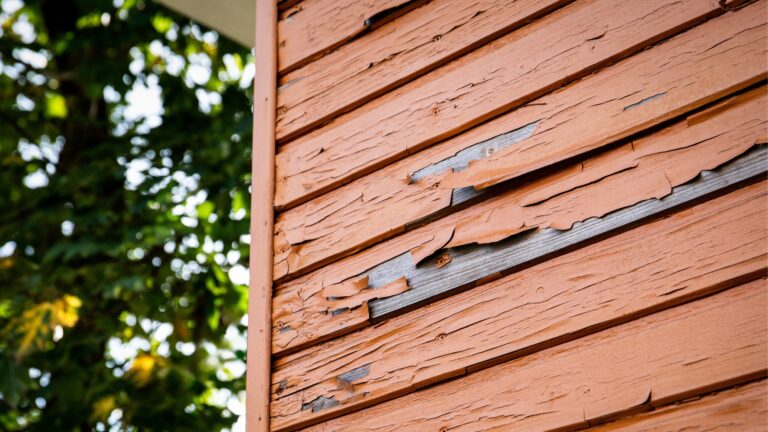
Most people notice their roof only when something goes obviously wrong, such as a leak during a storm or a missing shingle on the driveway. Yet the most expensive roof failures usually start years earlier with small issues like cracked flashing, a few damaged shingles, or clogged gutters. Advice on costly home repairs points out that roof repair sits at the top of the list, because maintenance is critical to avoid full replacement. If you let minor problems ride, water can slip under the surface, rot decking, and saturate insulation, so what could have been a targeted patch turns into a tear off of multiple layers.
Once water has made its way into attic spaces, you are no longer just paying for roofing. You may be dealing with ruined insulation, damaged wiring, and stained ceilings or walls throughout your home. That kind of cascading damage also tends to surface at the worst possible time, such as during a heavy storm or when you are trying to sell. Buyers and inspectors rarely overlook roof issues, and insurers can raise premiums or limit coverage for neglected maintenance. Treating the roof as a “when it fails, I will deal with it” item leaves you exposed to both sudden emergencies and long term costs.
Mechanical systems that fail when you need them most
Your heating and cooling equipment works quietly in the background until the day it does not. You might hear a new noise from the furnace, notice a slight drop in cooling performance from the air conditioner, or see a small rust stain near the water heater and decide to watch it rather than schedule service. Guidance on the most expensive home repairs highlights that replacing a furnace or central AC system is one of the costliest projects you can face, and that these systems need regular attention to keep running safely and efficiently. When you ignore early warning signs, you often push the unit to run harder, which accelerates wear and shortens its lifespan.
Water heaters are another classic example of a fix you think can wait. Common water heater problems such as sediment buildup, a failing pressure relief valve, or small leaks around fittings can often be addressed relatively cheaply if you act quickly. If you do not, the tank can rupture, releasing dozens of gallons of water into your home and potentially causing significant damage to floors, walls, and belongings. That scenario can also intersect with the insurance concerns around known leaks, leaving you to shoulder a larger share of the cleanup and replacement cost. Regular maintenance and prompt repairs on mechanical systems are far less expensive than emergency replacements on the coldest or hottest day of the year.
The financial trap of deferred maintenance
When you choose to postpone maintenance, you are often reacting to immediate financial pressure. Research into homeowner behavior shows that Financial concerns drive 60% of people to defer maintenance, and that procrastination and lack of time are also major factors. You might look at a $100 service visit and decide that money is better spent on groceries or a car payment. Yet the same analysis of the hidden costs of waiting found that putting off basic work often leads to repairs that cost homeowners thousands, far beyond what routine maintenance would have required.
The pattern is similar across different types of homes and budgets. A review of deferred maintenance impacts notes that Every year, millions of homeowners discover the price of ignoring small issues, from peeling caulk and minor plumbing problems to worn electrical components. Property value impact analysis shows that consistent care can add value for every $1 invested, while neglect tends to drag down both appraisals and buyer interest. When you frame maintenance as an investment rather than a sunk cost, the math shifts. Spending modest amounts regularly protects you from sudden, budget shattering surprises and keeps your home more comfortable and affordable over time.
Safety risks you underestimate when you “live with it”
Delaying repairs is not just a money problem, it is a safety issue. Reporting on homeowner behavior describes how a growing number of people are actively delaying essential maintenance, which has led to rising safety concerns and financial risks. When you ignore a wobbly handrail, a loose step, or a cracked walkway, you increase the chance of falls and injuries on your property. If a guest or delivery driver is hurt because of a hazard you knew about and did not fix, you could face liability that far exceeds the cost of repair.
Electrical and fire hazards often start with issues that seem minor. An out of date electrical system might appear to work fine, yet one expert explanation notes that it could be quickly improved with new circuit interrupters that reduce the risk of shock or fire. If you skip that upgrade and an overloaded circuit sparks a blaze, you may confront not only property damage but also questions from insurers about whether you took reasonable steps to keep the home safe. Other analyses of delayed repairs highlight dangers such as increased water bills from leaks, hidden mold growth, and even heightened fire hazards when damaged components are left in place. Choosing to “live with” these problems means accepting risks that grow over time, even if the symptoms seem manageable day to day.
How delay erodes comfort, value, and peace of mind
Beyond emergencies, deferred maintenance quietly reshapes how you feel in your own home. Guidance on the hidden costs of delaying repairs points out that postponing work does not just hurt your wallet, it also keeps your home less comfortable and less affordable. Drafty windows, underperforming insulation, and aging HVAC systems make every season harder to manage, so you pay more on utilities while still feeling too hot or too cold. Over time, that chronic discomfort wears on you and your family, even if you rarely connect it directly to the repairs you have been putting off.
Professionals who focus on timely repairs emphasize Long Term Savings Through Early Intervention, explaining that when you intervene early, you greatly reduce the risk of extensive damage and protect both your budget and your peace of mind. Advice on home safety also stresses that Small Issues Lead to Big Problems, and that safety is not just about alarms or locks, it is proactive decision making instead. By staying ahead of problems, you avoid the stress of surprise failures, the disruption of major construction, and the anxiety of wondering what an inspector or buyer will find. In that sense, prompt fixes are less about perfection and more about giving yourself the confidence that your home is working for you rather than waiting to ambush you.
Turning “I will get to it” into a practical repair plan
You cannot fix everything at once, and you do not need to. The key is to replace vague intentions with a clear plan that ranks repairs by risk and cost. Start by walking through your home with a notebook and listing anything that leaks, anything that feels unstable, and any crack or stain that has changed over time. Use that list to prioritize structural issues, water problems, and safety hazards at the top, since guidance on structural repairs and leaks consistently shows that these are the most expensive and dangerous to ignore. Then schedule at least one item each month, even if it is as simple as a service visit for a suspicious noise or a small plumbing fix.
Like Fix It Homestead’s content? Be sure to follow us.
Here’s more from us:
- I made Joanna Gaines’s Friendsgiving casserole and here is what I would keep
- Pump Shotguns That Jam the Moment You Actually Need Them
- The First 5 Things Guests Notice About Your Living Room at Christmas
- What Caliber Works Best for Groundhogs, Armadillos, and Other Digging Pests?
- Rifles worth keeping by the back door on any rural property
*This article was developed with AI-powered tools and has been carefully reviewed by our editors.