The $2,000 repair homeowners didn’t see coming
Photo credit: shulers/Shutterstock.com
You expect a new roof, a fresh floor, or a working garage door to come with a clear price and a clear outcome. Instead, more homeowners are discovering a hidden second bill that can easily top $2,000, often tied to structural fixes, plywood replacement, or surprise code upgrades that were never part of the original conversation. You feel blindsided, the contractor insists the extra work was obvious, and suddenly the real project is not the repair itself but the fight over who pays.
That gap between what you think you are buying and what actually needs to be fixed is where costly disputes live. Combine vague estimates, rushed decisions during emergencies, and fine print that favors the contractor, and you have the perfect setup for a repair you did not plan for and a bill you cannot ignore.
The hidden repair that turns a simple job into a $2,000 shock
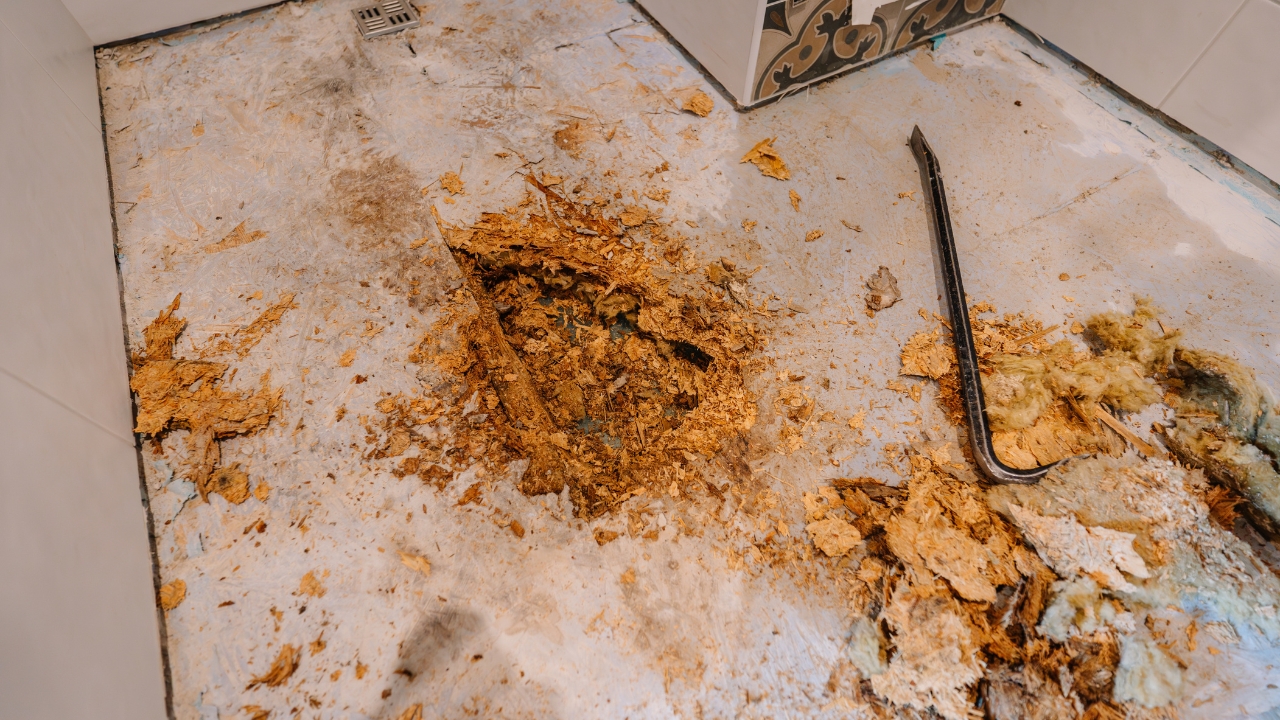
When you sign off on a home project, you usually focus on the visible work, such as shingles, flooring, or a new garage spring. The structural pieces underneath, like plywood sheathing or framing, stay out of sight and out of mind until a contractor tears into your home and claims the underlying material is rotten, unsafe, or not up to code. That is where a modest job can suddenly require an extra $2,000 or more, because replacing structural components often demands more labor, more materials, and sometimes specialized permits that were never part of your original plan.
In one viral dispute, a contractor described how a $3,000 upcharge for plywood became the flashpoint after the visible work was already underway. The story captured a familiar pattern for you as a homeowner: you decline an expensive add on, the contractor proceeds, damage or failure appears, and suddenly both sides argue over who should have anticipated the risk. The extra cost is not just a number on an invoice, it represents a breakdown in planning and communication that leaves you feeling you were never given a fair chance to budget for the real scope of the job.
Why contractors push structural add ons after work begins
From the contractor’s perspective, structural add ons often come packaged as safety necessities. Once a roof is stripped or a floor is opened, damaged sheathing, undersized framing, or old wiring becomes visible, and a responsible professional does not want to cover it back up. You may hear that the job cannot be warranted unless the hidden problem is fixed, or that local codes require new plywood or fasteners. The contractor then frames the extra charge as a non negotiable condition for doing the work at all, which puts you in a tight spot if your home is already partially dismantled.
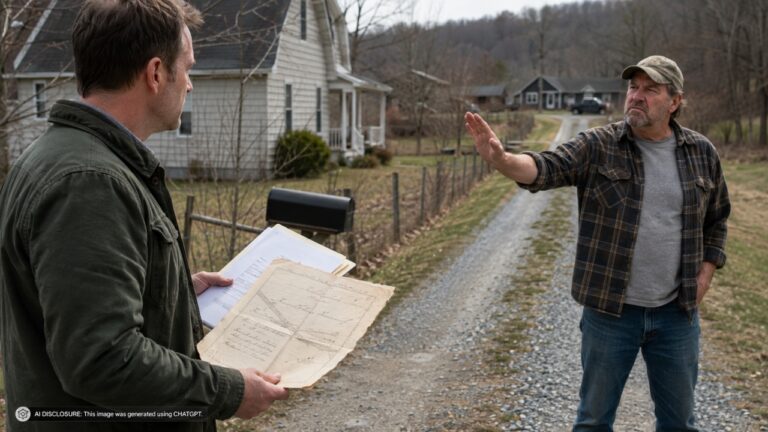
Another story circulating among tradespeople involved a Homeowner refused to for plywood, then later blamed the contractor when problems surfaced. You can easily see how the incentives collide. The contractor wants to protect their reputation and limit liability, so they push for more work. You want to control costs and avoid feeling upsold, so you resist. Without a detailed written scope that spells out what happens if hidden damage is found, the argument over that extra $2,000 becomes almost inevitable.
When a $10,000 roof and a $2,000 dispute collide
Roofing is one of the most common places where you run into surprise structural charges. You may sign a contract that lists shingle type, color, and a total price, then only discover later that the plywood deck underneath is soft, undersized, or improperly spaced. At that point, you are already committed to the project, and the contractor might tell you that the roof cannot be finished without replacing the sheathing. If you are staring at a stripped roof and a storm in the forecast, you have little leverage to negotiate the extra cost.
In one account, a frustrated owner described how they not only could not afford the $10,000 to replace a roof but also felt they should not have to pay for defects that should have been addressed earlier. You might feel the same way when you inherit past neglect from previous owners or prior contractors. The financial pressure is intense, because you cannot simply defer a half finished roof. The only real protection you have is to insist on inspection photos, a line item for potential sheathing replacement, and a clear explanation of how any additional charges will be calculated before the first shingle comes off.
How garage and small repairs quietly balloon into four figures
It is not only big ticket jobs that generate surprise structural costs. Even a small repair, such as a broken garage door spring, can turn into a four figure bill if you are not careful about who you hire and what they are authorized to do. You might call for a simple spring replacement and later learn that the company installed different parts, claimed additional damage, or charged premium rates that were never discussed. By the time you see the invoice, the work is finished and the old parts are gone, which makes it hard for you to challenge the story you are being told.
One couple found themselves facing a $2000 bill from a garage repair company that turned out to be fake, with a new spring that appeared smaller than expected and no clear way to verify what had actually been installed. You can easily imagine how vulnerable you are in a moment like that, especially if, like Mike in the report, you are already dealing with a family emergency and just need the door to work. The lesson for you is that even seemingly minor fixes deserve the same level of scrutiny, written estimates, and company verification as a major renovation, because the dollar amount may be smaller but the tactics are often the same.
The role of vague contracts and verbal promises
Surprise structural charges thrive in the gray areas of your contract. If the agreement only lists a lump sum price without breaking out labor, materials, and potential extras, you have no clear baseline for what is included. Verbal assurances that “we will take care of any little issues” or “the price should not change much” sound comforting, but they are almost impossible for you to enforce. Once hidden damage is discovered, the contractor can argue that it falls outside the original scope, and you are left trying to reconstruct a conversation that was never written down.
Consumer protection officials warn that you should be wary of Warning Signs of schemes, including contractors who refuse to provide detailed written contracts, pressure you to sign quickly, or demand large upfront payments before any work begins. When you combine those warning signs with vague language about structural issues, you create the perfect environment for a mid project price jump. You protect yourself by insisting that every potential extra, from plywood replacement to code upgrades, is spelled out in writing with a clear method for pricing, even if the exact amount cannot be known in advance.
When a surprise bill crosses the line into fraud
Not every unexpected charge is a scam. Sometimes your contractor genuinely uncovers hidden rot or unsafe wiring that must be fixed. The line into fraud is crossed when a company lies about damage, invents code requirements, or pretends to be a legitimate business while intentionally inflating the bill. You might see this in door to door pitches, where someone claims your roof or siding is unsafe and offers to fix it immediately, or in situations where a company uses a name that mimics a well known brand to gain your trust.
Guidance from the home repair section of the Illinois Attorney General’s office highlights patterns you should watch for, such as unsolicited approaches from contractors with no local ties or a refusal to let you check references. If a company pressures you to sign immediately, discourages you from getting competing bids, or will not leave a written estimate, you should treat any future structural upcharges with extreme skepticism. In those situations, the extra $2,000 is not just a surprise, it may be part of a deliberate strategy to extract as much money from you as possible before you realize what is happening.
Why your homeowners insurance may not rescue you
When you are hit with a large unexpected repair, your first instinct might be to call your insurer and ask if the policy will cover some or all of the cost. The answer is often disappointing. Standard homeowners coverage is designed to respond to sudden, specific events, not gradual deterioration, poor workmanship, or disputes with contractors. If the structural issue is tied to long term rot, prior neglect, or a botched installation, the insurer can treat it as a maintenance problem that falls squarely on you.
Insurance experts warn that One of the biggest misunderstandings among policyholders is the belief that a standard homeowners policy will pay for every kind of damage or defect. You might assume that if your roof or garage door fails, the insurer will step in, only to learn that the claim is denied because the problem traces back to wear, construction defects, or a dispute over what your contractor did. That leaves you in an expensive no man’s land, where you are fighting both the contractor and your own budget without any help from the coverage you thought you had.
How to negotiate structural extras before they become a crisis
You cannot eliminate every surprise in a renovation, but you can negotiate a better framework before work starts. The most effective step you can take is to build a contingency line into the contract that specifically addresses structural discoveries. For example, you can agree that any additional plywood, framing, or code related work will be priced per square foot or per hour, with a cap that requires your written approval before the contractor proceeds beyond a set amount. That way, if hidden damage appears, you already have a formula in place instead of arguing from scratch under pressure.
It also helps to insist on documentation for any proposed structural extra. Ask the contractor to show you photos or video of the alleged damage, explain which building code provisions apply, and provide a revised written estimate that you can review. If the contractor resists or tries to move ahead without your consent, you are seeing the same kind of pressure tactics that consumer advocates flag as Schemes Watch for. In many cases, simply making it clear that you expect transparency and paperwork will discourage questionable add ons and keep the conversation grounded in facts instead of fear.
Steps to take when you already have a surprise bill
If you are staring at an unexpected $2,000 structural charge right now, your first move should be to slow the process down. Ask for a fully itemized invoice that separates labor, materials, and any extras beyond the original scope. Compare that list to your signed contract and any earlier estimates, and highlight discrepancies. Request photos of the work that was supposedly necessary and, if possible, get a second opinion from another licensed contractor who can review the situation and tell you whether the extra work and pricing seem reasonable.
When you suspect that the surprise bill crosses from miscommunication into deception, you should document every interaction in writing and consider contacting consumer protection authorities in your state. Agencies that focus on Unsolicited and fraudulent home repair practices can guide you on how to file a complaint or pursue restitution. In parallel, you can explore options such as disputing credit card charges, negotiating a reduced amount based on what is clearly documented, or, in more serious cases, consulting an attorney. The key is to treat the surprise bill as a problem you can manage with information and support, not as an unavoidable penalty for owning a home.
Like Fix It Homestead’s content? Be sure to follow us.
Here’s more from us:
- I made Joanna Gaines’s Friendsgiving casserole and here is what I would keep
- Pump Shotguns That Jam the Moment You Actually Need Them
- The First 5 Things Guests Notice About Your Living Room at Christmas
- What Caliber Works Best for Groundhogs, Armadillos, and Other Digging Pests?
- Rifles worth keeping by the back door on any rural property
*This article was developed with AI-powered tools and has been carefully reviewed by our editors.