The $3,500 issue homeowners are now scrambling to fix
Photo credit: Evgeny Atamanenko/Shutterstock.com
You are not scrambling to repaint a room or upgrade a countertop. You are racing to plug a widening gap in your budget that can easily reach $3,500 a year, the amount many experts say you should already be setting aside for surprise repairs and rising insurance. That gap is turning what looked like a manageable monthly payment into a rolling financial hazard that can wipe out your savings with a single bad year.
If you own a typical mid‑priced home, you are likely discovering that the real bill for staying safe, insured, and functional is thousands of dollars higher than you expected. The issue is not just one broken furnace or one policy renewal; it is the way maintenance, emergencies, and insurance are stacking together into a recurring $3,500 problem that you can no longer afford to ignore.
The hidden $3,500 problem behind a “starter” home
When you bought your place, you probably focused on the mortgage and property taxes, not the quiet line item that now threatens to blow up your budget. On a $350,000 home, that “small” 1 percent cushion translates into $3,500 a year that you should be reserving for upkeep and emergencies, yet many buyers never build that number into their math. You might have stretched to qualify for the loan, then discovered that this extra annual hit is the difference between feeling comfortable and feeling one bad day away from panic.
Experts warn that this gap often appears only after you move in, when the water heater fails or the roof starts leaking and you realize your so‑called buffer barely covers one major system failure. A widely shared clip aimed at new buyers spells it out clearly, noting that on a $350,000 home, that $3,500 is “barely enough to cover one major system failure,” turning what looked like a dream house into a source of financial strain once the first big repair bill lands in your mailbox, as highlighted in a buyer warning.
Why 1 percent of your home’s value is the new baseline
If you are trying to figure out how much to save, a simple rule of thumb has become a kind of unofficial standard. Financial coaches often tell you to follow the 1 percent budget rule, which says you should set aside at least 1 percent of your home’s value every year for maintenance and emergency repairs. For a property worth $350,000, that guidance translates directly into roughly $3,500 per year, money that needs to be sitting in an account before the air conditioner, roof, or sewer line decides to fail.
That 1 percent figure is not a luxury target; it is a floor. A detailed guide on emergency repairs explains that, according to this rule, you should treat that $3,500 as a minimum annual maintenance budget, not a cap, since older homes, harsh climates, or aging systems can easily push your real costs higher. When you treat that 1 percent as a non‑negotiable line in your spending plan, as described in advice that urges you to follow the 1%, you start to see why so many homeowners feel blindsided when they skip this step and then meet their first big breakdown.
Insurance shocks are colliding with repair bills
Even if you are disciplined about saving for repairs, your home insurance bill can quietly erase that progress. Across the country, premiums are climbing as insurers recalculate risk, and you feel that directly in your escrow payment or renewal notice. One homeowner in Oregon recently described how their premium jumped $1000 a year with one company, and even after switching carriers, they still faced a $600 a year increase compared with their previous rate, a jump that would swallow a big slice of any $3,500 maintenance budget you try to build.
Behind those painful renewals sits a structural shift in the insurance market. Analysts point to the increasing frequency and severity of natural disasters as the single biggest factor disrupting home insurance, a trend that is driving up costs for owners regardless of location or risk level. When you combine this pressure with personal stories like the Oregon customer who saw a $1000 spike and then a $600 year‑over‑year jump, described in a candid mortgage thread, and broader research that calls out the disaster trend as the primary disruptor in insurance markets, you can see why your own policy is suddenly part of the same $3,500 problem.
When you delay repairs, the risks multiply
Faced with higher premiums and tight budgets, you might be tempted to push off that roof patch or ignore the flickering breaker panel for one more season. A recent Article Summary from Bold North Roofing shows how common that instinct has become, describing a clear trend of homeowners delaying essential repairs because they simply do not have the cash. You may tell yourself that you are being cautious, but in practice you are trading a manageable bill now for a much larger one later, and sometimes for serious safety risks.
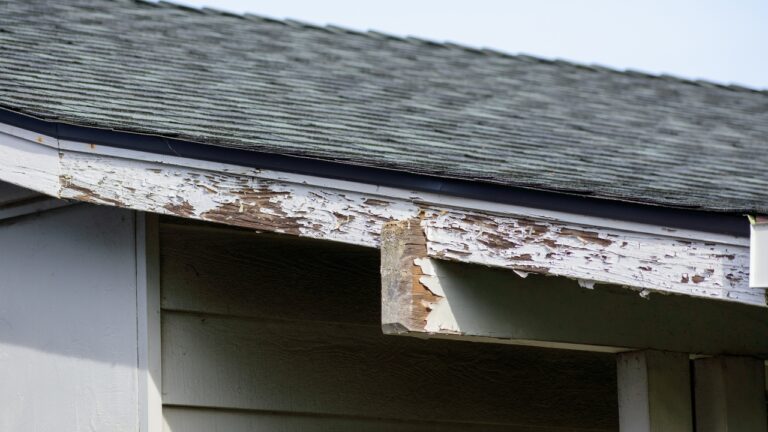
The same report from Bold North Roofing warns that postponing critical work can lead to structural damage, mold, or electrical fires, which then feed directly back into higher insurance costs and potential coverage battles. When you let a minor roof leak sit, for example, you risk turning a small patch into a full replacement that can easily blow through your entire $3,500 cushion in one shot. Coverage of these patterns in an Article Summary makes clear that delaying work is not just a budgeting tactic; it is a safety gamble that can leave you exposed on multiple fronts.
How “hidden” ownership costs outpace your income
You probably built your homebuying budget around principal, interest, taxes, and maybe a rough guess at utilities. What you may not have fully priced in are the so‑called hidden costs of ownership that keep rising faster than your paycheck. A detailed November analysis from Zillow and Thumbtack found that maintenance, insurance, and property taxes together form a heavy extra layer of expense that can keep would‑be buyers on the sidelines and strain those who already own. When those three categories all rise in the same year, your original affordability math no longer holds.
That analysis from Zillow and Thumbtack frames the problem in stark terms, showing that many households who can technically afford the down payment and mortgage still cannot comfortably handle the ongoing costs that follow. When you add a $3,500 maintenance target to insurance premiums that jump by hundreds of dollars and property taxes that quietly climb, you start to see why so many people feel squeezed even after locking in what looked like a reasonable monthly payment. Reporting on how homeownership costs outpace incomes, including the analysis from Zillow, makes clear that your income growth is often not keeping up with what your home now demands.
Why industry leaders say you cannot ignore this anymore
Inside the housing and mortgage industries, your $3,500 problem is a constant topic of hallway conversations and conference panels. Lenders, insurers, and builders are comparing notes on how rising repair costs and premium spikes are reshaping buyer behavior, from smaller down payments to increased interest in new construction with lower near‑term maintenance. When you see new loan products or insurance endorsements appear, they are often a response to the same financial squeeze you are feeling at your own kitchen table.
Events that bring together these decision makers, such as The Gathering, are increasingly focused on how to keep homeowners solvent and safe in the face of higher costs. At one such event, described as Discovered Homeowners, the agenda centers on how professionals can better communicate long‑term cost realities to buyers who might otherwise underestimate what ownership really entails. When the people who design your mortgage, price your insurance, and build your house are all sounding the same alarm, you have a clear signal that this is not a one‑off blip; it is a structural shift you need to plan for.
Digital tools that help you track and tame the costs
While the numbers can feel intimidating, you have more tools than ever to get ahead of them. Budgeting apps like YNAB and Monarch Money let you create dedicated sinking funds for repairs, so that $3,500 is broken into manageable monthly transfers rather than a single painful hit. You can tag transactions related to home upkeep, see trends over time, and adjust your contributions as your property ages or your insurance changes, which turns a vague worry into a clear, trackable target.
Accessibility‑focused platforms such as Userway remind you that the digital systems you use to manage your home finances should work for every member of your household, regardless of ability. When you rely on online dashboards from your insurer, mortgage servicer, or city tax office, tools like Discovered Homeownership can help ensure that you, your partner, or an older relative can actually read and act on the information. The more clearly you can see your true costs in front of you, the easier it becomes to adjust your spending and avoid being surprised by that annual $3,500 target.
Practical steps to build your $3,500 safety net
Turning all of this into action starts with a simple, unglamorous move: automate your savings. If your goal is $3,500 a year, you can divide that by twelve and set up an automatic transfer of just under $300 a month into a separate high‑yield savings account labeled “Home repairs and insurance.” Treat that transfer like a second mortgage payment that you do not skip. Over time, you will build a cushion that can absorb a broken appliance, a deductible after a storm, or part of a premium spike without forcing you into high‑interest debt.
Next, create a basic maintenance calendar that matches your home’s age and systems. Schedule recurring reminders on your phone for tasks like cleaning gutters, servicing your HVAC, and checking for small leaks, then log any work you complete along with receipts. If you attend local housing or economic events, such as a housing economic summit described as Discovered Homeowners, you can often pick up checklists and vendor recommendations that make this process easier. When you combine automation, routine upkeep, and a clear record of what you have already done, you give yourself the best chance of keeping that $3,500 goal realistic instead of aspirational.
How to advocate for yourself with lenders, insurers, and local officials
Finally, you need to treat your home costs as something you can negotiate and influence, not just absorb. When your insurance renewal arrives with a sharp increase, call your agent and ask for a line‑by‑line explanation, then request quotes for higher deductibles, updated coverage limits, or discounts for completed repairs. If your premium jumped because of a regional disaster adjustment, you may still be able to soften the blow by documenting upgrades like a new roof or impact‑resistant windows, which can sometimes offset part of the increase.
You can also push for clearer disclosures and better support from the institutions around you. Coverage of industry gatherings such as a mortgage banking summit, framed as Discovered Homeowners, shows that lenders and policymakers are already debating how to balance risk with affordability. When you contact your loan servicer about escrow changes, or your local representatives about property tax hikes, you are stepping into a conversation that is already underway. The more you share concrete numbers from your own budget, including how close you are to or how far you are from that $3,500 safety target, the harder it becomes for those decision makers to ignore the real impact on you and your neighbors.
Like Fix It Homestead’s content? Be sure to follow us.
Here’s more from us:
- I made Joanna Gaines’s Friendsgiving casserole and here is what I would keep
- Pump Shotguns That Jam the Moment You Actually Need Them
- The First 5 Things Guests Notice About Your Living Room at Christmas
- What Caliber Works Best for Groundhogs, Armadillos, and Other Digging Pests?
- Rifles worth keeping by the back door on any rural property
*This article was developed with AI-powered tools and has been carefully reviewed by our editors.