The spring home checks more homeowners are taking seriously
Photo credit: Natalia Kokhanova/Shutterstock.com
Spring is when your home quietly reveals what winter left behind, from hairline foundation cracks to clogged gutters that can send water straight into your basement. More owners now treat the season as a serious checkup, not just a chance to swap out decor, because the right inspections can protect both safety and long‑term value.
Looking at your property the way an inspector or buyer would gives you time to fix small problems before they become expensive emergencies. It also positions your home to compete better on the market, whether you plan to sell this year or simply want to keep that option open.
Why spring checkups are becoming non‑negotiable
Spring and summer bring the toughest mix of weather risks, with severe storms and river flooding in what one federal analysis calls a high‑risk category for simultaneous extreme events. That combination creates more chances for wind to lift shingles, water to find weaknesses around your foundation, and moisture to creep into any gap you ignored during winter. When you treat spring as your annual audit, you catch those weak points before the next round of storms arrives.
At the same time, you live in a housing market where delayed or neglected maintenance is now called out explicitly as one of the top Things Bringing Down Value. Buyers have more tools and data to compare properties and are quick to discount a home that shows peeling caulk, stained ceilings, or foundation cracks. Regular seasonal inspections signal that you have managed the property carefully, which supports higher pricing and smoother negotiations if you decide to sell.
Start with the exterior: roof, gutters, and drainage
Your exterior shell is your first line of defense, so start at the top. Walk your property with binoculars and look for missing or curled shingles, sagging sections, or dark streaks that suggest trapped moisture, then follow up from the ground with a closer look at flashing around chimneys and vents. Check the roof again from inside the attic, looking for daylight at joints and any damp insulation, a step that many spring home maintenance guides emphasize when they advise you to inspect the roof after cold weather damage.
Once you are confident the roof is intact, move to your gutters and downspouts, which quietly control where thousands of gallons of water end up. You want every downspout to carry runoff well away from the house, not let it pool at the foundation. In one spring checklist video, Mar explains that you should make sure those gutters and downspouts are pushing water away from your house because you do not want water pooling around your foundation, advice that matches what many inspectors see after heavy rain. Cleaning out leaves, adding extenders, and regrading any low spots are simple projects that can prevent basement moisture and erosion before the next thunderstorm hits, and resources such as the spring home maintenance used by agents in Missouri highlight the same priorities.
Watch the foundation and walls for subtle movement
After you control where water goes, check how your structure handled the freeze‑thaw cycle. Walk both the interior and exterior and look for new or widening cracks in walls or foundations, especially near corners, windows, and doors. Guidance for homeowners in cold climates like Foundations Minnesota warns that New or Widening in walls and foundations can signal shifting that deserves a professional look rather than a quick patch.
Inside, pay attention to doors that suddenly stick, floors that feel uneven, and gaps that open up between trim and drywall. Outside, check for spalling or flaking concrete, gaps between steps and the main slab, and any spot where soil has pulled away from the foundation. Real estate and maintenance guides that focus on spring repairs in regions such as Northeast Pennsylvania stress that you should seal all openings around your home to keep water and pests out, advice that pairs naturally with a careful review of your foundation and siding. If you see multiple warning signs at once, you are better off calling a structural engineer or experienced inspector early than waiting until a small shift becomes a major repair.
Give HVAC and ventilation a seasonal tune‑up
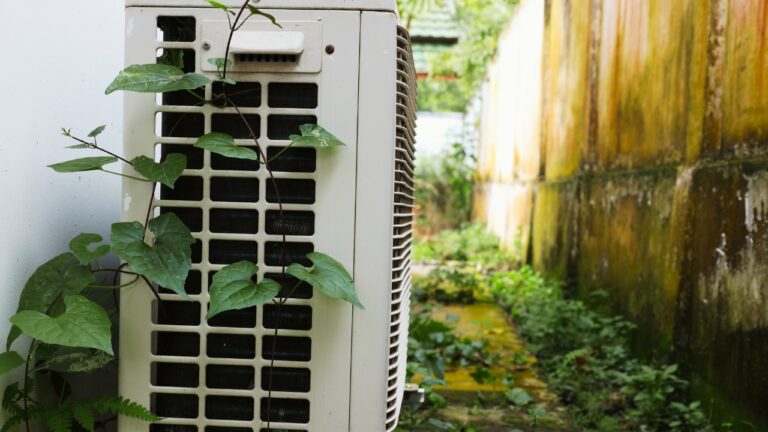
As temperatures climb, your heating and cooling system moves from idle to heavy use, which is why you should schedule a spring tune‑up before the first heat wave. A dedicated home warranty checklist notes that a spring tune‑up improves the system’s efficiency and helps prevent costly mid‑season breakdowns, and that Many HVAC companies also offer service contracts that spread out the cost. Replace filters, clear vegetation and debris from around outdoor units, and confirm that condensate lines drain freely so you do not end up with water stains on ceilings or inside closets.
Ventilation is just as important as temperature control. Spring is the time to verify that your bathroom and kitchen exhaust fans actually move air outside and that their ducts are not blocked, a step that experts highlight when they explain that making sure your bathroom and kitchen ventilation systems are working is important for your indoor air quality. Guidance from Spring Home Maintenance resources tied to Make It Right and Mike Holmes also reminds you to test carbon monoxide and smoke alarms and to replace batteries on a regular schedule. When you combine an HVAC inspection with proper ventilation and working detectors, you reduce both energy waste and health risks in one coordinated spring project.
Protect plumbing, appliances, and indoor air
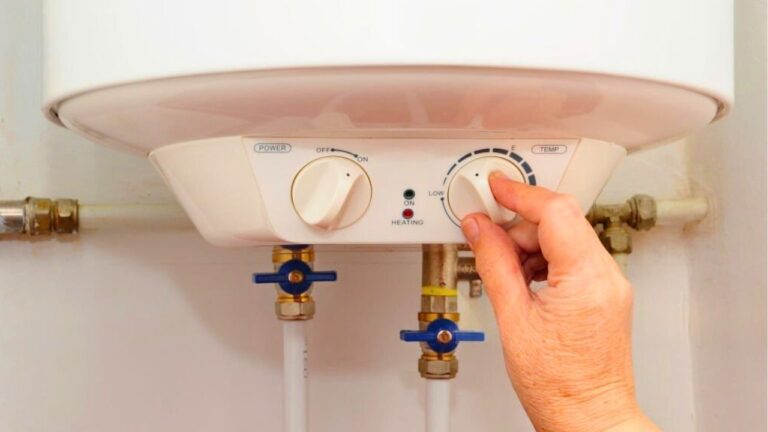
Plumbing and appliances often show the first signs of winter damage in spring, when you start using exterior spigots and higher water volumes again. Walk around your home and look for slow leaks at shutoff valves, bulging supply lines under sinks, and stains on ceilings that sit below bathrooms or laundry rooms. Spring maintenance advice tailored to homeowners in Northeast Pennsylvania recommends that you inspect plumbing and tweak systems after cold weather damage, and that guidance applies broadly wherever pipes may have frozen or contracted in winter. You should also flush your water heater to remove sediment and check the temperature and pressure relief valve so it can do its job in an emergency.
Appliances deserve a place on your spring cleaning list as well. The National Home Service Contract Association, through guidance shared from Lenexa, Kansas, has emphasized that, just like winterizing, NHSCA says adding home appliances to cleaning list in spring is just as important as other tasks. Their advice includes checking your air filters, cleaning refrigerator coils, and having a professional do a maintenance visit on covered equipment, steps that you can confirm through Just like winterizing guidance. These tasks not only extend the life of expensive machines, they also improve indoor air quality by reducing dust, dander, and mold spores that circulate through your home every time the fan kicks on.
Windows, doors, and the curb appeal effect
Spring sunlight has a way of highlighting every drafty window and worn threshold you stopped noticing in winter. Inspect weatherstripping, look for condensation between panes, and test locks and latches on all windows and doors. One widely shared checklist on seasonal repairs points out that well‑functioning windows with intact seals help lower energy costs and keep your home secure, and recommends that you Inspect and repair or replace damaged screens or hardware. Recaulking gaps and adjusting hinges is inexpensive, yet it makes a visible difference in how solid your home feels.
Curb appeal is not just a cosmetic concern, especially if you might list your home soon. Guidance for sellers in Michigan notes that, according to the National Association of REALTORS, 94% of agents recommend improving curb appeal before listing a home, a figure that shows how much weight buyers place on first impressions. You can support that advice by refreshing mulch, trimming shrubs away from siding, and touching up peeling paint, all of which align with broader According to the recommendations. When you combine exterior touchups with clean, smooth‑operating windows and doors, you send a clear message that the home has been cared for, which can translate directly into stronger offers.
Use spring cleaning to spot hidden issues
Spring cleaning is more than a tradition; it is your best opportunity to see behind and under the objects that usually hide problems. Whether you are an expert or new to spring cleaning, having a plan makes all the difference, and professional guides urge you to start by preparing for a deep clean and then move room by room. As you follow a structured approach such as the one outlined in Whether you’re an, keep an eye out for stains under furniture, soft spots in flooring near tubs or sinks, and any musty smell in closets that share walls with bathrooms.
As you clean, treat every moved piece of furniture or rolled‑up rug as a mini inspection window. Look at baseboards for swelling, check outlets for discoloration that might hint at overheating, and examine caulk lines around tubs and backsplashes for gaps that could let water through. Real estate‑oriented checklists that help you keep your property in top shape encourage you to combine cleaning with inspection so that you are not just making surfaces sparkle, you are also addressing underlying wear. When you use a resource like the Spring Home Maintenance Spring Weather as a backdrop, you turn an annual chore into a systematic way to catch slow leaks, failing grout, or early pest activity before they escalate.
Bring in professionals before problems explode
Even if you are handy, you cannot see everything a trained inspector can, which is why more homeowners are treating spring as the right time for a professional check. Trained local home inspectors often uncover hidden issues that are not obvious to buyers or owners, and that can save you from surprise costs while also providing peace of mind. Guidance for buyers in markets such as Harrisburg and Lebanon explains that Trained inspectors spot problems like aging electrical panels, marginal water pressure, and early foundation movement that casual walk‑throughs miss.
You can take the same logic and apply it before you list or before you start a major renovation. Home Maintenance Solutions home maintenance guidance suggests that home maintenance is about staying vigilant so small problems do not spiral out of control, and that one way of managing that risk is to have a regular maintenance inspection done by a professional contractor. That philosophy aligns with advice not to skip the home inspection, because a thorough report can help you prioritize repairs, negotiate with contractors more effectively, and plan your budget. When you review arguments on why you should not skip inspections, such as those laid out in dont skip the, you see that the modest upfront cost often protects you from far larger surprises later.
Think like a future buyer when you set priorities
Every spring, you have more projects than time, so you need a filter to decide what matters most. One practical approach is to think like a buyer and focus on issues that either threaten the structure or obviously drag down value. Real estate advisors who specialize in value strategies point out that when it comes to increasing your home’s value by $50,000 or more, it is essential to focus on strategic, high‑return upgrades such as kitchens and baths, while also avoiding the trap of letting basic maintenance slide. You can see that argument spelled out in resources that explain When it comes to prioritizing improvements.
Like Fix It Homestead’s content? Be sure to follow us.
Here’s more from us:
- I made Joanna Gaines’s Friendsgiving casserole and here is what I would keep
- Pump Shotguns That Jam the Moment You Actually Need Them
- The First 5 Things Guests Notice About Your Living Room at Christmas
- What Caliber Works Best for Groundhogs, Armadillos, and Other Digging Pests?
- Rifles worth keeping by the back door on any rural property
*This article was developed with AI-powered tools and has been carefully reviewed by our editors.