The post-winter problems showing up in early spring
Photo credit: Mike Higginson/Shutterstock.com
Early spring feels like a clean break from winter, but those first mild weeks mostly reveal what the cold months already set in motion. Roof leaks, ragged lawns, heaved pavement and confused plants all tend to surface together, and you feel them in your wallet, your schedule and even your allergies. When you understand how winter stress turns into spring trouble, you can spot the warning signs quickly and keep small problems from defining the rest of your year.
The pattern is simple: winter creates stress, spring exposes it. Ice, snow, wind and long stretches of cold weaken structures, plants and infrastructure, then the first thaws and warm spells pull back the curtain. You see the stains on the ceiling, the bare patches in the yard, the potholes on your commute and the buds that arrived too early. Those are not random annoyances; they are connected symptoms of a season that is changing faster than your routines.
When winter never really ends for your roof
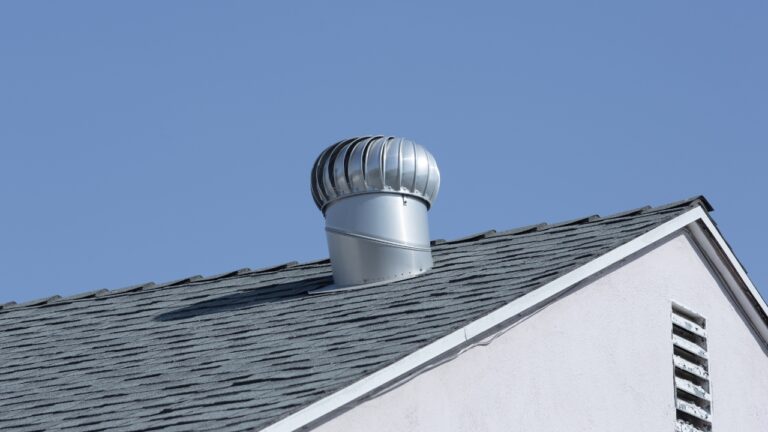
Your roof often tells the story of winter more clearly than any weather archive. As temperatures swing from freezing to thawing, ice expands in tiny cracks, pries shingles upward and forces meltwater into places it does not belong. By the time you feel a damp patch on an upstairs wall or notice a faint stain on a ceiling in early spring, the damage usually started weeks earlier under a layer of snow and ice that hid every clue.
Specialists describe a simple pattern: winter creates stress, spring reveals it. You might first notice subtle signs such as granules collecting in gutters, shingles that look slightly cupped or a line of discoloration along exterior walls that hints at ice dam leakage once the snow melts. If you read guidance on why roof problems when it warms up, you see the same message: spring is when you finally see what winter has already done. Early inspections, especially around valleys, chimneys and eaves, give you a chance to repair worn flashing or replace compromised shingles before the first big thunderstorm turns a hidden flaw into a major leak.
The lawn that looked fine in fall but collapses in March
Your turf can look perfectly healthy in late autumn, only to greet you in March with matted patches, gray fuzz and dead circles that refuse to green up. Even the healthiest lawns will suffer some level of stress under compacted snow, ice sheets and foot traffic that crushes the crowns of grass plants. When spring arrives, your lawn will need a boost of nutrients following a period of harsh winter weather, because cold, shade and moisture have quietly drained its reserves.
Experts who focus on How to Revive Your Lawn For Spring point out that your grass rarely recovers on its own from issues such as snow mold, salt damage along sidewalks or crown injury where plows piled heavy drifts. They recommend applying balanced fertilizer and overseeding thin spots as soon as soil temperatures allow, along with raking away matted debris that harbors disease. If you study advice on 3 Post-Winter Lawn, you see how quickly targeted feeding, soil testing and proper mowing height can turn a winter-battered yard back into a resilient surface before summer heat adds a new layer of stress.
False spring and the plants that fall for it
When you step outside during a warm spell in late winter, you feel the temptation to act as if the cold season is finished. Your trees and perennials feel the same pull, and that is where false spring begins to cause trouble. Weather terms that define false spring describe a warm spell that arrives when you think it is time to pack away your heavy coats, but that brief taste of mild air does not mean winter is finished, and the next hard freeze can be brutal for tender new growth.
Local weather pages warn that you tend to think of false springs as a March or April problem, yet the pattern can start earlier, especially when climate trends nudge average temperatures higher. A community explanation of False Spring emphasizes that plants respond to warmth, not calendar pages, so buds swell and flowers open while the risk of a hard freeze still lingers. You see the result in blackened hydrangea tips, ruined magnolia blossoms and fruit trees that lose much of their crop potential in a single cold night that follows an unusually mild stretch.
Climate change is moving spring’s starting line
You feel the shift in your own yard when crocuses bloom earlier and mosquitoes show up long before you expect them, but the pattern is especially clear in long records from the Northeast. Under a warming climate, spring is arriving earlier across the Nor part of the United States, and the Northeast has seen earlier budbreak followed by a higher risk of frost events that catch tender growth off guard. That combination turns what used to be an occasional odd year into a more frequent source of damage.
Researchers who track phenology in the Northeast warn that earlier budbreak followed by a freeze can damage fruit crops, ornamental trees and forest species that are not adapted to such timing. Guidance from regional climate hubs on how climate warming brings highlights how farmers, gardeners and city managers all face a new balancing act: you need to take advantage of longer growing seasons without assuming that frost risk has vanished. That means adjusting pruning calendars, delaying certain plantings and choosing varieties with better cold resilience instead of trusting the first warm week.
When birds, trees and shrubs misread the season
False springs do not only trip up your garden; they also disrupt the timing of migration and nesting. Long-distance migrants such as the Cape May Warbler that travel to Central and South America rely on cues that historically lined up with insect hatches and leaf-out in northern forests. When spring conditions arrive early, the insects may peak before the birds reach their breeding grounds, and nestlings can starve or die if not rescued because the food window has already closed.
Conservation groups that track these shifts point out that the problem is especially pronounced in long-distance migrants whose schedules are hardwired to day length and distant climate cues. Detailed reporting on false springs and connects the dots between early warmth, subsequent freezes and habitat disruption, which in turn affects the insects and plants in your own neighborhood. When trees lose flowers to a late frost, you see fewer berries and seeds later in the year, and that ripples through backyard bird populations that you might have assumed were insulated from such timing glitches.
The gardener’s dilemma in a weak winter
If your winter has been mild, with few deep freezes and more rain than snow, you may feel relieved at first. You spend less time shoveling and your heating bills drop, but your garden quietly faces a different set of risks. A weak winter can leave certain pests and diseases less checked, and it can also encourage seeds to germinate earlier in flats or containers, only to face cold snaps that they are not prepared to handle.
Gardeners trading observations on Mar threads about native plants often remind each other that if you notice plants starting to germinate or if you seeded new stuff in flats or containers, you need to water them consistently and be ready to protect them if temperatures fall again. One detailed exchange on what impact a points out that some species that prefer a strong cold period for stratification can be decimated-by-extreme-winter in harsher years, yet also struggle when they never get a clear signal that dormancy is over. You end up juggling frost cloth, cold frames and backup seedlings so that a single odd season does not wipe out years of careful planting.
Trees and shrubs that look ruined but might recover
Your first walk around the yard after the snow recedes can be discouraging. Split bark, browned evergreens and drooping branches make it easy to assume you have lost half your landscape. Yet arborists urge patience, especially with woody plants that can take weeks to show whether buds are still viable. Worried About Tree and Shrub Damage is a natural reaction, but Don Panic, because Time Will Tell how much of that damage is superficial and how much affects the long-term health of the plant.
Guides to winter recovery explain that after a long, harsh winter, it is common to see shrubs and trees looking rough, with broken limbs and browned foliage that may not reflect the condition of the roots. Advice on winter recovery encourages you to wait until new growth begins before making any big decisions about removal. You can prune clearly dead wood, correct structural hazards and gently reshape plants, but you avoid cutting aggressively until you see which buds leaf out and which sections truly failed.
Potholes, heaved pavement and the freeze-thaw hangover
On the streets you drive every day, winter damage stays mostly hidden until the first sustained thaw. The science of the pothole is straightforward: water seeps into tiny cracks in the pavement, then freezes, expands and breaks the structure apart from within. When temperatures rise, that ice melts and leaves behind a gap, which collapses under the weight of passing vehicles and forms the potholes that define early spring driving in places like Michigan.
Transportation officials describe how the freeze-thaw cycle is to blame as water seeps into road cracks, freezes and expands, pushing the pavement upward. When the ice melts, the weight of traffic crushes the weakened surface and leaves behind jagged holes that grow with every passing car. Reports on how the freeze-thaw cycle produces mirror accounts from Northeast Wisconsin and North Texas, where similar patterns follow winter storms. For you, that means budgeting for tire and suspension repairs, reporting dangerous holes promptly and paying attention to how water drains around your own driveway so that small cracks do not become expensive craters.
Health, homes and the quieter side of early spring risk
Not all post-winter problems are as visible as a pothole or a brown lawn. As early warmth triggers the first waves of pollen, you may find allergy symptoms flaring weeks before you expect them, especially in regions where spring’s earliest leaves and blooms are emerging ahead of schedule. In the Washington region, researchers who monitor tree buds and poll counts have documented how early leaf-out can push pollen season forward and intensify respiratory issues at a time when many people still associate sneezing with colds rather than outdoor exposure.
Winter storms can also leave behind damage that is not always obvious at first glance, from loosened siding to compromised gutters that only reveal themselves when spring rains arrive. Insurance specialists warn that instead of assuming you are in the clear once the snow melts, you should walk your property, check attics and basements for moisture and photograph anything that looks suspicious before minor issues escalate. Guidance on how Winter storms can yet destructive emphasizes that early documentation and small preventive repairs in March or April often cost far less than emergency work after a heavy spring downpour exposes every weak point at once.
Like Fix It Homestead’s content? Be sure to follow us.
Here’s more from us:
- I made Joanna Gaines’s Friendsgiving casserole and here is what I would keep
- Pump Shotguns That Jam the Moment You Actually Need Them
- The First 5 Things Guests Notice About Your Living Room at Christmas
- What Caliber Works Best for Groundhogs, Armadillos, and Other Digging Pests?
- Rifles worth keeping by the back door on any rural property
*This article was developed with AI-powered tools and has been carefully reviewed by our editors.