Tree trimming averaging $550 now seen as protection against $5,000 roof damage
Photo credit: Kipgodi/Shutterstock.com
Tree trimming that averages around $550 per visit can feel like a luxury, right up until a storm turns overgrown branches into a $5,000 roof problem. Compare the routine cost of maintaining your trees with the price of repairing smashed shingles, torn decking, or a punctured attic, and the math starts to look less like yardwork and more like insurance you control. By treating tree care as part of your home’s protective system, you give yourself a realistic way to avoid some of the most expensive roof damage you can face.
Rather than waiting for the next windstorm or ice event to test your luck, you can treat that $550 average as a predictable line item that protects your roof, your insurance record, and your savings. The key is understanding how tree trimming prices really work, how branches actually damage roofs, and how to line up qualified help without falling for scams that show up right after bad weather.
The real cost of tree trimming in 2026
Budgeting around $550 for tree trimming puts you roughly in the middle of what national data shows you should expect to pay. One detailed pricing guide notes that Professional tree trimming typically runs from $430 to $640 per tree, with the upper end described as $640 per tree for larger or more complex jobs. Another cost breakdown puts the national average cost at $730, which means your $550 target falls comfortably between basic and more involved work.
Other national cost ranges confirm that you are not imagining things if quotes vary widely. One widely used home services estimator explains that Tree trimming often runs from $270 to $1,800, with an average of $460 in total, while a separate analysis of regional pricing notes that New York City you might see quotes from $588 to $870. Against that backdrop, planning around $550 for a typical mid‑sized tree is a realistic way to avoid being surprised when the invoice arrives.
Why a $5,000 roof hit is a conservative estimate
Once a branch finally lands where you never wanted it, the repair numbers escalate quickly. A detailed repair guide on Roof Repair Costs explains that Minor Repairs, such as a few shingles or a small hole, can still run from $300 to $1,000, and that is before you get into structural fixes. When the damage is more extensive, the same guide notes that Moderate Repairs can climb far beyond that baseline once decking, framing, and interior water damage are involved, which is where totals in the $5,000 range become very plausible.
Emergency restoration specialists who handle tree impacts describe similar patterns, explaining that How Much Does depends on the severity of the hit, the roofing materials, and whether permits or engineering reviews are needed. Even before you replace a single shingle, you may be paying for tarping, debris removal, and temporary housing if the home is unsafe. In that context, treating $5,000 as a working estimate for a serious tree impact is not alarmist; it is a cautious midpoint in a range that can go much higher.
How branches actually destroy your roof
To see why trimming matters, you have to look at how damage really happens. Roofing specialists describe How Tree Branches in two stages. First, there is Physical Damage, which occurs When a large limb falls and smashes shingles, flashing, or even rafters in a single event. Second, there is slow‑motion damage from smaller branches that scrape granules off asphalt shingles, trap moisture, and encourage rot around the impact points.
Close‑in trees also attack your roof without ever snapping. One roofing company notes that Trees near your home shed leaves, pine needles, and twigs that pile up in valleys and gutters, which keeps water sitting on shingles and accelerates wear. Another guide on storm protection explains that How Tree Trimming is by eliminating the risk of Falling limbs that can cause catastrophic punctures and by reducing the constant abrasion that shortens the life of your roofing materials long before a major storm arrives.
What proper pruning really involves
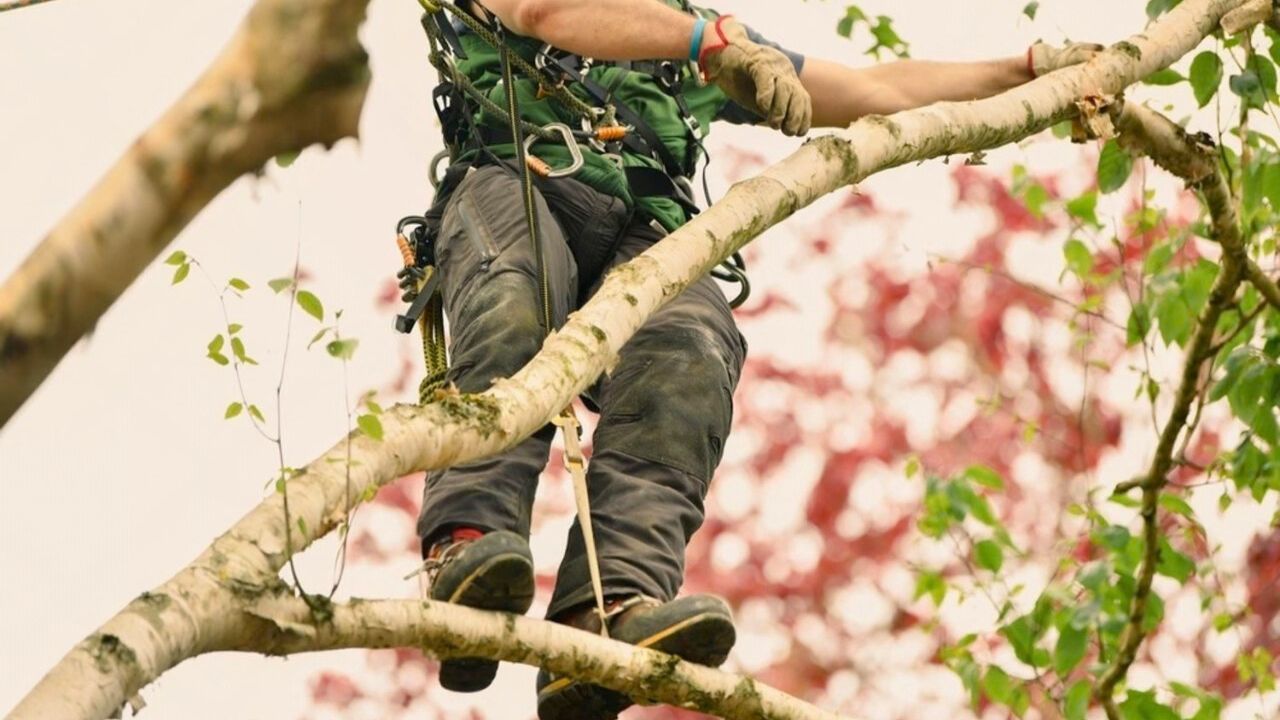
When you hear “tree trimming,” you might picture someone hacking off random limbs, but proper pruning is more precise. One service definition describes Pruning/Trimming as the removal of dead, dying, diseased, live interfering, objectionable or weak branches, which means the goal is to reduce risk while preserving the health and structure of the tree. When you pay a qualified crew, you are not just buying shorter branches; you are buying an expert assessment of which limbs are most likely to fail in the next wind event.
Roofing and tree care specialists also point out that distance matters. One guide on How Far Should from Your Roof explains that you should maintain a safe gap between foliage and shingles so branches do not rest on or constantly brush the surface. Another roofing company that focuses on prevention notes that Prevent Roof Damage strategies rely on proper Tree Maintenance to limit shade, which can encourage moss, and to reduce debris that clogs gutters. When you combine selective limb removal with smart spacing, you give your roof a fighting chance in bad weather.
Balancing tree health with home protection
You do not have to choose between loving your trees and protecting your roof. Arborists and roofers alike emphasize that regular trimming keeps trees healthier by removing diseased or weak limbs before they fail, which is exactly what the definition of Pruning/Trimming focuses on. Healthier trees are less likely to drop limbs during storms, and they are also less likely to decay from the inside, which can turn a seemingly solid trunk into an unexpected fall risk.
Guides on preventive maintenance explain that Tree Maintenance to prevent roof damage is especially important in wet or moss‑prone climates, where dense canopies keep roofs damp and encourage growth that shortens shingle life. Another safety‑focused resource on tree and branch stresses regular inspections, removal of dead wood, and attention to branches that overhang structures or power lines. Following that guidance lets you keep shade and curb appeal while dramatically lowering the odds that your favorite oak becomes the reason you are calling a roofer.
What storms, insurance, and removal caps really cover
Once a storm hits, your financial protection shifts from prevention to whatever your policy actually says. A consumer‑focused legal guide on storm damage FAQs explains that if you have homeowners insurance, your policy may cover up to $500 towards tree removal and that this $500 limit usually applies to ALL the trees removed after one event. That cap can leave you paying thousands out of pocket if multiple trees fall or if a large trunk has to be cut up and hauled away piece by piece.
Insurance experts also clarify that coverage often hinges on whether the tree actually hits a covered structure or blocks a driveway, and that preventative trimming is rarely reimbursed. One detailed explainer on Will homeowners policies cover preventative tree removal notes that you generally cannot rely on your insurer to pay for trimming or taking down a risky tree before it falls, even if the risk is obvious. Local reporting on storm scams further warns that in the chaos after severe weather, you may see unlicensed crews offering storm damage cleanup while pressuring you to sign over insurance benefits, which can leave you exposed if the work is shoddy or incomplete.
How to avoid tree trimming scams and bad work
If you are going to spend $550 to protect a $5,000 roof, you want to be sure that money goes to someone qualified. A detailed consumer alert from the North Carolina Department of Justice warns you not to let tree trimmers trim your savings, pointing to red flags such as door‑to‑door solicitors after storms, requests for large upfront payments, and vague written estimates. The same guidance encourages you to check for insurance, references, and written contracts before any work begins, and to be wary of anyone who insists that you must act immediately or risk losing an alleged “special price.”
State officials also direct you to verified legal and consumer help if something goes wrong. They suggest using resources like state complaint portals to report fraud and, if necessary, consulting the bar association’s tools for finding a lawyer who can advise you on contract disputes. When you combine that caution with common‑sense steps like verifying business licenses and checking online reviews, you greatly reduce the odds that your preventive investment turns into a second financial headache.
Comparing preventive trimming to real repair bills
When you line up the numbers, the case for prevention becomes clearer. If you budget $550 every few years to have a professional crew trim a large maple that overhangs your roof, you might spend around $1,100 over a six‑year period. By contrast, the repair guide on Minor Repairs and Moderate Repairs shows that even a relatively contained incident can cost between $300 and $1,000 just to address superficial damage, and that more serious structural issues quickly climb into several thousand dollars before you factor in interior restoration.
Independent adjusters who specialize in storm claims echo those ranges when they discuss What the average cost is to repair tree branch damage, noting that labor, material type, and access challenges all push bills higher. When you add in the potential for higher insurance premiums after a large claim, temporary living expenses if your home is unsafe, and the stress of emergency repairs, the long‑term cost of skipping that $550 trim can easily exceed the sticker price of a single storm‑driven repair by a factor of five or more.
Practical steps you can take this season
To turn these numbers into action, you can start with a simple walk‑around. Look for branches that touch or hang directly over your roof, limbs that appear dead or cracked, and trees that lean toward the house. Use the definition of Pruning/Trimming as a checklist: dead, dying, diseased, interfering, objectionable, or weak branches all belong on your radar. If you see any of those signs, it is time to call for estimates rather than waiting for the next wind advisory to make the decision for you.
When you contact companies, use the cost benchmarks from Average Cost guides and platforms that show national ranges from a few hundred dollars to well over $1,000 per tree, and remember that your $550 target is a realistic middle ground. You can also use online tools that connect you with local pros, such as near‑me quotes or regional tree care firms like Greenthumb Ottawa, to compare offers. By scheduling the work on your terms, rather than in the chaotic aftermath of a storm, you keep control of both the price and the quality of the protection you are buying for your roof.
Like Fix It Homestead’s content? Be sure to follow us.
Here’s more from us:
- I made Joanna Gaines’s Friendsgiving casserole and here is what I would keep
- Pump Shotguns That Jam the Moment You Actually Need Them
- The First 5 Things Guests Notice About Your Living Room at Christmas
- What Caliber Works Best for Groundhogs, Armadillos, and Other Digging Pests?
- Rifles worth keeping by the back door on any rural property
*This article was developed with AI-powered tools and has been carefully reviewed by our editors.