Preventive maintenance now viewed as protection against $5,000 structural damage
Photo credit: Radovan1/Shutterstock.com
You are no longer just fixing squeaky hinges when you think about home upkeep. You are deciding whether a small, predictable expense today will shield you from a $5,000 structural repair that can blow up your budget and your sense of security. As repair bills climb and insurance gets stricter about neglect, preventive maintenance has shifted from a nice-to-have to a financial safety system wrapped around your house.
Instead of treating repairs as random bad luck, you can now see a clear pattern in the data: small leaks, cracks, and worn parts are the first moves in a chain that often ends in structural damage. When you treat maintenance as protection, you give yourself a way to break that chain long before it reaches the $5,000 threshold.
The new math of home repair risk
You are living in a moment when repair costs are rising faster than many household budgets, which makes every preventable failure feel more painful. One survey found that 46 percent of homeowners said they spent more than $5,000 last year on unexpected repairs, a jump of 10 percent from the year before. That means nearly half of households were forced to absorb bills large enough to rival a used car purchase or a semester of community college, often with little warning.
The numbers look even starker when you compare them with what structural specialists describe. One masonry contractor notes that it can cost anywhere from $5,000 to $20,000 to fix serious structural issues, with Basic Structural Damage starting around $5,000 for minimal structural work and climbing toward $20,000 as problems spread into beams, columns, joints, or roofing. When you put those figures next to your own savings account, preventive maintenance stops looking like optional tinkering and starts looking like the cheapest form of structural insurance you can buy.
How small issues snowball into $5,000 problems
You rarely face a sudden $5,000 structural bill out of nowhere. In most cases, you have a string of ignored warning signs that quietly stack up. A consumer study on repair costs gives you a stark example: a $150 leaky pipe repair can turn into $7,000 in water damage if you leave it alone, and Emergency home repairs average more than $1,200 while routine maintenance typically costs around $100. That is the cascade in a single snapshot: cheap now, or very expensive later.
The same pattern shows up in other systems. While minor plumbing fixes may cost $125, a major pipe burst can run $5,000 or more, and Basic foundation fixes can range from $2,200 into significantly higher territory as damage spreads through walls and floors. Roofing experts warn that the average roof repair might sit between $300 and $1,500, yet structural roof work can easily exceed $5,000 when rot reaches rafters or trusses. When you add in the way water intrusion weakens framing and subfloors over time, you can see how ignoring a drip or a missing shingle today is really a decision to accept structural risk tomorrow.
Deferred maintenance and the hidden hit to your home’s value
You pay for deferred maintenance in ways that go beyond the repair invoice. Property professionals report that homes with obvious maintenance issues often sell for 5 to 15 percent below the market value of similar properties, and homes that clearly need major systems replacement can face even steeper discounts. Every year, millions of homeowners leave money on the table because they postponed repairs that proper maintenance could largely prevent, which means you can literally track neglect as a line item against your future sale price in the same way you track mortgage interest.
The risk is not limited to cosmetic problems either. Another analysis of neglected homes points out that Poor maintenance increases the risk of injuries, reduces energy efficiency, and can even void your home insurance if damage occurs from neglect. If an adjuster can argue that you ignored basic upkeep, such as roof leaks or deteriorated caulking, you may find that a claim is denied or paid at a much lower level. When you combine a lower sale price, higher energy bills, and weaker insurance protection, the hidden cost of skipping maintenance can easily rival a structural repair in the $5,000 to $20,000 range even if your walls never crack.
Where structural failure really starts
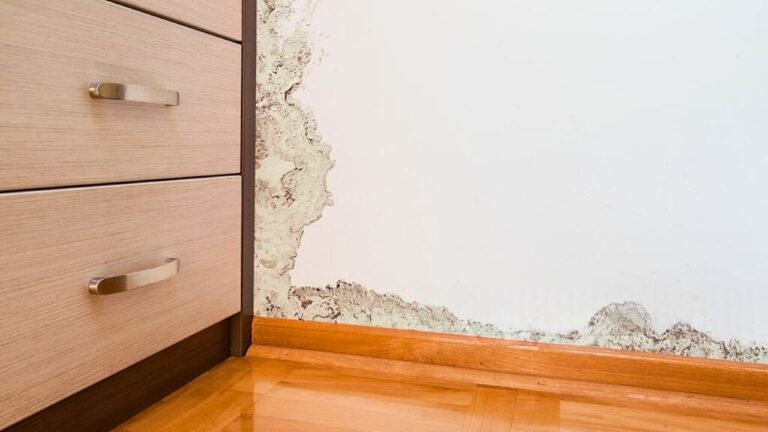
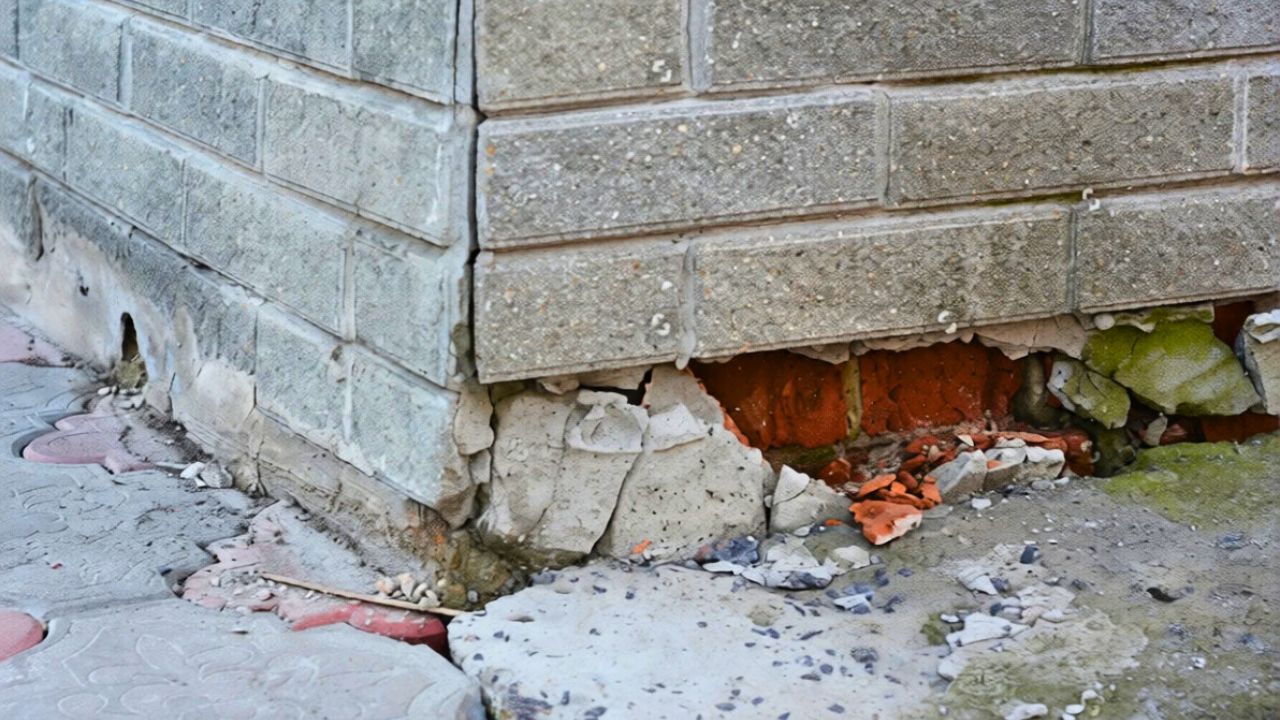
You usually see structural trouble first in subtle signs that are easy to dismiss. Small hairline cracks that appear near the corners of windows and doors might not be alarming on their own, but larger or expanding ones, along with gaps between walls and ceilings or floors, warrant prompt professional attention. Foundation specialists warn that as moisture seeps into basements or crawl spaces, pooling water can emerge and further complicate structural integrity, so Early detection of dampness, efflorescence, or shifting slabs becomes a front-line defense against serious foundation movement.
Engineers who study building failures point to water as your most persistent enemy. One of the most significant threats to building integrity is water intrusion, whether it comes from rain, snow, or pooling on flat surfaces, and over time it can corrode reinforcement, rot framing, and undermine foundations. You also need to keep an eye on your roof, because neglecting the roof can void coverage and leave you responsible for the full cost of repairs or replacement, and Cascade damage from Small problems left unattended often spreads from the roof into insulation and structural components below. Once that chain reaction begins, you are no longer dealing with a minor repair but with a structural project that can easily cross the $5,000 line.
Roof, water, and exterior: your first line of defense
You protect your structure most effectively when you control how water reaches and leaves your house. Roof specialists explain that the average roof repair costs between $300 and $1,500 for surface issues, while structural roof repairs can exceed $5,000 once framing is involved. At the same time, commercial roof managers warn that Neglecting regular inspections can void your coverage and that even a small leak can trigger Cascade damage that affects insulation, structural components, and interior finishes. If you treat your roof like a disposable surface instead of a structural shield, you give water a direct route into your framing.
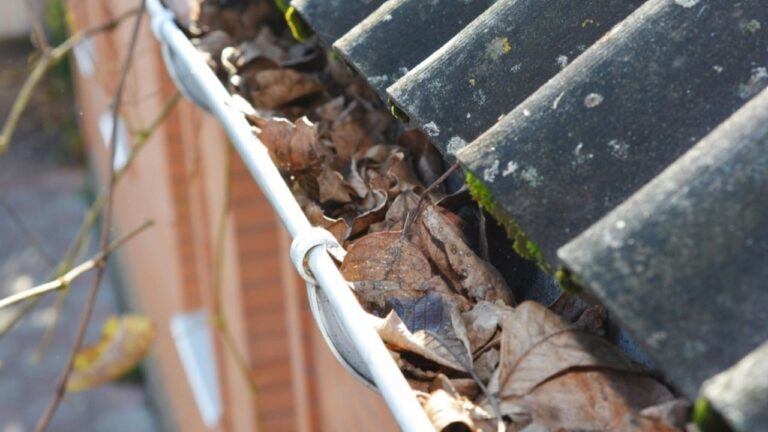
You can reduce that risk with simple routines. Exterior maintenance guides urge you to Inspect all outdoor structures for rot or instability, check decks and railings for loose fasteners, and Remove debris from gutters and downspouts so water flows away from your foundation. When you combine those habits with regular checks of grading around your home, you limit the pooling that foundation experts link to long term movement. By keeping water off your roof, out of your walls, and away from your foundation, you are actively lowering the odds that you will face structural repairs in the $5,000 to $20,000 range later.
Interior systems that quietly protect your structure
You might not think of your HVAC, plumbing, and electrical systems as structural guardians, yet they often decide how much stress your framing and foundation will endure. Preventive property data shows that routine HVAC servicing can reduce energy bills by 15 to 20 percent according to the U.S. Department of Energy, which means your home runs cooler and drier with less strain on materials that expand and contract. A separate home maintenance guide recommends that you HVAC checkups include cleaning coils and ensuring condensate lines drain properly, since blocked lines can send water into ceilings and wall cavities that were never designed to handle it.
Inside your walls, plumbing and electrical choices have similar ripple effects. Safety advisers recommend that you Inspect the seals around windows and doors annually for cracks or gaps and reapply caulk or weather stripping as needed, which helps prevent moisture, mold, mildew, or structural damage. Plumbing experts warn that if ignored, plumbing issues can escalate from minor drips into leaks that saturate subfloors and studs, while Electrical repairs are both expensive and dangerous to ignore because Outdated wiring or overloaded circuits can create serious fire risks. When you keep these systems in good shape, you are not just avoiding an inconvenient outage, you are reducing the chance that fire, rot, or chronic moisture will compromise your structure and force repairs that start around $5,000.
The true ROI of preventive maintenance
You might still wonder how much maintenance is enough and whether you are overspending to avoid a worst case that may never happen. A practical way to answer that is to compare routine costs with failure costs. One industrial maintenance guide notes that preventive maintenance costs average $600 to 800 annually for a complex system, while emergency breakdowns can easily multiply that figure once labor, towing, and downtime are included. In a similar spirit, a building services firm points out that When these failures cascade, emergency labor, replacement parts, and downtime quickly push costs past $5,000, which mirrors what homeowners experience when small issues are ignored.
Other experts frame it at the part level. A facilities resource explains that PROACTIVE PART REPLACEMENT recognizes that Filters, belts, bearings, and valves eventually fail, so replacing them on schedule is cheaper than waiting for a breakdown. They give a simple example: a $50 component swapped out on schedule can prevent a $5,000 repair later, which gives you a clear ratio between a minor planned expense and a major unplanned one. When you apply that mindset to your own home, from sump pump check valves to roof flashing and caulk, you can see how a few hundred dollars a year in preventive work functions as a hedge against multiple five figure structural scenarios over the life of your ownership.
Simple maintenance habits you can actually stick to
You do not need to become a full time handyman to capture most of the savings that preventive maintenance offers. A homeowner education program suggests starting with seven basic tasks, including changing Appliance and HVAC filters, testing Smoke and carbon monoxide detectors, and walking around your house to look for cracked, loose, or missing siding and trim at least twice a year. It also recommends checking that doors and windows open and closed on their own so you can catch sticking that might signal frame movement. These are low skill, low cost habits that give you an early warning system long before problems reach the structural stage.
You can then layer in a seasonal routine that fits your schedule. A practical guide to Preventative Maintenance urges you to build a simple checklist that covers roof, gutters, grading, and mechanical systems, and to schedule tasks on your calendar the same way you would book a medical checkup. Another resource on Preventative home maintenance suggests that you HVAC tune ups, gutter cleaning, and exterior caulking are among the simplest ways to keep your home in top condition and to prevent ice dams or snow buildup from damaging your roof. When you treat these habits as recurring appointments instead of occasional chores, you create a maintenance rhythm that steadily reduces your odds of ever writing a $5,000 structural check.
Budgeting so a $5,000 surprise never breaks you
You manage risk best when you plan for the repairs you cannot avoid and aggressively prevent the ones you can. Financial planners who specialize in housing costs advise you to set aside a percentage of your home’s value each year specifically for maintenance and repairs, and they spell out why. They note that Foundation repairs can range from $5,000 to $25,000, and Without proper planning these unexpected expenses can derail your finances and force you into high interest debt. When you build a sinking fund for your house, you give yourself breathing room to handle genuine surprises while you use maintenance to shrink the list of things that can go wrong.
Like Fix It Homestead’s content? Be sure to follow us.
Here’s more from us:
- I made Joanna Gaines’s Friendsgiving casserole and here is what I would keep
- Pump Shotguns That Jam the Moment You Actually Need Them
- The First 5 Things Guests Notice About Your Living Room at Christmas
- What Caliber Works Best for Groundhogs, Armadillos, and Other Digging Pests?
- Rifles worth keeping by the back door on any rural property
*This article was developed with AI-powered tools and has been carefully reviewed by our editors.