10 Things You Should Do to Your Lawn Before It Gets Hot
Photo credit: Ingo Bartussek/Shutterstock.com
When temperatures spike, your lawn either coasts through the heat or turns patchy and stressed, and the difference usually comes down to what you do in the weeks before it gets hot. By tackling a handful of targeted jobs early, you give grass deeper roots, better moisture reserves, and stronger defenses against weeds and disease. The ten steps below work together so you are not scrambling during the first heat wave; instead, you are simply maintaining a yard that was already prepared for summer.
1. Inspect and clean up after winter
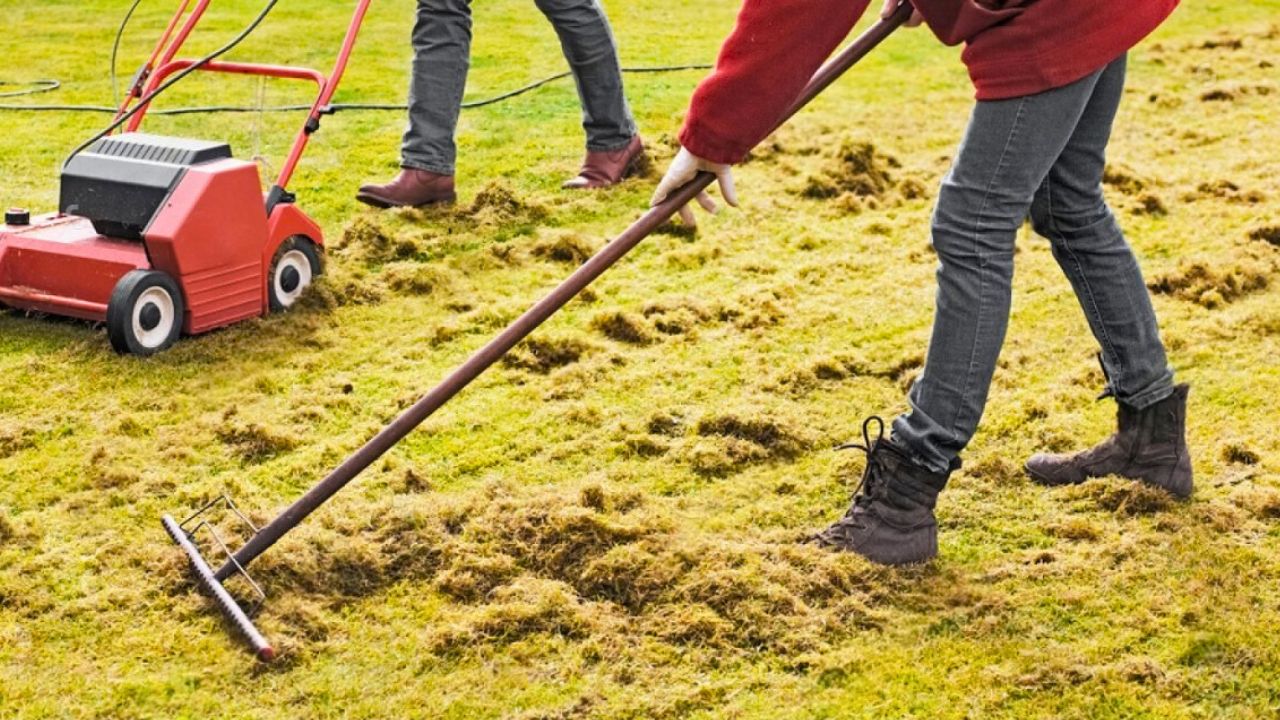
Your warm-season game starts with a cool-season inspection. Before you think about watering schedules or fertilizer, you need to see what you are working with, which means clearing away the clutter that hides problems. Walk your yard and pick up branches, trash, and dead plants, then rake out matted areas where old clippings or leaves have formed a dense layer that can trap moisture against the soil and invite disease. Treat this as your reset so you can spot bare patches, compaction, or drainage issues that will only get worse once the sun intensifies.
A structured approach to early-season care helps you move from vague good intentions to a concrete checklist. A detailed Spring Lawn Care recommends that you first “Clean Up,” then “Kick off the growing and mowing season” by using a rake to lift debris and winter-damaged grass from the surface. When you “Grab” a sturdy lawn rake and work systematically, you also break up light thatch, which improves air circulation and lets new growth push through. This kind of cleanup makes every later step, from watering to fertilizing, more effective because you are no longer feeding and irrigating a layer of dead material.
2. Rake, dethatch and repair thin spots
Once the obvious debris is gone, you can focus on the subtle issues that quietly sabotage your lawn in hot weather. Thatch thicker than about 1.3 centimeters acts like a sponge that steals water from the roots while also blocking air and nutrients. Use a stiff rake to pull up this layer, or rent a dethatcher if you see springy, spongy patches underfoot. After you open up the surface, lightly loosen compacted soil in high-traffic areas and top them with a thin layer of compost to improve structure before you overseed.
Monthly guidance from a detailed Seasonal Lawn Care explains that by late winter and early spring you should “Rake” and “Clear out any remaining” leaf litter and dead grass so new shoots are not smothered. That same calendar notes that “In mid-May, it is time” to focus on seeding and that this period is an “important month for lawn care” because soil temperatures finally support germination. If you repair thin spots before summer, the new grass has time to establish roots deep enough to handle heat, rather than sprouting shallow blades that crisp at the first dry spell.
3. Tune up your irrigation before the first heat wave
Watering habits are usually the difference between a lawn that survives a heat wave and one that fails. You want deep, occasional watering that trains roots to grow down, not daily sprinkles that keep roots hovering near the surface. Before it gets hot, test each zone of your system, fix clogged or tilted heads, and measure how long it takes to deliver about 2.5 centimeters of water so you can set run times accurately instead of guessing. If you rely on hoses and sprinklers, this is the moment to replace leaky fittings and map out coverage so you are not discovering dry corners in the middle of summer.
Guidance on how to Water Wisely during heat waves stresses that “Watering your lawn correctly” means soaking to the depth of the roots, not just dampening the surface. The same advice explains that as summer heats up, you should aim for roughly an inch of water per week, applied in one or two sessions, and that rotor heads “typically take half this time” compared with spray heads to deliver that amount. If you calibrate your system now and schedule early morning cycles, you reduce evaporation losses and avoid the shallow root systems that leave grass vulnerable when temperatures spike.
4. Adjust mowing height and sharpen blades
Mowing is not just cosmetic once the weather turns hot; it is a stress test for the grass. If you cut too short, you expose soil to direct sun, which dries it out faster and bakes the root zone. Before summer, raise your mower deck so cool-season grasses sit around 7.5 centimeters tall, and warm-season types stay within their recommended upper range. Taller blades shade the soil, help retain moisture, and outcompete weeds that thrive in thin turf, so this single adjustment can significantly improve your lawn’s heat tolerance.
Several warm-weather checklists echo the same principle. A summer guide explains that in June you should “Raise the” mower blades higher for hot-season cutting and that “Three” inches is ideal for most lawns because “Taller” grass blades shade the soil and slow water loss. Another set of tips on how to Mow Tall to turf healthy explains that a higher cut also helps prevent the crown of the plant from overheating. When you combine that with a sharp blade that slices instead of tearing, you reduce brown, frayed tips that lose moisture quickly and invite disease in hot, humid weather.
5. Feed for roots, not just color
Fertilizer can either fortify your lawn for heat or push it into a growth spurt that it cannot sustain once water becomes scarce. Before it gets hot, you want a balanced feeding that supports root development more than top growth, with modest nitrogen and adequate potassium. Apply it when soil is moist and temperatures are still moderate so the grass can absorb nutrients without added stress. Avoid heavy applications right before a heat wave, which can burn the turf and force tender new blades that scorch easily.
Early-season schedules such as the detailed Time to wake guidance recommend that as the weather warms, you shift from winter dormancy into spring lawn care with measured feeding. Another resource that focuses on Promoting Healthy Root systems explains that effective summer strategies focus on encouraging deep and healthy root development instead of chasing quick greening. When you choose a slow-release fertilizer that emphasizes root strength, you give the lawn stored energy to draw on when high temperatures and limited rainfall arrive.
6. Reprogram your watering schedule for deep roots
Once your system is tuned, you still need to change how often and how long you water. Frequent, shallow watering trains roots to sit near the surface, exactly where heat and drought hit hardest. Before temperatures climb, start spacing out irrigation sessions and extending run times so moisture penetrates deeper. Your goal is to let the top few centimeters of soil dry slightly between waterings, which signals roots to chase water downward, building resilience for the hottest weeks.
Advice aimed at commercial properties under the banner of Summer Lawn Watering recommends that you “Water deeper, longer, and not as often” so you do not end up with shallow root systems. Another set of heat wave tips framed as Water Deeply and during extreme temperatures explains that soaking the soil and then allowing a brief dry period helps the turf resist both drought and disease. When you combine these practices with the recommendation to irrigate in the early morning, you reduce evaporation and give leaves time to dry, which lowers the risk of fungal problems as humidity rises.
7. Protect against heat stress and dormancy
No matter how well you prepare, extended hot spells will still test your lawn. Some grasses naturally go dormant, turning tan as a survival strategy, while others show patchy stress that can be confused with disease. Before summer, you should learn how your grass type behaves in heat and decide whether you want to support active growth or allow controlled dormancy. That decision shapes how much water you apply during prolonged dry stretches and how you respond when the color fades.
A detailed explanation of why lawns change color in hot weather walks through the question Why Is My in summer and how to distinguish a dormant lawn from a dead one. Research on heat tracking damage explains that repeated traffic on hot, stressed turf can leave visible trails that look like chemical burns, which means you should limit mowing and foot traffic during the hottest part of the day. When you understand that some browning is a natural response and that heavy use or aggressive care can turn stress into permanent damage, you are better positioned to adjust expectations and protect the lawn until cooler weather returns.
8. Control weeds, pests and shade stress before they spike
Heat does not just stress grass; it also favors weeds and pests that exploit any weakness. Pre-emergent herbicides and targeted spot treatments work best before temperatures soar, when weeds are still small and the lawn is actively growing. At the same time, you should monitor for grubs, chinch bugs, and other insects that thrive in warm soil and can devastate roots just as the turf needs them most. If you wait until midsummer, you may find yourself treating an infestation and trying to revive dead patches at the same time.
A structured Summer Landscape Maintenance from Ryan Lawn and Tree groups “Tree and Shrub Care” with “Garden and Bed Care,” a reminder that pests and weeds move freely between ornamental beds and turf. Another set of summer lawn care explains that a thick, healthy stand of grass is your best defense against invasive plants because it shades the soil and leaves little room for seeds to germinate. You also need to think about shade and heat sources: guidance on how to keep turf green in hot weather notes that you should Provide Adequate Shade stress from objects like a hot mower engine, which can scorch grass if left idling in one spot.
9. Lock in a simple summer routine
All of these early moves pay off only if you follow them with a steady, realistic routine once the heat arrives. That means setting a mowing schedule that respects the higher cut, keeping blades sharp, and avoiding the temptation to scalp the lawn before vacations. It also means checking your irrigation system weekly for clogged heads, leaks, or misaligned spray patterns that may have shifted since spring. Instead of reacting to every brown spot with more water or fertilizer, you commit to a measured plan and give the grass time to respond.
Practical guides that help you Prepare Your Lawn a hot season explain that “Anyone with a lawn knows” summer can be tough on turf and that planning ahead improves the “overall appearance of your property.” A broader Checklist for Summer notes that “There” is plenty you can do so your yard does not just survive but thrives in the sun, especially if you “Follo” a consistent pattern instead of sporadic fixes. When you combine that mindset with the earlier steps, from irrigation tuning to mowing adjustments, you end up with a simple, repeatable routine that keeps your lawn resilient right through the hottest weeks.
Like Fix It Homestead’s content? Be sure to follow us.
Here’s more from us:
- I made Joanna Gaines’s Friendsgiving casserole and here is what I would keep
- Pump Shotguns That Jam the Moment You Actually Need Them
- The First 5 Things Guests Notice About Your Living Room at Christmas
- What Caliber Works Best for Groundhogs, Armadillos, and Other Digging Pests?
- Rifles worth keeping by the back door on any rural property
*This article was developed with AI-powered tools and has been carefully reviewed by our editors.