10 Things in Your Garage That Attract Bugs the Second It Warms Up
Photo credit: JohnArcher/istock.com
Once outdoor temperatures climb, your garage can flip from quiet storage space to a busy staging area for insects and other pests. The mix of shelter, moisture, and hidden food sources makes it one of the first places bugs head for when the weather turns warm. By focusing on the specific items that tempt them, you can turn that space from a bug magnet into a far less inviting stopover.
The most persistent infestations usually trace back to a short list of everyday things you stash near the door or along the walls. Knowing which belongings do the most damage lets you adjust how you store them and cut off many problems before they ever reach your living room.
1. Bags and boxes of pet food
Few things are as attractive to pests as a large, open bag of kibble sitting on the garage floor. Dry dog and cat food is packed with fats and proteins, which makes it a high value target for ants, cockroaches, beetles, and rodents looking for an easy meal. Guidance on keeping bugs out of garages highlights that pet food bowls and storage bags act like a buffet for insects and rodents when they are left accessible, especially once warmer weather speeds up insect activity and metabolism so they seek more calories in less time.
Even when you think a bag is “closed,” rodents can chew through paper and thin plastic, and spilled crumbs work like a trail that draws pests from gaps around the door straight to the corner where you feed your dog. Experts who focus on metal and steel structures point out that garages already give pests shelter from wind and rain, so a food source inside that safe space makes it even more appealing. To break that cycle, move pet food into sealed bins, elevate it off the floor, and avoid leaving bowls filled overnight, a strategy that aligns with advice on how to keep of a garage in the first place.
2. Household trash and recycling
Trash cans and recycling bins in the garage often sit closer to the driveway than your indoor kitchen bin, which makes them convenient for you and just as convenient for flies, roaches, and rodents. Food residue on pizza boxes, takeout containers, and drink bottles produces strong odors that travel through small gaps around the garage door and attract scavengers. Pest professionals who track garage infestations emphasize that food odors drifting through tiny crevices at the base of the door can pull insects toward the structure, then the cans themselves become a feeding and breeding site once they get inside.
As temperatures rise, decay and fermentation speed up, so a bag that did not smell like much in winter can become a powerful lure once the air heats up. If you store trash and recycling in the garage, you reduce risk by using tight fitting lids, rinsing containers, and taking bags out frequently instead of letting them accumulate. Detailed discussions of common garage pests also connect lingering food waste to flies, beetles, and mice, which means better trash habits do double duty for both insects and larger invaders.
3. Cardboard boxes and cluttered corners
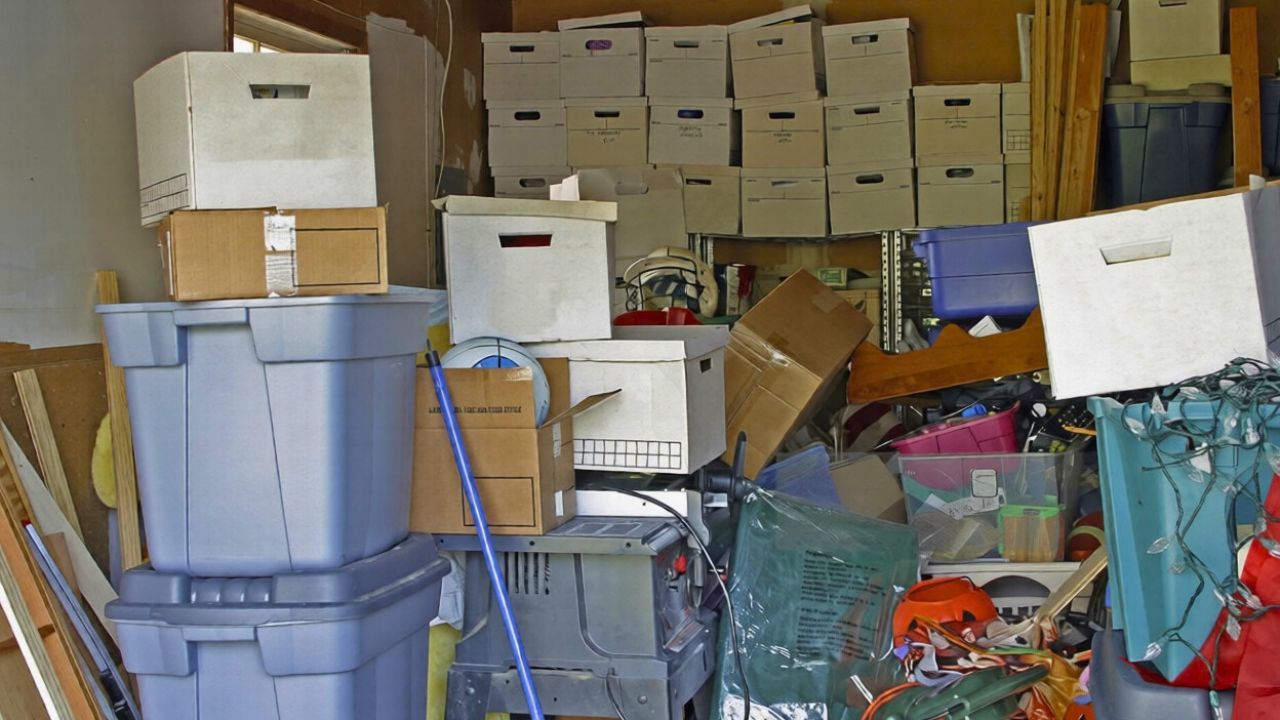
Stacks of cardboard boxes, especially when they sit directly on the floor, are a classic trigger for garage pest problems. Cardboard absorbs moisture and offers dark, layered hiding spots, so it appeals to cockroaches, silverfish, spiders, and even sowbugs that are drawn to damp fibers. Rodent specialists point out that boxes stored along walls provide convenient hiding places for mice, and the same logic applies to insects that want to move unseen along edges and behind piles where you rarely disturb them.
Once the weather warms up, that cluttered wall of boxes or old furniture turns into an ideal microclimate, with stable temperatures, protection from predators, and plenty of cracks where pests can lay eggs. Analyses of how clutter and in garages describe how disorganized piles create hidden pathways that let insects travel from one end of the space to the other while they search for food. Swapping cardboard for plastic totes, keeping items a few inches off the floor, and leaving some empty space between stacks cuts down on those safe corridors and makes the area less attractive to wandering bugs.
4. Stored clothing, linens, and soft goods
Garages often become overflow closets where you stash off season coats, Halloween costumes, sleeping bags, and spare bedding. Those soft materials are very appealing to pests that feed on natural fibers, including clothes moths and silverfish, which are both documented as common indoor invaders in warm conditions. Moths are strongly associated with wool and other animal based fabrics, while silverfish are drawn to starchy materials and glues used in some textiles and storage boxes, so a pile of mixed linens in a humid garage can support both at once.
Safety and storage guidance that warns against keeping seasonal clothing and blankets in garages emphasizes that fluctuating temperatures and pest access can ruin them long before you pull them out again. Combined with the fact that garages already offer protection from extreme temperatures and predators, as pest experts explain, it becomes clear why insects settle into these soft hiding places once spring arrives. Sealing fabrics in hard plastic containers, avoiding vacuum storage bags that can trap moisture, and inspecting items for webbing or tiny holes are practical ways to keep stored textiles from turning into a long term food source for moths and silverfish.
5. Standing water, leaks, and humidity
Water is just as powerful a draw as food once the weather turns hot. Puddles from a leaky water heater, condensation under a second refrigerator, or rain that seeps in under the door all create damp zones that appeal to cockroaches, mosquitoes, sowbugs, and other moisture loving insects. Broader guidance on conditions that attract pests to homes highlights high humidity as a key factor that supports cockroaches and similar insects, especially in poorly ventilated spaces where water cannot evaporate quickly.
Garages are especially vulnerable because they often lack climate control and may have bare concrete that sweats in warm, humid weather. When that happens, you end up with cool, damp corners that feel safe to insects seeking refuge from outdoor heat. Advice on high humidity and stresses better ventilation and prompt repair of leaks, which translates in a garage to using fans or vents, sealing around the base of the walls, and keeping door thresholds in good condition so water does not collect where insects can drink and breed.
6. Cracks, gaps, and worn weatherstripping
Even if you keep food and clutter under control, bugs will still pour in if your garage has open doors and structural gaps that act as highways. The main door is usually the weakest point, especially when the bottom seal is worn or the side tracks have small spaces where light peeks through. Analyses of why pests are attracted to garages describe how these tiny entry points, combined with the shelter and warmth inside, make garages a natural first stop for insects that are fleeing outdoor heat or predators.
Side doors, windows, and utility penetrations for cables or pipes also create access routes when caulk dries out or trim pulls away. Experts who explain why bugs love note that even modern doors leave small gaps if the weatherstripping is not maintained, and those spaces are more than enough for ants, spiders, and small beetles. Replacing worn seals, installing door sweeps, and sealing cracks with exterior grade caulk reduce those pathways and keep the warm season surge of insects from turning your garage into a permanent colony.
7. Garden supplies, firewood, and yard debris
Every time you roll in a wheelbarrow, stack firewood, or park a lawn mower covered in clippings, you risk importing insects that were living comfortably in your yard. Firewood in particular is notorious for harboring ants, beetles, and spiders, and when you stack it along a garage wall, you give those hitchhikers a stable, protected base that stays dry when summer storms roll through. Pest organizations that track garage infestations point out that the space provides the same amenities as other parts of the house, from shelter to access to prey, so outdoor insects that arrive on wood or tools can quickly transition to indoor life.
Bagged soil, mulch, and fertilizer can also draw pests once opened, especially if the bags sit on the floor and collect condensation. Over time, you can end up with sowbugs, centipedes, and other soil dwellers living under and inside those supplies. A practical approach is to keep firewood outside and only bring in what you plan to burn within a day, store soil and mulch on shelving, and shake off garden tools before you roll them into the garage. These steps align with broader advice on why pests are and how to keep them from settling in once they arrive.
8. Unsealed human food, drinks, and “overflow pantry” items
Garages often become unofficial overflow pantries when you stock up on bulk snacks, canned goods, or beverages that do not fit in your kitchen. While metal cans and sealed bottles are not a problem on their own, any cardboard packaged food or opened container quickly turns into a target. Storage guidance from builders who specialize in garage design stresses that extreme temperatures and potential pest access make the space unsuitable for perishable items, and that mice and insects are attracted to food even when it is sealed in thin packaging that they can chew through.
Warm weather makes this worse because high temperatures can cause packaging glues to soften and odors to intensify, which helps pests locate the stash more easily. Rodent control experts describe garages as full of potential nesting sites and food sources, which explains why mice and rats are most commonly found there in every season, and insects often follow the same trails. To avoid turning your garage into a satellite pantry for pests, keep food indoors whenever possible, and if you must store it outside the kitchen, use hard plastic or metal containers with tight lids that deny access to ants, beetles, and rodents drawn by sealed food odors.
9. Sweat, spills, and dirty gear
Garages tend to collect the messier parts of daily life, from gym bags tossed by the door to oil stains under the car and sticky drink spills near a second refrigerator. Pest specialists who look at why pests love garages emphasize that smells from garbage, blood, and sweat all contribute to insect activity, particularly flies and some beetles that are drawn to decaying organic material. When those scents mix with the carbon dioxide and heat that build up in an enclosed garage on a hot afternoon, you create a powerful signal that the space holds food or breeding sites.
Dirty trash cans, recycling bins that still smell like soda or beer, and unwashed pet bedding amplify that effect. At the same time, clutter and hidden corners give pests plenty of places to hide once they arrive, which is why guidance on keeping bugs out consistently pairs sanitation with sealing entry points. Wiping up spills promptly, washing gear that absorbs sweat, and occasionally hosing or mopping the floor can significantly reduce the odors that attract insects in the first place, especially when you combine those habits with the structural fixes and storage changes recommended in expert advice on why invaders enter and broader guidance on clutter and hidden that let them stay.
Like Fix It Homestead’s content? Be sure to follow us.
Here’s more from us:
- I made Joanna Gaines’s Friendsgiving casserole and here is what I would keep
- Pump Shotguns That Jam the Moment You Actually Need Them
- The First 5 Things Guests Notice About Your Living Room at Christmas
- What Caliber Works Best for Groundhogs, Armadillos, and Other Digging Pests?
- Rifles worth keeping by the back door on any rural property
*This article was developed with AI-powered tools and has been carefully reviewed by our editors.