10 Ways People Ruin Their Grass in April Without Realizing It
Photo credit: F Armstrong Photography/Shutterstock.com
You put months of effort into your lawn, then April arrives and you quietly undo half of it with habits that feel helpful but are anything but. The difference between a lush yard in June and a patchy one often comes down to what you do in these few early spring weeks. By spotting the subtle ways you damage turf now, you give your grass a chance to recover before heat, foot traffic, and summer drought push it to the limit.
Most of the damage does not come from dramatic mistakes; it comes from small, repeated choices that stress roots, compact soil, and invite weeds. By adjusting how you mow, water, seed, and tidy in April, you protect the investment you already made in your lawn and set yourself up for a greener, thicker surface for the rest of the year.
1. Starting your spring routine before the lawn has actually woken up
When the first mild weekend hits, you may feel an urge to drag out the mower, rake every corner, and flood the yard with water and fertilizer. If the soil is still cold and the grass is just emerging from dormancy, that rush can tear tender shoots, compact wet ground, and leave ruts that linger all season. Several lawn pros warn that starting too early in spring is one of the fastest ways to set your grass back before it has a chance to grow.
Instead of relying on the calendar alone, watch your lawn itself. Wait until the ground firms up underfoot, the grass blades show clear new growth, and you no longer see standing water after a light rain. In early Apr, that might mean you only walk on the lawn to check conditions and clear obvious debris. By holding off heavy raking, rolling, and mowing until the turf is actively growing, you avoid the early compaction and crown damage that quietly ruins root systems for the rest of the year.
2. Mowing too early and far too short on the first cuts
Even once you decide the lawn is ready, the way you handle those first passes with the mower can make or break the season. Rushing out as soon as the snow melts and scalping the yard slices into the growing points at the base of each plant and strips away the leaf surface that powers root growth. Specialists who track early spring habits point out that mowing too early damages the grass you are trying to grow, especially when the soil is still soft.
Cutting too low on those first passes is just as harmful. Guidance on spring lawn care repeatedly flags mowing too short as a core problem that leads to shallow roots and more weeds. Research shared through turf experts such as Peter Landscho shows that grass grows from the base of the plant at the soil surface, and the taller the grass, the more extensive the root system. Keeping your first few cuts of spring on the high side and removing no more than one third of the blade at a time protects those growing points and lets roots rebuild after winter.
3. Watering before the soil and roots actually need it
In April you often see surface dryness long before the root zone is thirsty, especially if you have wind and sun but cool nights. Responding to every pale patch with a long sprinkler session trains roots to stay shallow and creates soggy conditions that favor disease. Early spring guidance from turf companies notes that watering too soon or too often in cool weather leads to weak grass that struggles once real heat arrives.
How you water matters as much as how often. Lawn specialists who list overwatering or underwatering among the most common mistakes explain that you want deep, infrequent sessions instead of daily light sprinkles. In April, that usually means waiting until footprints linger in the grass or the soil is dry a couple of inches down before you run irrigation. Letting spring rains do most of the work and only supplementing when the turf shows stress helps you avoid root rot, moss, and the nutrient leaching that follows constant saturation.
4. Dumping on fertilizer and seed without a plan
As soon as garden centers stack pallets of fertilizer in early Apr, it is tempting to grab a bag, crank the spreader wide open, and assume more product means more green. The opposite often happens. Applying too much nitrogen at once, especially on cool soil, risks burned grass and nutrient runoff that washes into drains and streams. Early season advice on misapplying fertilizer explains that heavy doses can scorch leaf tissue and fail to reach the roots that actually need the nutrients.
Seeding can be just as tricky when you do it in the wrong window. Many turf managers warn that seeding in the often disappoints because soil temperatures and weed pressure work against new grass. If you overseed in April and then apply crabgrass control or other pre emergent products, you can also prevent your own seed from germinating. A better approach is to test your soil, follow label rates on any fertilizer, and time seeding so that new grass has a clear window to establish without chemical or heat stress.
5. Ignoring soil health, compaction, and pH while you chase a greener color
By April you can see color differences across your lawn, and it is easy to assume that more product on top will fix them. In reality, the biggest gains often come from what is happening below the surface. Some of the most detailed lists of top lawn care start with ignoring soil health, because compacted, acidic, or nutrient poor soil cannot support dense turf no matter how much you fertilize.
April is also when you tend to roll heavy wheelbarrows, run mowers over soft areas, and host the first backyard gatherings, all of which increase compaction. Guidance on April lawn care highlights soil compaction and poor drainage as common problems that show up as puddles and thinning grass. Scheduling aeration for spring on the worst traffic areas, avoiding unnecessary rolling, and correcting pH with lime or sulfur based on a test give roots air and nutrients instead of chasing cosmetic fixes.
6. Letting mowing habits shred, stress, and scorch the turf
Once you are mowing regularly, the way you handle the machine can quietly ruin grass even if the height is correct. If you never sharpen the blade, every pass tears instead of slices, which leaves jagged edges that brown quickly and invite disease. Lists of common lawn care repeatedly call out dull blades and poor mowing patterns because they combine to stress grass at precisely the time it is trying to recover from winter.
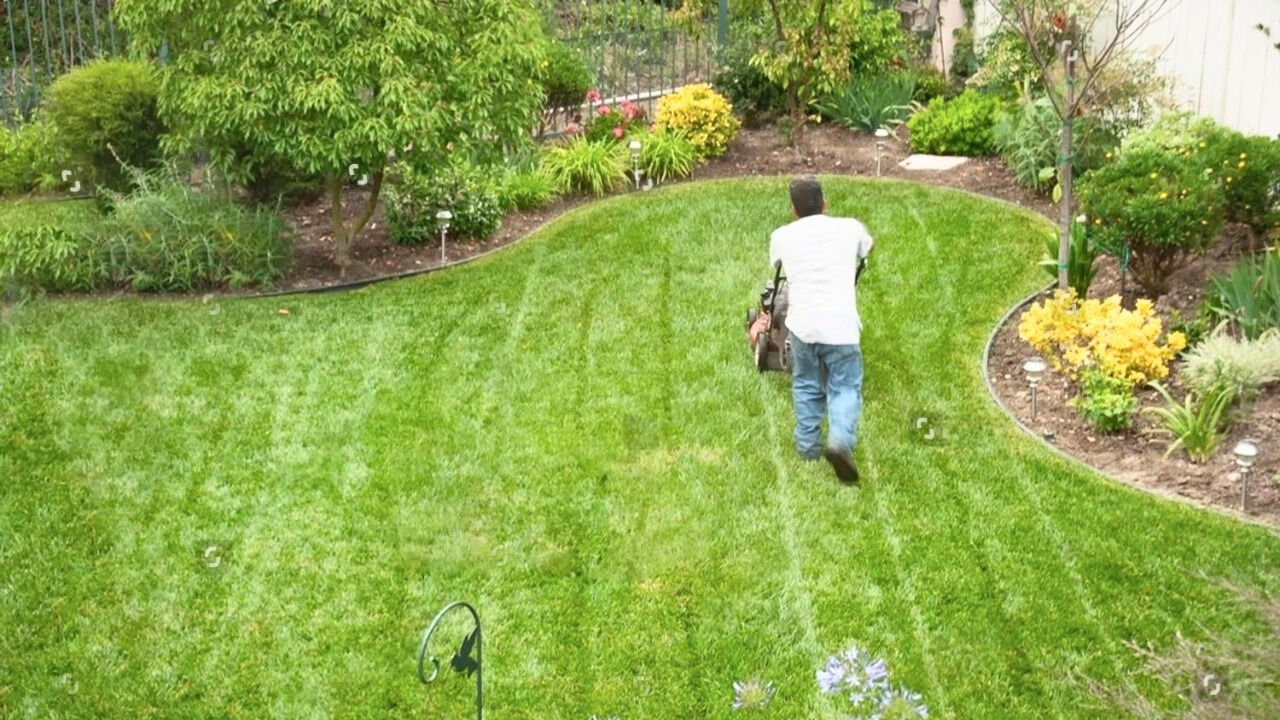
Your mowing routine in April also sets the tone for the entire season. Cutting only when you have time on weekends often means removing far more than one third of the blade, which scalps high spots and exposes soil. Turf specialists who describe ways you are explain that this habit thins turf and opens space for weeds. If you adjust your schedule in April so you can mow more frequently at a higher setting, vary your mowing direction, and avoid turning sharply on the same spots, you prevent the wheel ruts and burn lines that show up in summer.
7. Skipping pre emergent weed control or applying it at the wrong time
By the time you see crabgrass and broadleaf weeds in May, you are already behind. The seeds that cause the problem germinate as soil warms in April, which is why so many professionals urge you to eradicate weeds before they pop up. If you skip pre emergent products entirely, or spread them weeks after germination has started, you give annual weeds a head start that dense turf will struggle to overcome.
The flip side is just as damaging. Throwing down pre emergent herbicides in early Apr and then trying to fix bare patches with seed often prevents your own seed from sprouting. Detailed breakdowns of common lawn care stress that you need to choose between spring seeding and season long pre emergent control or separate them by enough time that the chemical barrier fades. Planning ahead in March, watching soil temperature, and following product labels on timing and watering in helps you avoid the April scramble that leads to wasted product and patchy results.
8. Overcleaning beds and borders in ways that hurt both turf and wildlife
April yard cleanups often turn into full scale strip downs. You rake every leaf, cut every stem to the ground, and edge borders until there is bare soil between lawn and beds. That kind of tidying can harm beneficial insects and birds that overwinter in stems and leaves, and it can also destabilize the edges of your lawn. Garden advice that lists surprising mistakes that points to tidying too early and using supposedly safe pellets and sprays as practices that damage pollinators and natural pest control.
When you scalp the edges of beds with a string trimmer or strip away all organic matter, you also increase erosion and expose lawn roots. That bare soil heats up faster and dries out, which encourages weed seeds to germinate right at the lawn edge. Leaving a light mulch of shredded leaves in beds, avoiding aggressive edging until grass is actively growing, and skipping broad spectrum pesticides in April instead protects both your turf and the beneficial life that helps keep it healthy through summer.
9. Treating all grass types the same and ignoring April’s weather swings
Not all lawns respond to April in the same way. If you have cool season grasses such as Kentucky bluegrass or fescue, they wake up quickly in spring and welcome careful feeding and mowing. Warm season grasses such as bermudagrass, St. Augustine grass, centipedegrass, and zoysiagrass stay sluggish until soil temperatures climb, which means aggressive April work can shock them. Guidance on avoiding lawn slaughter explains that warm season species grow most actively when soil temperatures rise and that they are more vulnerable to late cold snaps, drought, and disease if you push them too early.
April weather also swings wildly between warm afternoons and surprise frosts, which can magnify any stress you create with mowing, watering, or fertilizing. Treat your yard like a uniform green carpet instead of a mix of species and microclimates and you miss those differences. Video tutorials such as Why You Will and spring checklists from CPP and other professionals keep coming back to the same point: match your April routine to your specific grass type, soil, and weather, not just to what neighbors are doing. When you slow down, watch how your lawn responds, and adjust your habits, you avoid the quiet April mistakes that turn into brown patches and weed invasions by midsummer.
Like Fix It Homestead’s content? Be sure to follow us.
Here’s more from us:
- I made Joanna Gaines’s Friendsgiving casserole and here is what I would keep
- Pump Shotguns That Jam the Moment You Actually Need Them
- The First 5 Things Guests Notice About Your Living Room at Christmas
- What Caliber Works Best for Groundhogs, Armadillos, and Other Digging Pests?
- Rifles worth keeping by the back door on any rural property
*This article was developed with AI-powered tools and has been carefully reviewed by our editors.