10 Signs Your Sprinkler System Is About to Cause a Headache
Photo credit: Toa55/istock.com
Your sprinkler system is supposed to save you time and keep your yard looking sharp, not surprise you with soggy spots, dead grass, or a sky-high water bill. When components start to fail, they rarely do it quietly, and the warning signs usually show up on your lawn long before something breaks outright. If you know what to watch for, you can step in early and avoid the kind of repair headache that ruins both your landscape and your budget.
The most reliable clues are often simple: Uneven or Dry Patches on Your Lawn, strange puddles, weak spray, or sprinkler heads that behave differently from one zone to the next. By paying attention to these patterns and acting quickly, you give yourself the best chance to fix small issues before they turn into major leaks, damaged plants, or ruined hardscapes.
1. Uneven watering and dry patches that never fill in
When your lawn starts to look like a patchwork quilt, with some areas lush and others thin or brown, your irrigation system is usually trying to tell you something. Persistent Uneven or Dry Patches on Your Lawn signal that water is not reaching certain areas at all, or that some spots are getting far more than they need. You might notice one strip along the driveway that stays dusty while a nearby bed looks healthy, or a ring of brown around a tree where the spray pattern is blocked by branches.
Professionals treat this kind of uneven watering as one of the clearest common signs that a system is not working properly. Dry patches often point to clogged nozzles, misaligned heads, or a zone that has lost pressure and can no longer push water to the farthest heads. Landscape specialists who focus on Signs Your Sprinkler System Needs Repair explain that uneven watering and visible Dry Patches indicate that some heads may be stuck, buried, or blocked, and that your lawn is no longer getting the consistent coverage it needs to stay healthy.
2. Puddles, soggy soil, and pooling near lines
Water that lingers on the surface is another sign that your system is about to create a headache. When puddles form in the same spots after each cycle, or you find yourself stepping into soft, sponge-like soil along a trench where pipe was installed, you are likely dealing with a leak. Excessive dampness can appear even when the rest of the lawn looks normal, and you may see a thin stream running along a walkway or driveway edge long after the sprinklers shut off.
Specialists who outline Warning Signs of a Sprinkler Line Leak Every Homeowner Should Know point directly to excessive dampness, pooling water, or soft ground as indicators that a buried line has cracked or a fitting has failed. When you see water collecting in low spots or near the base of a slope, you may be watching treated drinking water seep out of a damaged pipe instead of reaching your turf. Guidance aimed at Keeping an Idaho lawn healthy and green notes that ignoring this kind of pooling not only wastes water but can also erode soil, undermine hardscapes, and invite fungal diseases, which turns a simple repair into a much larger landscape project.
3. Sprinkler heads that sputter, lean, or stay stuck
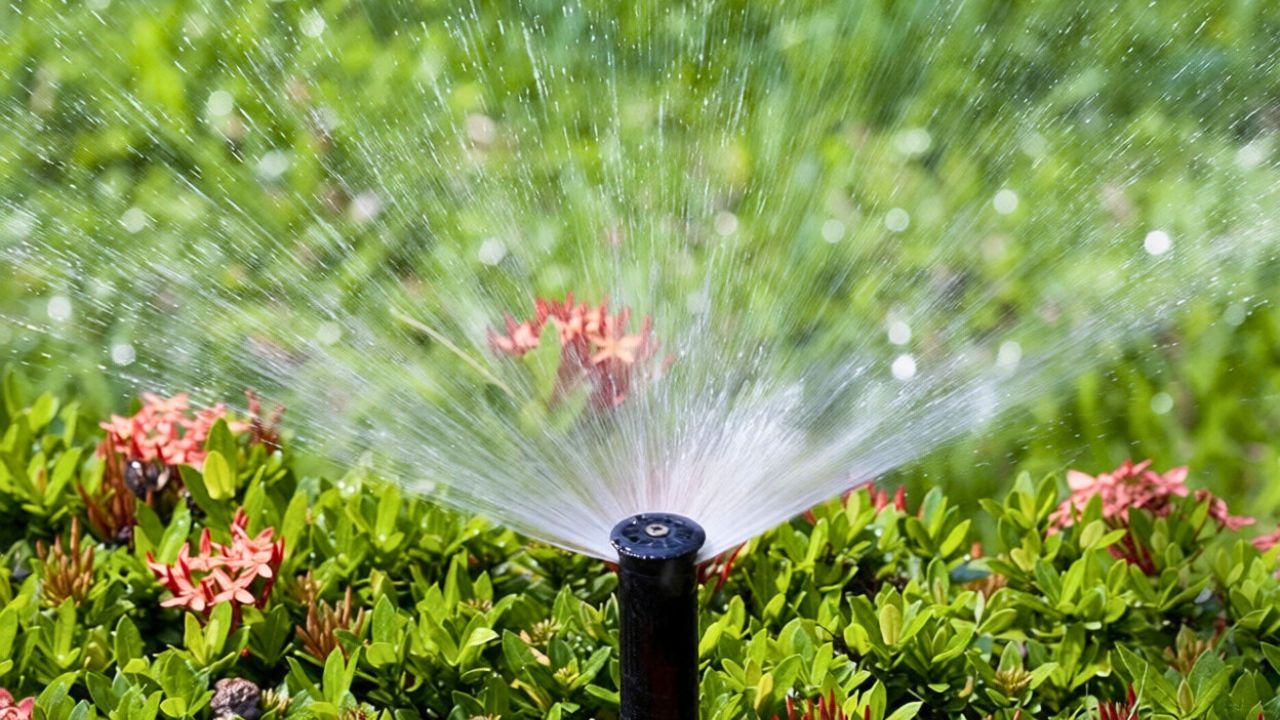
Sprinkler heads are the visible tip of your irrigation system, and when they start to misbehave, you usually see it right away. Heads that sputter, spray in odd directions, or never fully pop up are often clogged with dirt or damaged by lawn equipment. You may notice a head that leans at an angle, one that dribbles water even when the zone is off, or a rotor that no longer completes its full arc and leaves part of a bed unwatered.
Technicians who focus on Signs Your Sprinkler Heads Need to be Replaced describe how Maintaining a lush, green lawn requires a reliable irrigation system, yet sprinkler heads are not built to last forever. As plastic components age, seals fail and springs weaken, which leads to inconsistent spray patterns and leaks around the base. When guidance on Signs Your Sprinkler Heads Need to be Replaced points to broken casings, stuck risers, or heads that never retract, the recommendation is straightforward: once repairs stop holding, it is time to update your sprinkler heads with newer models that match your current water pressure and coverage needs.
4. Soft or muddy ground when everything should be dry
Sometimes the trouble is not obvious at the surface but shows up underfoot. If you walk across a zone a full day after watering and feel your shoes sink into soft or muddy ground, you may have a slow leak that runs long after the controller shuts off. This kind of hidden saturation can appear between heads or along a lateral line, and it often shows up as a narrow strip of extra-green grass that grows faster than the rest of the yard.
Service teams that explain Signs Your Irrigation System Needs Repair point to Soft or Muddy Ground as a key indicator that valves or underground zones are causing the issue. When a lateral line cracks, water can seep into the soil continuously, which keeps one part of your lawn soggy while the rest dries out. Other guidance on Signs Your Irrigation System Needs Repair, Before It Costs You More, notes that one part of your lawn may look unusually vibrant because it is receiving constant moisture, while nearby plants in open areas start to show stress from inconsistent watering, a pattern that often traces back to a leak that never fully shuts off.
5. High water bills that do not match your usage
Sticker shock from your utility bill is one of the most expensive warning signs that something is wrong. When your water usage jumps even though your household habits have not changed, your irrigation system is a prime suspect. A damaged pipe, stuck valve, or misprogrammed controller can push thousands of extra gallons through your meter each month without any obvious change in how your lawn looks, especially if the leak is underground or runs at night.
Experts who outline 5 Signs Your Irrigation System Needs Repair point out that High Water Bills and Unexpected spikes in usage rarely come from showers or kitchen sinks. Instead, they trace back to leaks in irrigation lines or zones that run longer than intended. Other specialists who list 10 Signs a Sprinkler System Needs Repairs similarly highlight an Increase in Water Bills as a clear indicator that something in the system is wasting water. When you compare your current bill to the same month last year and see a sharp rise, it is a strong cue to inspect your controller settings, look for damp spots, and schedule a professional evaluation before the next billing cycle multiplies the damage.
6. Weak spray, misting, or wild pressure swings
Water pressure that is too low or too high can quietly damage your system long before you see obvious failures. Low pressure shows up as weak spray that barely clears the head, or as zones where the farthest heads never activate at all. High pressure creates a fine mist that drifts away in the wind, leaving plants under-watered even though the system appears to be running, and it can cause fittings to loosen or break over time.
Guides that explain When to Repair a Sprinkler System, Identifying Problems Before They Escalate, describe how water pooling in unexpected areas can combine with pressure changes to leave some parts of your yard too wet and others too dry. Another resource that lists These 3 Signs May Indicate Your Irrigation System Needs to Be Repaired emphasizes A Change in Water Pressure as one of the earliest clues that your system is not delivering what your lawn and landscape need. When zones that once produced steady, even spray suddenly look weak or overly forceful, you may be dealing with a failing pressure regulator, partially closed valve, or clogged filter that deserves attention before it leads to broken heads or cracked pipe.
7. Controllers, valves, and zones that act unpredictably
Your controller and valves function as the brain and nervous system of your irrigation setup, and glitches here can create headaches even when the hardware in the yard looks fine. If zones refuse to turn on, run at the wrong time of day, or stay active long after the schedule should have ended, you are likely facing an electrical or programming issue. You might also notice certain areas never water at all, even though the schedule on the display appears correct.
Diagnoses that focus on Common Sprinkler System Issues describe a Faulty Sprinkler Controller as one of the most critical problems you can face, because it affects every zone tied to that device. When the controller sends the wrong signals, valves may stick open and cause water to leak even when the system is supposed to be off, or they may fail to open at all, leaving entire sections of your yard dry. Specialists who discuss Signs That Your Irrigation System Is not Working Properly explain that troubleshooting often starts at the controller and wiring, since a single loose connection can cause some zones to flood while Others are Light Green or stressed from lack of water.
8. Runoff, overspray, and water where it does not belong
Water that consistently ends up on sidewalks, driveways, or the side of your house instead of in planting beds is a warning sign that your system is out of balance. Overspray can leave streaks on fences, saturate foundations, and create slippery algae on pavers. You might see streams of water flowing down the curb during a cycle, or notice that your neighbor’s yard looks damp after your sprinklers run.
Landscape professionals who describe Signs That Your Sprinkler System May Be in Need of Repair point to Excessive water runoff and frequent puddling as evidence of incorrect zone settings, misaligned heads, or slopes that are receiving more water than the soil can absorb. Another guide that outlines 8 Warning Signs You Need Sprinkler Repairs lists Uneven Watering Or Dry Patch problems alongside runoff, noting that like any mechanical system, sprinklers can wear out and start to leak or spray in the wrong direction. When you see sheets of water leaving your property instead of soaking in, you are not only wasting a resource but also signaling that your system needs adjustment before erosion or structural damage sets in.
9. Strange noises, aging hardware, and heads past their prime
Unfamiliar sounds from your irrigation system often arrive shortly before more visible failures. If you hear banging pipes, whistling at the backflow device, or chattering valves when a cycle starts, you may be dealing with trapped air, pressure spikes, or components that are wearing out. Over time, these stresses can crack fittings, loosen threaded connections, and accelerate leaks that would otherwise have taken years to appear.
Guidance that lists 10 Warning Signs Your Sprinkler System Needs Urgent Repair notes that after a sprinkler system is installed and used several times, you should be used to the sounds it makes during operation, and that new noises can point directly to the source of trouble. At the same time, specialists who explain Top 5 Signs Your Sprinkler System Needs Repairs, And How to fix them, stress that maintaining a healthy and functional system protects both your lawn and your wallet, which means replacing worn hardware before it fails outright. When you combine those insights with advice from technicians who focus on 6 Signs Your Sprinkler Heads Need to be Replaced, and who emphasize that Maintaining a reliable irrigation system sometimes requires you to update your sprinkler heads proactively, you get a clear message: if your system looks and sounds tired, it is time to plan upgrades instead of waiting for a mid-summer breakdown.
Like Fix It Homestead’s content? Be sure to follow us.
Here’s more from us:
- I made Joanna Gaines’s Friendsgiving casserole and here is what I would keep
- Pump Shotguns That Jam the Moment You Actually Need Them
- The First 5 Things Guests Notice About Your Living Room at Christmas
- What Caliber Works Best for Groundhogs, Armadillos, and Other Digging Pests?
- Rifles worth keeping by the back door on any rural property
*This article was developed with AI-powered tools and has been carefully reviewed by our editors.