10 Things People Do in Spring That Kill Their Garden Soil
Photo credit: ABO PHOTOGRAPHY/Shutterstock.com
Spring can either recharge your soil or quietly strip it of life. The difference often comes down to a handful of habits you repeat every year without realizing how hard they are on the underground ecosystem that feeds your plants. If you want stronger roots, fewer pests, and better yields, you need to stop doing the things that slowly kill your garden soil just as the growing season begins.
1. Tilling Every Spring Out of Habit
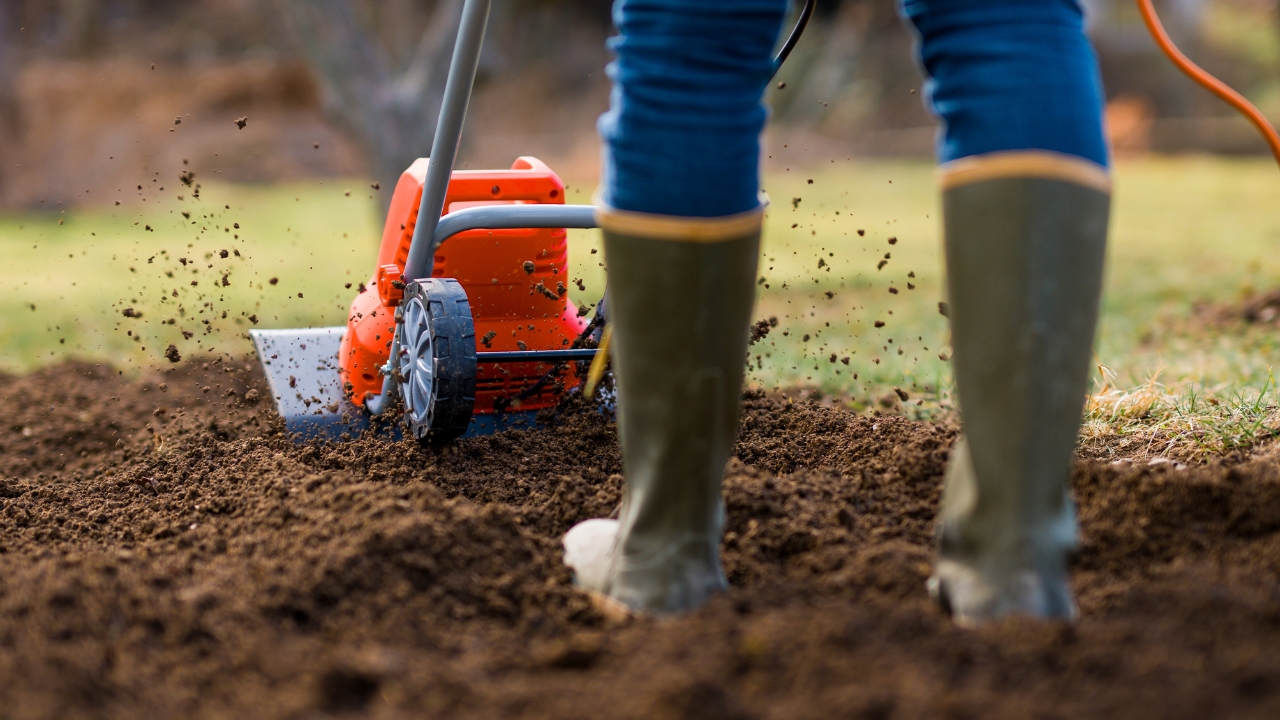
You might feel as if you are giving your beds a fresh start when you run a tiller through them each spring, yet repeated tilling can turn living soil into dust. Each time you churn the top layer, you break apart soil aggregates that hold water and air, and you slice through earthworms and fungal networks that move nutrients between plant roots. Research cited in coverage by Brandon Marcus for Feb shows that frequent tilling can leave soil loose and fluffy in April but hard, compacted, and almost lifeless by July, which is exactly when your plants need moisture and airflow the most. That same reporting explains how this habit can sabotage your entire spring garden before you even finish planning your planting layout, especially if you work the ground while it is still wet and vulnerable to compaction.
Soil scientists who study long term plots have found that reducing disturbance protects organic matter and the microscopic life that cycles nutrients. Guidance from the United States Department of Agriculture on soil health emphasizes keeping soil covered and minimizing disruption so bacteria, fungi, and invertebrates can form stable structure. Instead of full width tilling, you can loosen only the planting row with a broadfork, add compost on top, and let worms pull it down. Over a few seasons, you will see fewer crusted surfaces after rain, better infiltration, and roots that travel deeper without hitting a hardpan left behind by years of aggressive cultivation.
2. Walking and Working on Wet Beds
Once the snow melts, you probably want to get into the garden as soon as possible, but stepping on wet beds is one of the fastest ways to crush soil life. Walking or pushing a wheelbarrow across saturated ground squeezes out pore spaces that normally hold air and water. That compaction makes it harder for roots to penetrate and for microbes to breathe, which can stunt seedlings before they even have a chance. Soil educators describe how routine spring activities such as cultivation, weeding, and adding compost all create soil disruption, and they warn that traffic on wet ground magnifies the damage.
You protect your soil by treating garden beds as no step zones and confining your feet to permanent paths. Lay down boards or stepping stones if you must reach into the center of a bed early in the season, and wait to dig until a handful of soil crumbles instead of smearing. The same mindset helps with spring cleanup: instead of raking every inch as soon as thaw begins, work from the edges, remove only what you need, and leave the rest until the surface has dried. Over time, this restraint preserves the crumbly structure that lets water infiltrate instead of ponding on the surface and keeps oxygen flowing to the microbes that support your plants.
3. Overwatering or Letting Soil Stay Soggy
Spring weather tempts you to water on a schedule, especially when you are eager to get seeds and transplants growing, yet both overwatering and underwatering can wreck soil structure. Reporting on seasonal gardening mistakes explains that poor water management, from frozen hoses to saturated beds, compromises spring yields by starving roots of oxygen or leaving them desiccated. Keeping soil constantly wet drives out air and favors anaerobic microbes that produce toxins and foul smells, while delicate beneficial fungi and bacteria die back. Clay soils are especially vulnerable, because once the structure collapses under excess water, they dry into hard clods that are difficult to rehydrate.
Allowing soil to swing from bone dry to flooded also stresses plants and the organisms that support them. Guidance on common soil mistakes points out that healthy beds need consistent moisture rather than extremes, and that you should adjust watering to the actual conditions instead of the calendar. A simple way to protect soil is to check two to three inches down with your fingers before turning on a hose. Drip lines or soaker hoses deliver water slowly so it can soak in without eroding the surface, and mulch helps keep that moisture in place. Over time, this steadier pattern encourages deeper roots and a more resilient microbial community that can handle short dry spells without collapsing.
4. Stripping Away Every Leaf and Bit of Debris
A spotless garden might look satisfying in spring, but hauling away every leaf and dead stem deprives your soil of the very materials that build fertility. When you remove organic matter, you take with it a slow release source of carbon and nutrients that would otherwise feed earthworms, beetles, and fungi. Soil health guidance from the United States Department of Agriculture stresses that residue on the surface protects against erosion, buffers temperature swings, and provides food for soil bacteria that drive nutrient cycling. If you rake beds down to bare dirt each spring, you expose that surface to pounding rain and wind that can wash away the finest, most fertile particles.
You can still keep things tidy without starving your soil. One approach is to chop and drop non diseased plant material, cutting stems into short sections and letting them lie as a thin mulch that breaks down quickly. Spring cleanup guides from lawn and garden experts suggest focusing your energy on removing matted, diseased, or pest infested debris, while leaving scattered leaves and stems that do not pose a problem as a protective layer. When you follow that advice, you save time and fuel on hauling and bagging, and you turn what used to be “waste” into a resource that steadily improves your soil’s ability to hold water and nutrients for the season ahead.
5. Using the Wrong Fertilizer at the Wrong Time
Fertilizer can rescue struggling plants, but dumping nutrients on cold, inactive soil in early spring often does more harm than good. Coverage of seasonal gardening habits describes how applying fertilizer in late winter or very early spring feels proactive yet can backfire when roots are not ready to absorb it. Excess nitrogen salts can burn tender root tips, kill beneficial microbes, and leach into groundwater once heavy spring rains arrive. Later reporting on soil preparation warns that using excessive or wrong fertilizers without a soil test is one of the biggest mistakes gardeners make before planting, and that this habit can make the entire season harder than it needs to be.
You give your soil a better chance if you start with information instead of guesswork. A basic test for pH and nutrient levels, highlighted in coverage of ignoring soil testing, tells you whether you actually need phosphorus, potassium, or lime. Once you know what is missing, you can choose slower release amendments such as composted manure or rock powders that feed soil life as they break down instead of shocking it. You can also time heavier applications for late spring, when soil temperatures rise and roots are actively taking up nutrients, which reduces runoff and keeps more fertility where your plants can use it.
6. Over-Tilling and Pulverizing the Top Layer
Even if you do not till every year, running a rototiller until the surface looks like flour can quietly destroy structure. Reporting on long term gardening habits lists over tilling as a key way people damage their soil, because it grinds apart aggregates and leaves nothing to resist crusting. Once that crust forms after a rain, water tends to run off instead of soaking in, and seeds have trouble breaking through. Brandon Marcus, writing for Feb, explains in his piece “Why This Common Soil Habit Is Secretly Destroying Your Spring Garden” that this kind of repeated disturbance can leave beds looking perfect in early spring but stubborn and lifeless by midsummer. His reporting ties that decline directly to the loss of fungal hyphae and worm channels that normally keep soil open.
You can still prepare a seedbed without pulverizing it. One strategy is to work only the top inch or two for small seeds, leaving the deeper layers intact so they retain their structure. Another is to switch from mechanical tillers to hand tools for most tasks, using a hoe or rake to break up clods only where you need to plant. When you combine that lighter touch with regular additions of compost, you gradually rebuild aggregates that resist erosion and compaction. Over several seasons, you will notice that you need to do less and less spring “prep” because the soil stays loose enough to plant with minimal disturbance.
7. Mulching Too Early or the Wrong Way
Mulch is one of your best tools for protecting soil, yet using it too early in spring can trap cold and moisture where you do not want them. Reporting on common soil habits warns that early mulching mistakes can sabotage your garden before you even set out seedlings, especially if you pile material against stems and over still frozen ground. Brandon Marcus, writing for Feb, notes in “Why This Common Soil Habit Is Secretly Destroying Your Spring Garden” that you can undermine root health when you seal in icy, saturated conditions under a thick blanket that never has a chance to dry. That kind of timing error sets up perfect conditions for root rot and fungal problems that will linger all season.
You get better results when you wait until the soil has warmed and drained before applying a full layer. Guidance on avoiding early mulching suggests pulling mulch a few inches back from plant crowns and tree trunks so bark surfaces stay dry and air can circulate. You can start with a thin layer that shades the surface while still allowing warmth to reach the root zone, then top it up once nights are consistently mild. If you used winter mulch to protect perennials, loosening or removing part of it in early spring helps the soil wake up without sudden stress. That balance lets you keep the moisture saving and weed blocking benefits of mulch without suffocating the living community underneath.
8. Treating Soil Like Trash Storage
Spring cleanup often sends you hunting for a convenient place to dump ashes, leftover construction materials, or random kitchen waste, and the garden bed can look like an easy solution. The problem is that many of those materials quietly contaminate soil or throw off its chemistry. Coverage of harmful garden habits explains how some viral hacks that involve burying non compostable items or concentrated food waste can ruin soil health by creating pockets of rot, attracting pests, or adding heavy metals. Additional reporting on household items notes that certain kitchen products and packaging can leach chemicals that persist in the ground and move into plant tissues.
Even your watering system can contribute to the problem. One investigation into hoses found that some garden hoses, especially older models, may leach plasticizers and metals into water that then accumulates in soil, which is why experts urge you to think about hose chemicals as part of your soil strategy. Instead of burying questionable waste, you can set up a proper compost system for plant based scraps and dispose of treated wood, ashes, and plastics through safer channels. Choosing hoses labeled as safe for drinking water, and storing them out of direct sun, further reduces the load of unwanted substances that reach your beds each spring.
9. Rushing Cleanup and Weed Control with Harsh Shortcuts
Like Fix It Homestead’s content? Be sure to follow us.
Here’s more from us:
- I made Joanna Gaines’s Friendsgiving casserole and here is what I would keep
- Pump Shotguns That Jam the Moment You Actually Need Them
- The First 5 Things Guests Notice About Your Living Room at Christmas
- What Caliber Works Best for Groundhogs, Armadillos, and Other Digging Pests?
- Rifles worth keeping by the back door on any rural property
*This article was developed with AI-powered tools and has been carefully reviewed by our editors.