10 Outdoor Storage Habits That Turn Into Mold by May
Photo credit: Nalidsa/Shutterstock.com
You treat your shed, deck box, or storage unit as a safe place to stash gear for the winter, but the way you pack and park those items can quietly set up a mold problem that explodes by May. Mold spores only need moisture, mild temperatures, and something to feed on, and outdoor storage habits often deliver all three. With a few targeted changes, you can keep your seasonal gear ready for spring instead of smelling like a basement.
The patterns that lead to mold are surprisingly consistent: trapped moisture, poor airflow, and organic materials pressed together in dark corners. Once you recognize those patterns in how you use your shed or storage unit, you can break the cycle and stop mold before it stains fabrics, warps wood, and ruins stored clothes or furniture.
1. Sealing the Shed Tight All Winter
When you shut a garden shed or outdoor storage building in late fall and barely touch it again until spring, you create the kind of stagnant environment mold loves. In winter, cold outside air often meets slightly warmer air inside the shed on sunny days, which creates condensation on walls, ceilings, and stored items. Reporting on Winter storage explains that this temperature clash turns many sheds into a moisture trap, especially when the structure has little or no ventilation and the door stays shut for weeks at a time.
You reduce that risk by giving the structure a way to breathe. Guidance on mold in your stresses that vents, windows, and even periodic door checks help move damp air out and bring drier air in. You can add simple gable vents, prop the door open on dry, breezy days, or install a small solar fan to keep air circulating. If you use a portable fabric shelter, make sure the cover is tensioned correctly so water sheds off instead of pooling, and check that snow or debris is not blocking any built-in vent openings.
2. Packing Damp Gear After Fall and Winter Fun
One of the fastest ways to turn a storage space into a mold incubator is to stash damp items after a camping trip, a ski weekend, or a round of early spring yard work. Mold spores are already present on fabrics, wood, and cardboard, and they only need a bit of lingering moisture to start growing. Advice on Spring and Summer mold notes that as temperatures rise and humidity increases, any moisture you trapped in late winter or early spring becomes the perfect starter kit for growth just as you expect to pull everything back out.
To avoid that, you need a firm habit of drying and cleaning before you store. Seasonal guidance on skipping cleaning warns that putting away camp chairs, tarps, and cushions with even light soil and moisture gives mold food and water in one package. Hang tents and sleeping bags fully open until they are bone dry, wipe down lawn furniture, and wash or at least thoroughly air out outdoor textiles before they disappear into the shed. The extra day of drying time often makes the difference between fresh gear and a musty surprise in May.
3. Storing Everything Flat on the Floor
When you line the floor of a shed or storage unit with boxes and furniture, you trap items in the dampest zone of the space. Concrete and compacted soil tend to stay cooler than the air, which encourages condensation under plastic bins and wood furniture. Advice on preventing mold in storage units explains that keeping belongings off the cold, potentially damp floor is a key step, and that shelving improves airflow around boxes and bins so moisture has a harder time lingering.
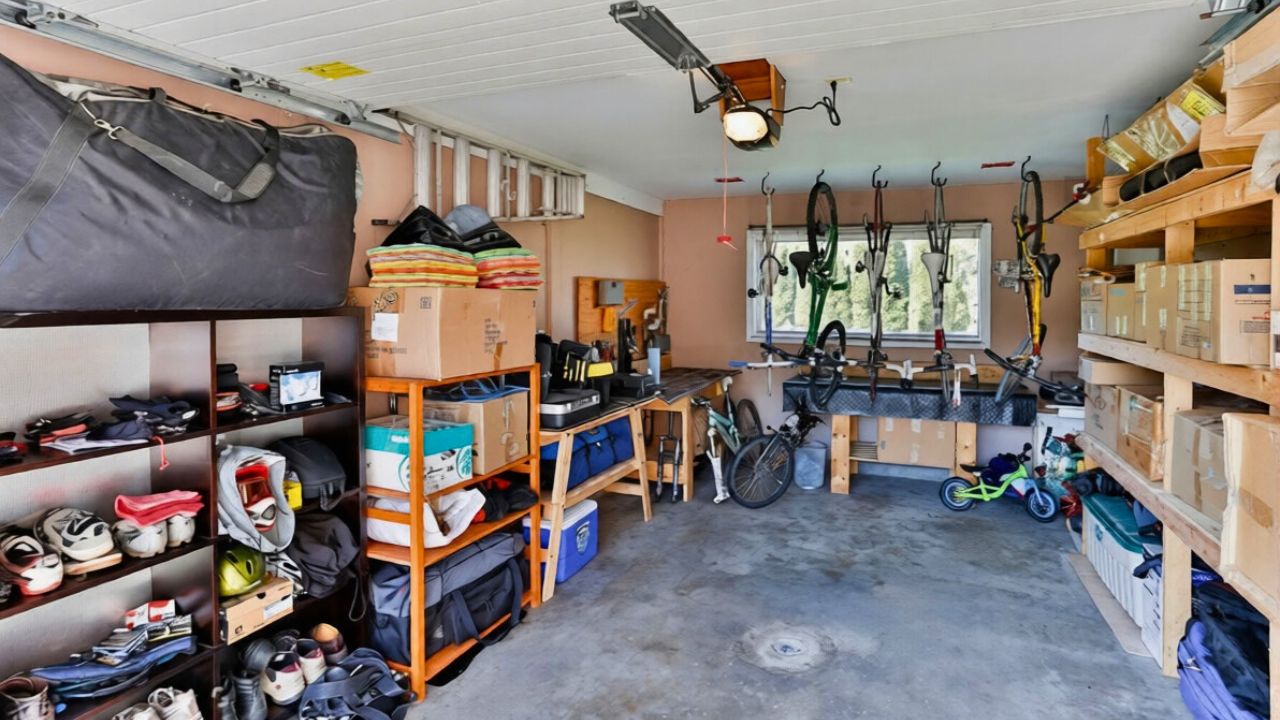
Simple changes in layout can dramatically cut your risk. Guidance on how to store with care recommends installing metal or plastic shelving and leaving a few inches between items and walls so air can move freely. Pallets under heavy items like snow blowers or lawn mowers keep them out of any water that might seep or condense on the floor. If you use a portable outdoor building, adding a raised wooden platform or pressure-treated skids under the structure itself helps separate the interior from ground moisture that would otherwise wick up into the space.
4. Relying on Cardboard Boxes and Soft Containers
Cardboard feels convenient, but in an outdoor environment it behaves like a sponge. It absorbs humidity, holds onto dampness from the floor or walls, and provides organic material that mold can digest. Storage experts who focus on mold and mildew point out that cardboard boxes in storage units are frequent hotspots because they trap moisture inside and can collapse or stick together, which further reduces airflow. Once one box grows mold, the spores easily spread to neighboring containers and the items inside.
Switching to sealed plastic bins or other moisture resistant containers gives you a better line of defense. Guidance on preventing mold and recommends sturdy plastic totes with tight lids, especially for fabrics, paper goods, and sentimental items. Advice on Choosing the Right Storage Containers for Clothes reinforces that plastic bins, combined with silica gel or other desiccants, help reduce humidity inside the container and protect clothing fibers from moisture damage. If you must use cardboard, keep those boxes on shelving, away from exterior walls, and avoid placing them directly under known roof drip points.
5. Ignoring Humidity and Skipping Desiccants
Even if you store only dry items, a shed or storage unit that consistently runs humid will eventually invite mold. Spring often brings Increased Humidity as rain and warmer temperatures raise moisture levels in the air, and that moisture can settle into porous materials inside your storage space. Guidance on why mold problems spike in Spring notes that dormant spores from Winter wake up quickly once humidity climbs, especially in enclosed or poorly ventilated areas where air sits still.
You can counter that by actively managing humidity. Advice on how to use desiccants or explains that moisture absorbing products in bins and on shelves help keep relative humidity down around sensitive items. Seasonal guidance on Caring For Your Outdoor Storage Unit This Winter also suggests that if you have a home at the Shore, you probably already rely on a desiccant to keep closed spaces from smelling musty, and the same approach works in a freestanding shed. For larger structures, a small plug-in dehumidifier on a timer or a passive moisture absorber that you refresh regularly can tilt the balance away from mold, especially during wet spells in April and May.
6. Overstuffing Shelves and Piling Items Against Walls
When you pack every inch of wall space and shelving until nothing can move, you choke off the airflow that keeps surfaces dry. Mold thrives in tight pockets where air does not circulate, and outdoor storage habits often create those pockets behind stacked boxes, rolled rugs, and tarps pressed against siding. Guidance on mold in storage sheds emphasizes that speaking of ventilation, air movement is as important inside the shed as vents are in the roof, and that some sheds even come with built in mold protection features that work best when items are not jammed against every surface.
Leaving a little breathing room goes a long way. Advice on prevent mold in recommends a layout that allows air to flow around and behind stored items, which may mean using narrower shelves, pulling furniture a few inches off the wall, and avoiding floor to ceiling stacks. When you practice smart packing techniques, as highlighted in guidance that reminds You that Whether you are storing lawn equipment or family heirlooms you want less moisture hanging around, you give any built in vents or fans a chance to do their job. If you notice condensation behind items in late winter, that is a sign you need to thin out the contents or rearrange them so air can circulate before mold takes hold.
7. Leaving Organic Debris and Clutter Inside
Organic clutter inside and around your storage building quietly feeds mold. Piling leaves against your home or shed, as seasonal mold experts warn, keeps that area damp and can invite spores to colonize the siding and foundation. Inside, cardboard scraps, old newspapers, untreated wood offcuts, and soil left in planters provide similar food sources. When those materials sit in humid corners, mold can grow on them first and then spread to items you care about.
Cleaning up that debris is one of the simplest preventive steps you can take. Guidance on Piling Leaves Against advises raking and piling leaves in a designated area away from the house or shed so moisture does not linger against the structure. Indoors, you protect your belongings by sweeping out sawdust, removing old cardboard, and storing potting soil and mulch in sealed plastic containers instead of open bags. Even small habits, like not leaving damp rags or mops in a corner, reduce the number of places mold can start and then leap to more valuable items by May.
8. Skipping Regular Checks for Leaks and Condensation
Many mold problems in outdoor storage start with a slow leak that goes unnoticed for months. A tiny roof puncture, a loose flashing detail, or a gap around a window can let in enough water to soak insulation, wall panels, or stored items. Guidance on how to prevent mold in notes that You purchased an outdoor storage building to store the things you value, Whether lawn equipment, woodworking tools, or family heirlooms, and that routine inspections for roof or wall leaks are essential if you want to keep those items dry. When you wait until you see visible mold or smell a musty odor, the moisture problem has usually been present for some time.
Short, scheduled walk throughs help you catch issues early. Guidance on how to prevent and eliminate in an outdoor storage building recommends starting with Simple Mold Prevention Tips such as checking for standing water, inspecting the roof cover, and looking for condensation on the inside of windows or metal panels. If you see water staining, bubbling paint, or rust streaks, you can repair the source before Spring humidity accelerates mold growth. In portable fabric shelters, you should also watch for sagging cover sections where water can pool and eventually seep through, and clear snow or debris that might be stressing the frame and opening gaps.
9. Treating Mold as a One Time Cleanup Instead of an Ongoing Risk
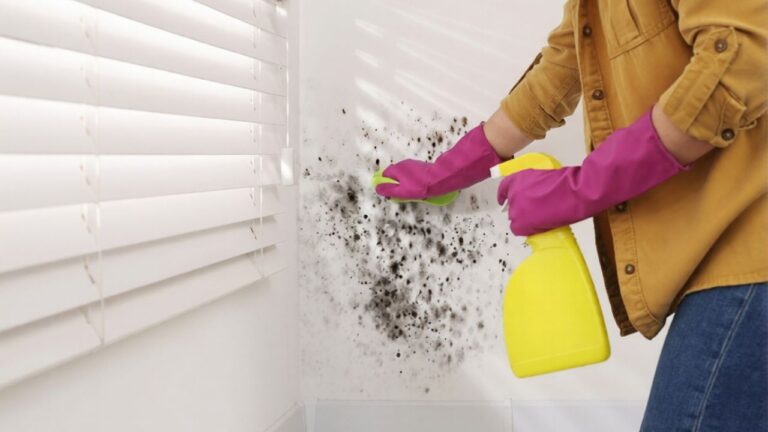
Once you find mold in a shed or storage unit, it is easy to treat it as a one time mess to scrub away and forget. In reality, if you do not change the conditions that allowed it to grow, you can expect it to return by the time the weather warms again. Guidance on what causes mold in a Storage Unit explains that moisture, poor ventilation, and organic materials are the root drivers, and that cleaning without addressing those drivers only offers temporary relief. If you simply spray a visible patch and close the door, spores can stay hidden in fabrics, cardboard, or wall cavities and flare up again when Spring humidity rises.
A better habit is to treat every mold incident as a signal to upgrade your storage practices. Advice on how to prevent mold in stresses that you need a combination of dry items, good airflow, and moisture control products to keep mold out of your unit. That might mean replacing cardboard with plastic bins, adding desiccants, improving ventilation, or rearranging items so air can circulate. If you use a rented facility, resources like self storage search can help you compare units that offer climate control or better construction. When you pair cleanup with these structural changes, you turn a mold scare into a long term fix instead of a recurring spring headache.
Like Fix It Homestead’s content? Be sure to follow us.
Here’s more from us:
- I made Joanna Gaines’s Friendsgiving casserole and here is what I would keep
- Pump Shotguns That Jam the Moment You Actually Need Them
- The First 5 Things Guests Notice About Your Living Room at Christmas
- What Caliber Works Best for Groundhogs, Armadillos, and Other Digging Pests?
- Rifles worth keeping by the back door on any rural property
*This article was developed with AI-powered tools and has been carefully reviewed by our editors.