10 Backyard “Upgrades” That Look Good Online and Bad in Real Life
Photo credit: Cunaplus/Shutterstock.com
You scroll past endless backyard makeovers that look flawless in a single frame, then step outside and realize that what photographs well can be noisy, high maintenance, or even bad for your home’s value. When you treat your yard like a set instead of a place you actually live, you risk spending serious money on upgrades that age quickly or never function the way you hoped. By looking closely at how certain trends perform beyond social media, you give yourself a better chance of building an outdoor space that holds up in real life.
The most regrettable choices tend to share the same traits: they are inflexible, expensive to maintain, or hostile to the way you and your guests actually use the yard. Focusing on durability, comfort, and long term flexibility instead of short term aesthetics helps you avoid the common traps that designers, contractors, and homeowners keep flagging as high cost and low value.
1. Artificial Grass That Turns Your Yard Into Plastic
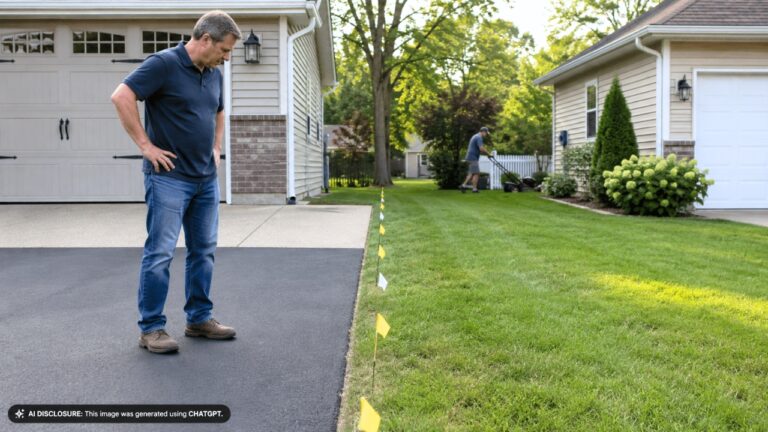
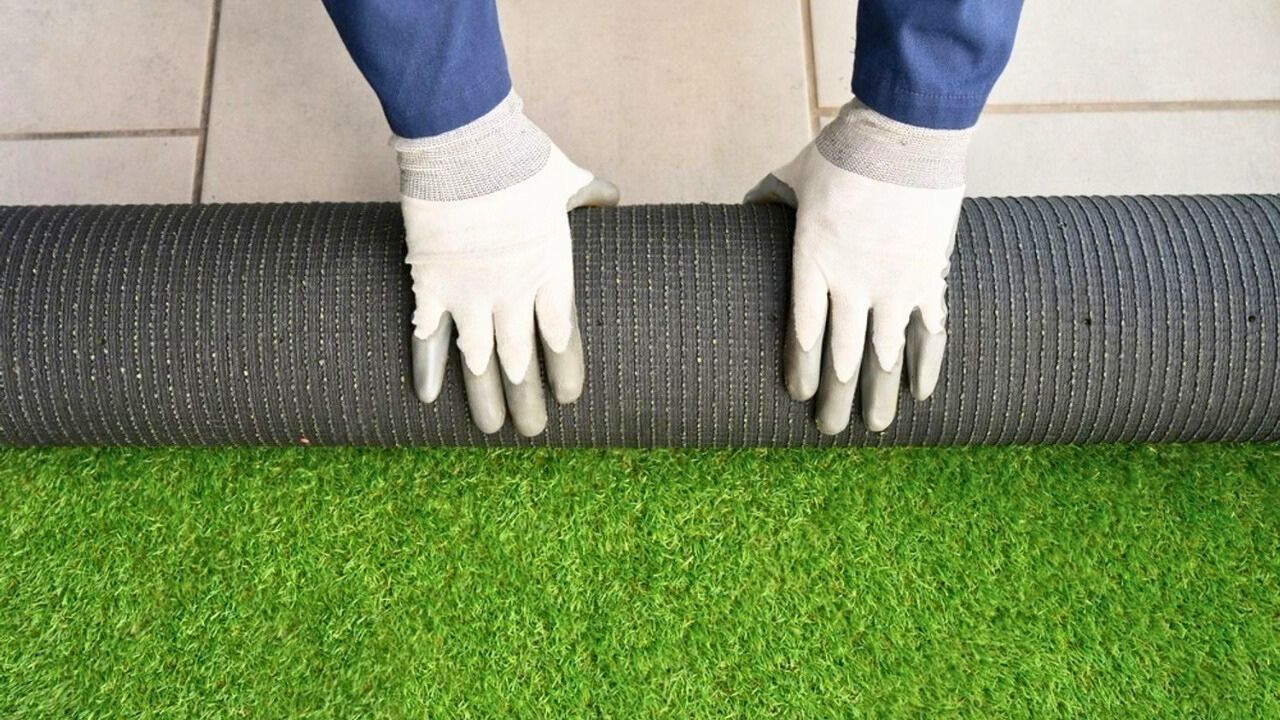
Artificial turf might look perfect in photos, but in daily life it can feel hot, plasticky, and surprisingly unforgiving. You often pay a premium for installation, yet some professionals group synthetic lawns with other High Cost & because you trade a living system for something that still needs cleaning but never improves your soil. When you have families or pets running around, the surface can trap odors and heat, and it offers none of the cooling or habitat benefits of real turf or ground cover.
You also lock yourself into a single look that cannot evolve as your needs change. Instead of plastic blades that fade under UV exposure, you can follow advice to Upgrade your lawn with fresh grass, overseeding, and better soil care, or you can reduce the size of your lawn and replace it with climate appropriate plantings. That way you gain a cooler, softer surface for kids and pets while still keeping maintenance under control.
2. Fake Grass and Impermeable Surfaces Everywhere
Extending the plastic look beyond a small patch starts to create a backyard that sheds water instead of absorbing it. Designers who want to see the back of certain trends point out that Fake grass and other impermeable finishes can worsen drainage, increase runoff, and reduce biodiversity. That sleek patio or composite deck might photograph as a clean slate, yet in a storm it can send water toward your foundation or your neighbor’s fence, and in summer it can radiate heat that makes the space uncomfortable.
If you want a low maintenance yard that still looks sharp, you are better off mixing permeable hardscape with living ground cover. You can Transform your backyard by using organic mulch, gravel paths, and native plant beds that soak up rain instead of repelling it. That approach gives you visual structure for photos while keeping your microclimate cooler and more resilient during heavy weather.
3. Monoculture Lawns That Look Perfect and Act Fragile
A single species of grass, trimmed to golf course height, can look impressive from a distance but behaves like a high maintenance pet. Interior designer Alice Moszczynski, who works with Planner 5D, has explained that Monoculture lawns are already on the decline because they need constant watering, fertilizer, and pest control, and they can create imbalances in your local ecosystem. You may love the first drone shot after you finish the sod, but the bare patches, weeds, and brown spots that appear later are what you actually live with.
Instead of chasing a single shade of green, you can lean into a more diverse mix of grasses, clover, and low ground covers that tolerate foot traffic. Gardeners who track longer term trends expect demand for drought tolerant planting to increase as climate issues and water restrictions grow, which matches the prediction in The gardener predicts that resilient, water wise yards will only become more popular. You still get a green backdrop for your outdoor furniture, but you spend less time and money nursing a single fragile species back to life.
4. Permanent Benches, Raised Planters, and Other Fixed Features
Built in seating and masonry planters can look polished in a reveal shot, yet they can quickly feel like obstacles when you want to rearrange your space. Some contractors list Permanent Benches, Raised Planters, Fixed Fire Pits, and Permanent Pergolas Instead of Umbrellas or Awnings among the worst ideas because they lock you into a layout that does not adapt to different group sizes or changing needs. Once you pour concrete or build a stone wall, you commit to that footprint even if you later decide you would rather have a play area, a vegetable garden, or a small pool in the same spot.
If you want the same visual impact with less regret, you can mimic the look of built ins using modular furniture and freestanding planters. Outdoor specialists who design patios and decks for a living, such as Micah from the video 25 Backyard Features, often highlight flexible layouts that can grow with your family over 25 years instead of a single season. When you prioritize pieces that can move or be stored, you keep your options open and avoid turning your yard into a rigid stage set.
5. Overdesigned Water Features That Drain Your Budget
Streaming creeks, koi ponds, and elaborate fountains are irresistible in photos, but they demand constant attention in real life. Some professionals group decorative streams and ponds with other Worst Backyard Landscaping because they can leak, attract mosquitoes, and require pumps, filters, and winterizing that you may not have time for. In regions with freezing temperatures or water restrictions, that glossy water feature can become an empty basin or a maintenance headache for much of the year.
You still have options if you love the idea of moving water. Designers who work with tricky plots often recommend Water features, sculptures, planters, and small seating nooks as flexible fillers for odd corners, but they tend to favor simpler, low volume elements over full scale streams. A modest bubbling urn or a birdbath gives you movement and sound without tying you to extensive equipment or high utility bills.
6. Red Mulch, Jungle Beds, and Visual Overload
Brightly colored mulch can pop on camera, yet in person it can fight with your plants and your home’s architecture. Some designers now call out Red Mulch Instead a Natural Shade because the intense color can distract from foliage and flowers, and the dye can fade to an uneven tone over time. When you add too many competing hues in your hardscape and ground cover, you create a yard that feels busy and smaller than it really is.
Planting choices can create the same overload if you let them run wild. Experts who evaluate home value warn that Vegetation Overgrowth turns a yard into an overgrown jungle of mismatched plants, where there is a difference between lush and a space where everything competes for attention. You can still aim for a full, green look, but you will get better results if you edit your palette and use natural toned mulch that recedes into the background instead of shouting over your planting.
7. All-Season Saunas, Oversized Pools, and Single-Purpose Luxuries
High end amenities like saunas, plunge pools, and sprawling hot tubs look luxurious in a single frame, yet they often see limited use. Reporting on buyer behavior has found that Landscaping projects that flexible and have only one use, such as saunas or pools, can become less attractive when you factor in seasonal closures and ongoing maintenance. You may find yourself paying for chemicals, heating, and repairs for something you enjoy only a few months of the year.
If you still want a resort feel, you can borrow ideas from higher end yards without copying their most rigid features. One approach is Upgrading to details like Frameless or semi frameless glass around the pool, Slatted aluminium fencing, and Matching gates that make a modest space feel like a five star Airbnb. Smaller plunge pools, stock tank conversions, or portable saunas give you many of the same benefits while keeping your long term costs and commitments under control.
8. Pergolas, Hanging Plants, and Patio Decor That Clutters Instead of Comforts
Decorative structures and accessories can quickly move from stylish to suffocating when you add too many. Some experts now caution that Hanging Plants in excess can create an unintentional jungle like effect, where you duck under pots and cords instead of relaxing. On patios, one designer described never understanding why people crowd small spaces with furniture and accessories that leave no room to move, a mistake echoed in critiques of SHARE YOUR THOUGHTS style over substance.
Pergolas can create the same problem when you use them where a simple umbrella would do. Designers who analyze bad layouts often group Permanent Pergolas Instead of Umbrellas with other rigid features in their Artificial and structural missteps, because you lose the option to open up the sky or move shade as the sun shifts. You get a more livable patio when you define zones with lighting and a few strong pieces, for example by following advice to String up outdoor lighting and keep seating arrangements simple enough to navigate comfortably.
9. Trend-Driven Fencing, Screens, and Overcomplicated Boundaries
Fencing and privacy screens frame nearly every photo of a backyard, so you might be tempted to chase the most eye catching option you see online. High end projects often feature Slatted wood fences, Vertical garden walls, Laser cut metal screens, Pergolas with retractable canopies, and Frosted or textured glass that all look sharp on camera. If you copy that mix in a small suburban yard, you risk creating a busy perimeter that is expensive to maintain and difficult to repair when a single component fails.
Sometimes the most effective boundary is simpler and more climate appropriate. When you look for drought friendly curb appeal, you see homeowners like Amy Garvin Reifke thanking neighbors for advice about Ground cover and lower shrubs, while commenters such as Jan Lanier share practical planting ideas instead of ornate fence designs. You get privacy, softness, and seasonal interest from hedges, shrubs, and vines, and you avoid locking yourself into a boundary system that might look dated long before you are ready to replace it.
Like Fix It Homestead’s content? Be sure to follow us.
Here’s more from us:
- I made Joanna Gaines’s Friendsgiving casserole and here is what I would keep
- Pump Shotguns That Jam the Moment You Actually Need Them
- The First 5 Things Guests Notice About Your Living Room at Christmas
- What Caliber Works Best for Groundhogs, Armadillos, and Other Digging Pests?
- Rifles worth keeping by the back door on any rural property
*This article was developed with AI-powered tools and has been carefully reviewed by our editors.