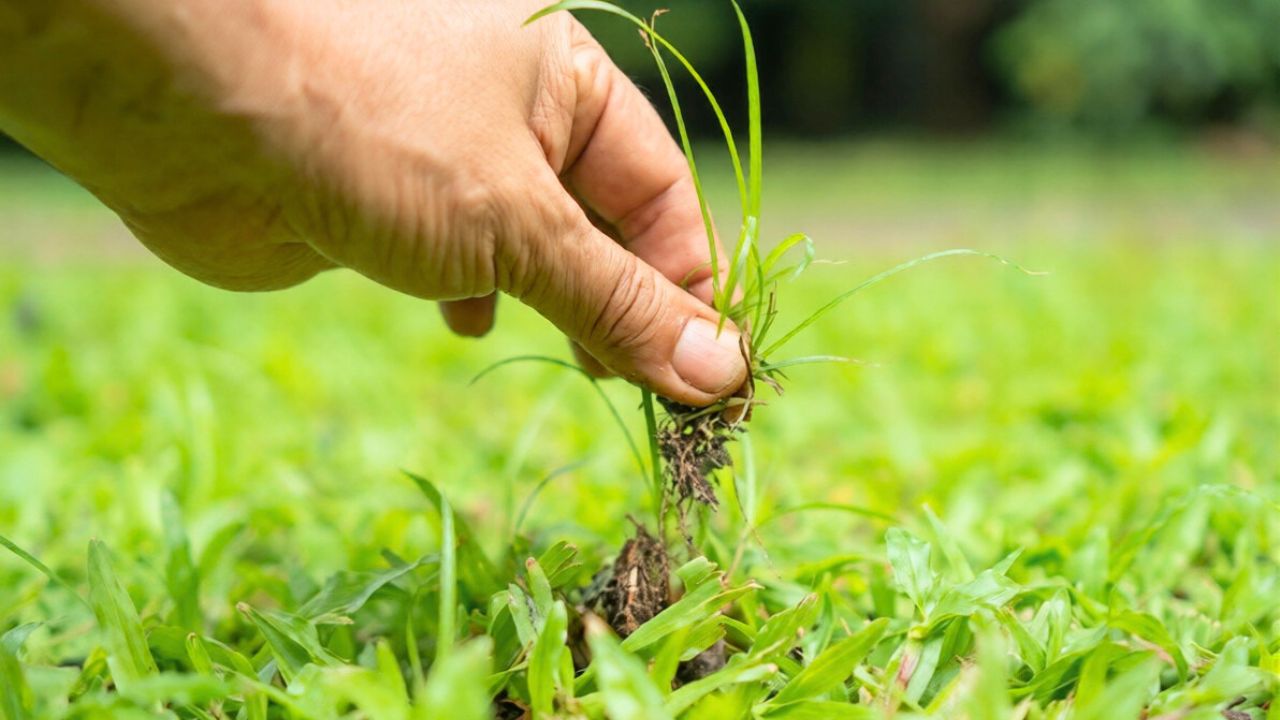
10 Signs Your Yard Is About to Turn Into a Weed Problem
Photo credit: Toa55/Shutterstock.com
Your yard rarely goes from tidy to overrun overnight. Warning signs build quietly in the grass, soil, and even in the way water sits after a storm, long before you feel surrounded by crabgrass and dandelions. When you learn to read those early clues, you can step in before a few stray plants turn into a full weed invasion that chokes out your lawn and garden beds.
This guide walks through ten specific signals that your yard is on the verge of a weed problem, and what each one says about the health of your grass and soil. By spotting these patterns early and reacting quickly, you give your turf a real chance to recover instead of constantly fighting from behind.
1. You See More Weeds Than Grass in Key Areas
One of the clearest early signs is a simple headcount. If you scan across your lawn and notice that weeds are starting to outnumber blades of grass in certain patches, you are no longer dealing with a minor nuisance. You are watching a shift in who is winning the competition for light, water, and nutrients. Professionals describe this tipping point as the moment when you need to stop thinking about casual hand pulling and start planning a real weed control strategy, because the plants you do not want are already established enough to reseed and spread in every direction.
Specialists who focus on weed control advise you to literally walk your yard and visually compare the density of turf to the density of intruders. When you see clusters where broadleaf or grassy weeds dominate, especially in the front or center of the yard rather than just along fences, that is a sign your lawn is losing vigor and needs help. Guidance on when to act stresses that once weeds have gone to seed, those seeds can remain viable in the soil for several years, which means every season you wait compounds the problem. That is why services that help you decide when to call urge you to pay attention as soon as you notice the balance shifting.
2. Weeds Are Outnumbering Your Grass Across the Yard
There is a difference between a few problem zones and a lawn where weeds dominate the overall picture. If you look out from the porch and see that dandelions, plantain, or clover are scattered through almost every square meter, your turf is no longer just stressed, it is being replaced. Experts describe this as the stage where weeds are outnumbering your grass, which signals that your yard has become a more favorable environment for opportunistic plants than for the turf you are trying to grow. At that point, you are not just fighting individual species, you are fighting the underlying conditions that let them thrive.
Advice from lawn care specialists explains that a few scattered weeds are normal, but a yard where they are consistently more visible than the turf indicates that your grass is thin, underfed, or shaded, and that you need to rethink your maintenance routine. Resources that list signs your lawn point out that fast-spreading species like chickweed can take advantage of that weakness very quickly. When you reach this stage, you should be looking at overseeding, correcting mowing height, and possibly professional treatments rather than hoping a weekend of hand pulling will reverse the trend.
3. Bare Spots and Thin Areas Keep Filling with New Growth
Another early warning shows up in the empty spaces. If you notice Bare Spots or Thin Areas in the Lawn that never seem to stay empty for long, you are watching weeds do exactly what they are built to do. These plants are opportunistic, ready to jump into any gap where turf is weak or missing. When you see the same bare patch sprout broadleaf intruders after every rain, it is a sign that your soil is exposed and your grass is not dense enough to defend its territory.
Guides that explain the Reasons Why Weeds Grow in Your Lawn describe how Weeds are opportunistic plants that quickly colonize open soil rather than being overshadowed by healthy grass. They stress that when Thin Areas persist, you are giving those invaders a permanent foothold. Detailed advice on bare spots and recommends that you repair those areas quickly with seed or sod, adjust watering so new grass can establish, and avoid heavy traffic that compacts the soil and makes it even harder for turf to reclaim the space.
4. Your Grass Looks Discolored or Patchy
Weeds rarely invade a truly vigorous lawn. They tend to follow stress, and one of the easiest stress signals to spot is color. When your grass starts to show Discolored patches in yellow or brown shades, especially if those areas feel thin or brittle underfoot, it often means the turf is struggling with pests, disease, or poor nutrition. That weakened state creates openings where weed seeds can sprout and outcompete the grass that is already on the back foot.
Lawn expert Dan Deins notes that grubs, pests, and weeds can all contribute to an unhealthy yard, and that recognizing early signs of trouble can keep your lawn from ruining your backyard. Guidance on signs of an explains that when you see widespread discoloration, you should investigate root health and soil conditions instead of just spraying whatever weed killer is on sale. If you focus only on the visible weeds and ignore the underlying stress that turned your turf patchy in the first place, you will see new invaders move in as fast as you remove the old ones.
5. Soil Problems Are Inviting the Wrong Plants
Sometimes the weeds are not the main problem, they are a symptom. Certain species show up as indicators of deeper turf issues such as compaction, poor drainage, or imbalanced pH. When you see persistent colonies of plantain, knotweed, or similar plants in the same spots every year, it often means your soil is hard, waterlogged, or short on key nutrients. Professionals encourage you to treat these weeds as clues that your soil needs attention rather than just annoyances to be sprayed away.
Industry guidance explains that you should look Beyond the obvious foliage and pay attention to the conditions that allowed those plants to take hold. Articles that discuss weeds as indicators describe how compacted soils and thinning turf often go together, and how certain species with leaves 5 to 20 cm long can signal specific problems. If you respond by aerating, improving drainage, and correcting pH instead of only reaching for herbicides, you make your yard less welcoming to those indicator weeds in the future.
6. Your Weeds Are Sending Messages About Soil Health
Beyond broad categories like compaction or poor fertility, individual weeds can tell you more detailed stories about what is happening under the surface. Some of the plants growing in your yard can reveal whether your soil is acidic or alkaline, whether it is low in organic matter, or whether it stays too wet for too long. If you keep seeing the same species every season, you are getting a repeated message about the environment your grass is trying to live in.
Resources that explain what your weeds are trying to tell you highlight examples such as Dandelion, which can point to issues with Soil In need of improvement. These guides often link to university extension research that breaks down which species thrive in compacted clay, which favor sandy, nutrient poor ground, and which appear when you have let thatch build up at the surface. When you pay attention to those signals and adjust your soil management, you reduce the need for constant chemical control and give your turf a better chance to crowd out those same weeds in future seasons.
7. New Weeds Keep Returning After You Pull Them
If you spend a weekend on your knees pulling weeds and then see the same spots filled again within a couple of weeks, you are not just unlucky. You are probably dealing with roots or rhizomes that were left behind, or with seeds that were already waiting in the soil. When removal is incomplete, many species respond by regrowing more aggressively, which can make you feel as if the more you pull, the more you get. That pattern is an early sign that your current method is not working and that you need to change tactics before the infestation spreads further.
Gardening advice that lists Five Signs You are Pulling Weeds Incorrectly in Your Garden explains that if the clearest sign of your effort is a quick resurgence, you are likely snapping off tops instead of removing full root systems. These guides describe how Weeds grow back when you disturb them without fully extracting the crown, and they encourage you to adjust your tools and timing so you can remove entire plants before they set seed. When you see that constant cycle of regrowth, it is a warning that your yard is on the verge of a chronic weed problem unless you adopt more effective removal practices.
8. Water, Sun, and Competition Are Out of Balance
Weeds thrive when your lawn is stressed by poor watering habits, inconsistent sun exposure, or heavy competition for resources. If you notice that certain areas stay soggy for days after rain while others dry out and crack, you are creating micro zones where different weed species can flourish. Similarly, when mature trees suddenly cast more shade after a big growth spurt or pruning change, the grass underneath may thin out, leaving space for shade tolerant weeds that you did not see before.
Guides that help you spot early signs of a weed infestation recommend that you Look out for wilted leaves on your desirable plants, because weeds absorb water and nutrients first when they are competing in the same soil. They explain that when weeds steal nutrients and sunlight, your grass and ornamentals show stress even if you think you are watering and fertilizing enough. When you see that pattern of healthy weeds and struggling turf side by side, you are looking at a resource imbalance that needs to be corrected with better irrigation design, mulching, and targeted feeding rather than just more herbicide.
9. You Are Reacting Late Instead of Detecting Early
One of the most subtle warning signs is not in the lawn itself, but in your own habits. If you only think about weed control once the yard looks obviously messy, you are already behind. Early detection allows for timely intervention before problems spread, whether that means adjusting watering, identifying pests, or applying pre emergent products at the right moment. When you fall into a pattern of reacting only to visible chaos, you miss the quieter stages when simple changes could have kept things under control.
Professional lawn care guidance emphasizes that Early detection prevents minor issues from becoming expensive problems, because it lets you address causes instead of just symptoms. That same mindset applies to weeds. If you walk your yard regularly, learn to recognize Leaf Shape and Texture differences between turf and intruders, and use basic identification tips that explain how to spot grassy weeds with features like zippers branching off the stem, you can act before those plants set seed. Resources that review how to identify weeds in lawn conditions encourage you to Let those visual cues guide your timing so you can treat small patches instead of facing a yard wide takeover.
Like Fix It Homestead’s content? Be sure to follow us.
Here’s more from us:
- I made Joanna Gaines’s Friendsgiving casserole and here is what I would keep
- Pump Shotguns That Jam the Moment You Actually Need Them
- The First 5 Things Guests Notice About Your Living Room at Christmas
- What Caliber Works Best for Groundhogs, Armadillos, and Other Digging Pests?
- Rifles worth keeping by the back door on any rural property
*This article was developed with AI-powered tools and has been carefully reviewed by our editors.