10 Things That Make Your House Feel Stuffy in Spring
Photo credit: Decoplus/Shutterstock.com
Spring should feel light and energizing, yet your home can easily turn heavy and airless just as the weather starts to warm. Temperature swings, trapped moisture, and a surge of allergens all work together to make rooms feel close and uncomfortable. Once you understand the specific habits and hidden trouble spots that create that stuffiness, you can target them directly instead of guessing.
The ten issues below explain why the air in your house can feel stale in spring and how you can clear it out with practical, evidence-backed steps. You will see how particles such as dust, pollen, dander, and even invisible humidity interact with your ventilation and surfaces so you can adjust cleaning, filtration, and airflow with confidence.
1. Spring temperature swings that trap stale air
As outdoor temperatures jump between chilly mornings and warm afternoons, your home’s airflow patterns shift in ways you can feel. When the weather changes quickly, your heating and cooling equipment may cycle on and off more often, which can leave rooms feeling heavy and under-ventilated between runs. Reporting on indoor comfort during seasonal changes explains that rapid swings can leave indoor air feeling stagnant, especially when your system is already working against a clogged or dirty air filter that restricts circulation and keeps stale air in place inside each room.
Combine those swings with closed windows and doors, and the air that was warmed or cooled earlier in the day simply sits, picking up more odors and humidity as you cook, shower, and move around. Guidance on why homes feel close during temperature shifts notes that this mix of trapped moisture, limited circulation, and a clogged or dirty can make the air feel warmer and more oppressive than the thermostat reading suggests. You can often relieve that heaviness by replacing filters on schedule and using your system’s fan setting for short periods to mix the air more evenly.
2. Dust buildup in carpets, furniture, and air ducts
Over the winter you tend to keep windows shut and spend more time indoors, which lets dust, pet dander, and airborne particles build up on carpets, upholstery, and hard surfaces. When spring sunlight hits those surfaces, you can often see that fine layer of debris that has settled into fibers and crevices. Advice on indoor air refresh strategies explains that this accumulation does not just sit harmlessly; it gets stirred back into the air every time you walk on a rug, sit on a sofa, or turn on a ceiling fan, which can make your home feel hazy and stuffy even when it looks tidy at first glance.
The same problem often hides inside your ductwork, where winter dust and other particles can collect along the metal and insulation. Guidance from indoor air specialists notes that scheduling targeted air duct cleaning as part of a Spring Indoor Air Refresh can remove settled allergens, bacteria, and odors that would otherwise blow back into living spaces. When you pair that with regular vacuuming using a HEPA filter and damp dusting on hard surfaces, you cut down the reservoir of particles that make each room feel thick and stale.
3. Pollen surges that sneak in with “fresh air”
When the first warm days arrive, you naturally want to open your windows and let in a breeze. The problem is that those same days often coincide with sharp surges in tree and grass pollen that ride in on that fresh air and settle on every surface. Allergy-focused guidance explains that springtime spikes in pollen can leave you with irritated sinuses, itchy eyes, and a sense that the air in your home is gritty and oppressive, especially if you are sensitive and the particles collect on bedding, curtains, and rugs.
Experts in seasonal breathing aids point out that many people underestimate how quickly pollen can accumulate indoors once windows are open for even a few hours. Advice on how to breathe easy this stresses that you should time window opening for lower pollen periods, such as after rain, and rely more on filtered mechanical ventilation when counts are high. You can also rinse off and change clothes after spending time outdoors so you do not carry extra pollen into upholstered furniture and bedding, where it can keep the air feeling stuffy long after you close the windows.
4. Confusing window habits and weak ventilation
Spring weather tempts you to throw windows wide open all day, then snap them shut the moment the temperature dips, which can leave your ventilation pattern inconsistent. HVAC guidance on seasonal comfort explains that if you keep windows closed too tightly while your system is off, indoor pollutants and humidity build up, but if you leave them open at the wrong times you invite in excess pollen and outdoor particulates. That back-and-forth can leave rooms feeling alternately drafty and then suddenly stagnant as the air stops moving.
Specialists in home comfort suggest that you think strategically about when to rely on natural ventilation and when to let your mechanical system handle the air exchange. Advice on whether to keep windows open or recommends using outdoor conditions as your guide, with windows open during mild, low-pollen periods and closed when outdoor air is heavy, smoky, or full of allergens. You can supplement that approach with bathroom and kitchen exhaust fans and, if needed, a balanced ventilation system so you maintain steady air turnover instead of letting your home swing between stale and overexposed.
5. Dirty HVAC filters, vents, and ductwork
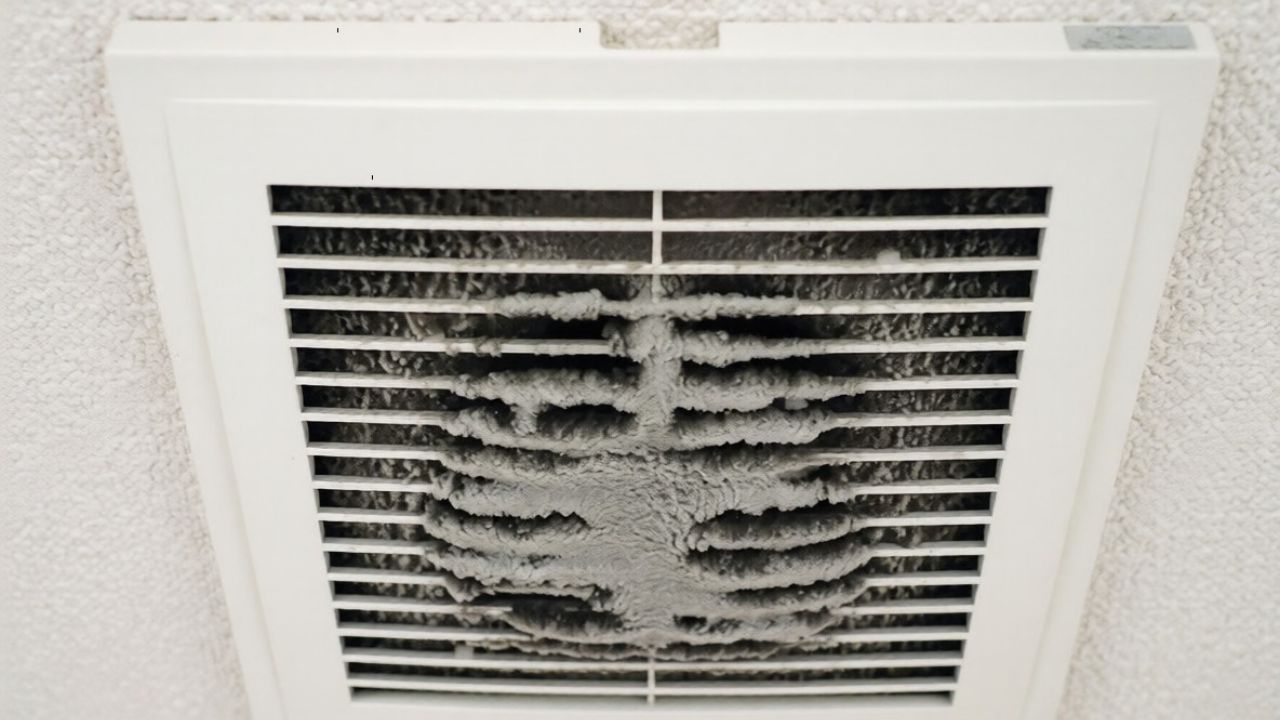
Your heating and cooling system is designed to pull air through filters, move it through ductwork, and deliver it back into rooms, but that process only works well when the pathways are clear. When filters are clogged with winter dust and vents are blocked by furniture or drapes, the system struggles to move enough air, which can leave some rooms feeling stuffy while others are over-conditioned. Guidance on Ways Spring Weather Affects Your Indoor Air Quality notes that Dirty Air Filters, Vents, and Ductwork can reduce airflow, limit filtration, and let pollutants and moisture linger in the air you breathe.
Over time, particles can also accumulate inside the ducts themselves, mixing with humidity to create a film that traps more debris. Cleaning specialists explain that spring cleaning air can remove dust and other buildup so your system delivers cleaner, less musty air. When you pair duct cleaning with replacing filters on the schedule recommended by your equipment manufacturer and checking that supply and return vents are fully open, you help your system circulate air more evenly and reduce the stagnant pockets that make parts of your home feel close.
6. Hidden humidity and thriving house dust mites
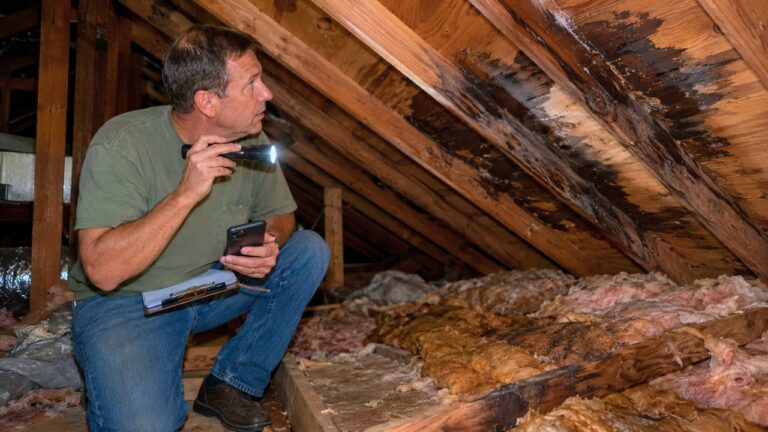
Spring often brings more rain and higher humidity, and that extra moisture can easily collect inside your home. Bathrooms, basements, and kitchens are especially vulnerable, and when humidity lingers you start to notice a clammy feeling, foggy windows, and a faint musty odor. Indoor air guidance explains that higher moisture levels create ideal conditions for house dust mites, which thrive in warm, humid environments and contribute to allergy symptoms that make the air feel oppressive.
Sleep and home environment experts point out that when humidity climbs, it affects both comfort and air quality, especially in bedrooms where you spend many hours each night. Advice on humidity and sleep notes that controlling moisture helps limit house dust mites and keeps bedding from feeling damp or stuffy. You can use exhaust fans, dehumidifiers, and simple steps such as hanging laundry outdoors when possible to keep indoor humidity in a moderate range so the air feels lighter and cleaner.
7. Pet dander and lingering odors on surfaces
Pets shed fur and tiny flakes of skin all year, but the contrast between closed winter homes and spring sunlight often makes the buildup more obvious. Those particles, known as dander, are light enough to float in the air, stick to textiles, and settle into cracks in flooring, where they keep circulating every time you move around. Surface care specialists explain on their blog that porous materials such as grout, natural stone, and some tiles can also trap odors and residues, which can contribute to a background smell that makes air feel less fresh even after you clean.
When you add in pet beds, blankets, and upholstered furniture that have absorbed months of indoor living, the combined effect can be a subtle but persistent heaviness in each room. Professionals who handle dander and odor removal recommend a mix of frequent vacuuming with a high-efficiency filter, washing pet textiles in hot water, and deep cleaning hard surfaces that hold onto smells. You can also create pet-free zones in bedrooms if you are sensitive, which reduces the amount of dander in the air where you sleep and helps the room feel cleaner and less stuffy overnight.
8. Cluttered rooms that block airflow and trap dust
Even if your HVAC system is working well, clutter can quietly sabotage airflow and make spaces feel cramped and stale. Stacks of boxes, overfilled bookcases, and furniture pushed tightly against walls can block vents and limit the natural movement of air around the room. When air cannot circulate freely, warm and cool pockets form, and dust tends to settle in undisturbed corners, which adds to that closed-in feeling.
Professional organizers and cleaning experts often stress that decluttering is not just about aesthetics; it directly affects how air moves through your home. When you clear pathways to vents, leave a few inches between furniture and walls, and reduce the number of fabric-covered items that collect dust, you make it easier for your system and any fans to distribute air evenly. Combined with a focused Spring Indoor Air Refresh that targets dust and other particles, as described by indoor air franchises, these changes can noticeably lighten the atmosphere in your most-used rooms.
9. Nighttime habits that load the air while you sleep
By the time you reach bedtime in spring, your home has already collected a full day of moisture, odors, and particles from cooking, showers, and outdoor activities. If you then close your bedroom door, shut the windows, and turn off any fans, you create a small, sealed environment where carbon dioxide, humidity, and allergens can build up through the night. Sleep and breathing specialists note that this combination can leave you waking up congested, groggy, and aware that the air in your room feels thick and used.
Seasonal breathing advice explains that small adjustments can make a significant difference in how your bedroom air feels. Guidance on how to breathe easy this highlights the value of maintaining nasal airflow, reducing pollen and dust in bedding, and using gentle ventilation rather than sealing everything tight. You can run your system’s fan on a low setting, crack a window when outdoor conditions are favorable, or use a quiet air purifier with a HEPA filter so the air in your room stays fresher and less stuffy by morning.
Like Fix It Homestead’s content? Be sure to follow us.
Here’s more from us:
- I made Joanna Gaines’s Friendsgiving casserole and here is what I would keep
- Pump Shotguns That Jam the Moment You Actually Need Them
- The First 5 Things Guests Notice About Your Living Room at Christmas
- What Caliber Works Best for Groundhogs, Armadillos, and Other Digging Pests?
- Rifles worth keeping by the back door on any rural property
*This article was developed with AI-powered tools and has been carefully reviewed by our editors.