Trump removes Kristi Noem as Homeland Security secretary amid mounting criticism
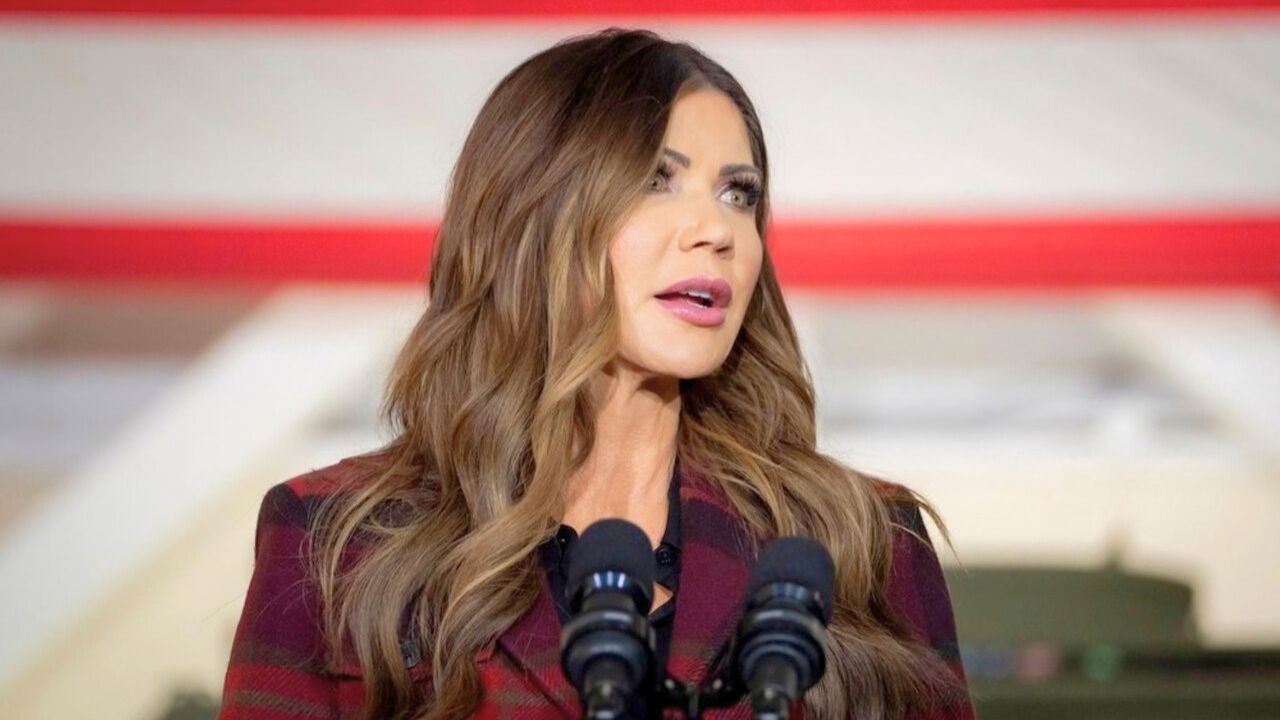
Photo credit: Robert V Schwemmer/Shutterstock.com
President Donald Trump has removed Homeland Security Secretary Kristi Noem after weeks of intensifying criticism over immigration enforcement, disaster spending and her political style. The abrupt dismissal, delivered as Trump faces pressure on border and security policy, instantly reshaped the leadership of one of the government’s most scrutinized departments.
Noem’s fall from favor closes a turbulent chapter at the Department of Homeland Security and raises new questions about how Trump intends to manage border crackdowns, FEMA oversight and internal dissent as the election season accelerates.
Trump’s decision and the official explanation
The White House move became public when Trump announced that he had fired his Homeland Security secretary, a decision that aides framed as a response to mounting criticism of immigration enforcement and management of the border. Reports on the decision described how President Donald Trump personally ordered Noem’s removal after allies complained that she had not moved aggressively enough to carry out his directives.
Allies have cast the firing as a course correction that will bring the department back in line with Trump’s campaign promises. For critics, the episode reinforces how quickly senior officials can be discarded if they are perceived as insufficiently loyal to Trump’s political and media strategy.
Noem’s turbulent tenure at Homeland Security
Noem arrived at the Department of Homeland Security as a high-profile conservative figure, with Trump touting her as a loyal partner on border security and immigration. Over time, however, her stewardship drew sharp scrutiny from Republicans in Congress who argued that migrant crossings remained too high and that enforcement operations were not delivering visible results.
According to live coverage of the shake-up, Homeland Security Secretary had been a central player in Trump’s approach to immigration and domestic security before the president publicly declared that he would replace her. The same reporting noted that Trump signaled he wanted a new direction at Homeland Security after internal critics questioned Noem’s handling of key initiatives.
Separate accounts described how Noem was grilled by Republican lawmakers who accused her of mismanaging enforcement operations and failing to keep pace with Trump’s shifting demands. One detailed summary noted that she faced at least 33 pointed questions about the department’s performance, including why certain border projects had stalled and why some sanctuary city confrontations had not advanced as the White House expected.
Beyond immigration, Noem had also moved to shake up oversight of FEMA, repeatedly saying that her department was “rooting out fraud, waste and abuse” within FEMA and arguing that she did not believe the agency could continue to operate without tighter controls. Those claims, described in coverage of how Noem targeted FEMA, triggered resistance from lawmakers who worried that disaster relief funds were being delayed or politicized.
The controversy deepened as reports emerged about Noem’s use of department funds and travel. Coverage of the firing highlighted a “storm over shootings, spending” that had engulfed her, with critics seizing on allegations that she had authorized questionable expenses and used vitriolic language in public remarks. One account of the decision to remove her noted that Trump’s team grew alarmed as those stories overshadowed the administration’s messaging on crime and border security.
In the days before her ouster, Noem insisted that she was carrying out Trump’s agenda and cleaning up what she portrayed as entrenched problems inside Homeland Security. She argued that rooting out alleged FEMA abuses and tightening asylum rules were necessary steps, even as bipartisan criticism mounted over implementation and communication.
Trump, who has long treated personnel decisions as extensions of his political instincts, appeared increasingly frustrated. Profiles of Donald Trump have often described his impatience with aides who attract negative headlines without delivering clear wins, and the criticism surrounding Noem’s record on immigration and FEMA oversight fit that pattern.
Markwayne Mullin steps in and the stakes for DHS
Almost as soon as Noem’s removal became public, Trump moved to fill the vacuum. He tapped Senator Markwayne Mullin to replace her as Homeland Security chief, signaling a preference for a staunch ally with a reputation for combative oversight hearings and close alignment with Trump’s border rhetoric. Reports on the appointment described how Trump viewed Markwayne Mullin as a reliable defender who could sell the administration’s policies on television while pushing the bureaucracy to move faster.
Detailed accounts of the reshuffle say Trump tapped the senator to replace Noem at DHS after concluding that the department needed a more aggressive public face. One report on how Trump taps Mullin described the decision as part of a broader effort to harden the administration’s stance on immigration, crime and domestic protests.
Another account of the removal framed it as a decisive move by Trump to reset Homeland Security leadership after weeks of damaging headlines. That reporting explained that Nik Popli and other observers saw the appointment of Mullin as a sign that Trump wanted a more confrontational approach to both Congress and internal critics.
Live coverage of the leadership change noted that Trump replaces Homeland chief Kristi Noem at a moment when the department faces intense scrutiny over migrant processing, deportation priorities and the handling of high-profile protests. The same coverage pointed out that Noem, who had led Trump-aligned initiatives on border security, will now watch from the outside as Mullin takes over those efforts.
The firing also reverberated through the disaster relief community, where FEMA staff and state officials had already been adjusting to Noem’s audits and rhetoric. Her repeated insistence that she was “rooting out fraud, waste and abuse” inside FEMA had unsettled some long-serving emergency managers, who worried that aggressive investigations could slow the release of aid after hurricanes, wildfires and floods.
Trump’s decision to remove Noem and install Mullin therefore carries implications far beyond immigration courts and border patrol sectors. Homeland Security oversees airport screening, cyber defense, maritime security and the federal response to natural disasters, and any leadership churn at the top can ripple through those missions for months.
For Trump’s supporters, installing a loyalist like Mullin promises a sharper, more unified message on those fronts. They argue that a Homeland Security chief who is fully aligned with Trump’s instincts will be better positioned to confront sanctuary jurisdictions, speed up deportations and tighten vetting of asylum seekers.
Critics counter that the pattern of abrupt firings risks hollowing out institutional expertise and deterring seasoned professionals from taking senior posts. They point to the way Noem’s tenure ended, with Trump announcing her removal as reports about shootings, spending and FEMA disputes swirled, as evidence that political optics often outweigh steady management.
Trump himself has shown little interest in softening that approach. Coverage of his public remarks captured how Trump went on to frame the firing as a necessary step to protect national security and fix what he described as bureaucratic failures at Homeland Security.
For Noem, the episode marks a dramatic reversal from the moment she was elevated as Trump’s choice to run DHS. Biographical profiles of Kristi Noem have long highlighted her rise within conservative politics, and her removal from one of the most visible cabinet posts underscores how quickly fortunes can shift inside Trump’s orbit.
As the department adjusts to yet another leadership change, the core test will be whether Markwayne Mullin can stabilize operations while still satisfying Trump’s demand for aggressive, highly visible action on immigration, FEMA oversight and domestic security. The answer will shape not only the administration’s political narrative but also how effectively Homeland Security carries out its sprawling mission in the months ahead.
Like Fix It Homestead’s content? Be sure to follow us.
Here’s more from us:
- I made Joanna Gaines’s Friendsgiving casserole and here is what I would keep
- Pump Shotguns That Jam the Moment You Actually Need Them
- The First 5 Things Guests Notice About Your Living Room at Christmas
- What Caliber Works Best for Groundhogs, Armadillos, and Other Digging Pests?
- Rifles worth keeping by the back door on any rural property
*This article was developed with AI-powered tools and has been carefully reviewed by our editors.