Immigrants claim federal agents told them, “We can get to you whenever we want” during surveillance scare
Photo credit: Peter Serocki/Shutterstock.com
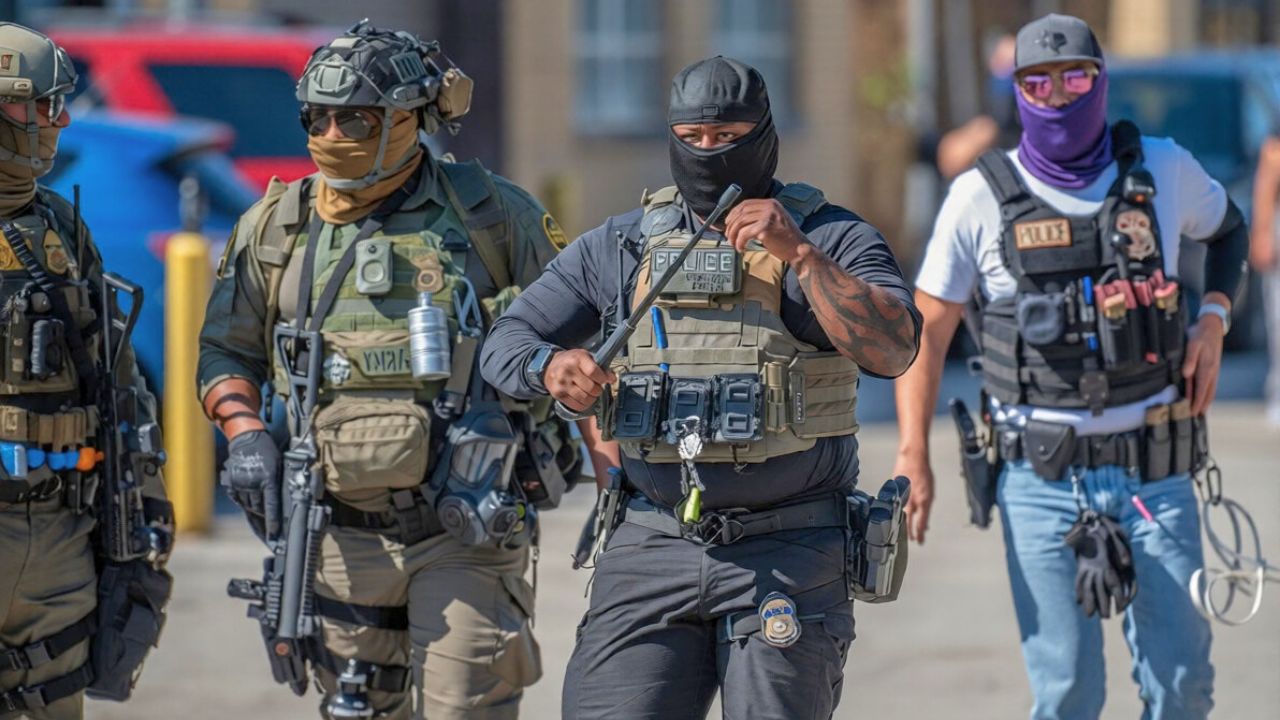
Immigrants and their supporters in Minnesota say federal agents are not just watching them, they are making sure people know it. One woman recalls officers telling her, “We can get to you whenever we want,” a message that residents describe as less about finding specific suspects and more about spreading fear.
The confrontation is unfolding alongside a broader expansion of digital tracking tools and street-level tactics that blur the line between targeted enforcement and community-wide intimidation.
From a passing SUV to a chilling message
In Minneapolis, EMILY says she first noticed an unmarked SUV idling near her home, then realized someone inside was photographing her and her car as the vehicle crept past again. She later learned that the same officers had pulled information about her movements from a phone app she used, a discovery that left her wondering how far the government’s reach could extend.
When EMILY later confronted what she believed were the same officers, she recalls that their message was blunt: they wanted her to understand that they saw her and could reach her at any time, a sentiment she described as a deliberate show of power rather than a routine interaction.
Operation Metro Surge and the new normal in Minneapolis
The encounter unfolded during Operation Metro Surge, an initiative in which U.S. Immigration and Customs Enforcement sent roughly 100 agents to Minnesota for intensified immigration enforcement. The deployment followed a period in which, since the shooting of Renee Macklin Good, the Trump administration had already escalated the federal immigration presence in Minneapolis and framed it as a mandate to deport “illegal aliens.”
Emily, photographed outside her home in Minneapolis on a Friday in Feb, says that during Operation Metro Surge she began documenting what she saw as unusual surveillance behavior by federal officers and that the pattern of being followed and photographed “did scare” her.
City officials have also raised alarms. The Minneapolis Police Department began tracking overtime tied to the increased public safety needs created by the surge, and local leaders later accused federal agencies of actions they called arbitrary and capricious in a legal filing that challenged the deployments.
A sprawling surveillance web
Behind those street encounters sits a fast-growing digital apparatus. Federal immigration authorities have quietly built what one review described as a massive surveillance web, pulling in data from license plate readers, commercial databases and phone apps to track people they believe are removable.
Internal records show the Department of Homeland Security has leaned heavily on administrative subpoenas sent to technology companies like Google or Meta, demanding personal information about users without the public scrutiny that accompanies court-ordered warrants.
Activists and journalists who tried to monitor these operations say they quickly felt the gaze turn back on them. Some describe agents photographing their faces and license plates, calling them by name at protests and appearing outside their homes in what they viewed as efforts to chill oversight of immigration enforcement.
Those accounts echo broader concerns about how far DHS is willing to go. Civil liberties lawyers point to a pattern in which people who document raids or accompany neighbors to immigration check-ins find themselves suddenly labeled as security risks and subjected to the same opaque monitoring tools used on people targeted for deportation.
“We see you”: intimidation as a tactic
For immigrants like EMILY, the most unsettling part is not just that the government can collect data, but that agents appear eager to advertise that power. In one exchange, she recalled officers telling her, in effect, that they saw her and could reach her whenever they chose, a statement that left her wondering whether any part of her daily life remained private.
Other residents in Minneapolis and surrounding communities report similar experiences. Some say unmarked vehicles followed them for blocks after they left legal clinics or community meetings. Others describe officers who seemed to know where their children went to school or which bus routes they used, details that could only have come from digital tracking or extensive surveillance.
Immigrant advocates argue that these patterns are not incidental. They contend that visible surveillance, repeated traffic stops and pointed comments about personal details are designed to send a message to entire neighborhoods: cooperation with enforcement is futile, resistance is risky and even lawful observers might be treated as threats.
Lawsuits describe violence and harassment
The American Civil Liberties Union and the ACLU of Minnesota have now taken those claims into court. In MINNEAPOLIS, the organizations filed an amended complaint that describes what they call harrowing accounts of violence and intimidation by Immigration and Customs Enforcement and Border Patrol against Minnesotans, including people who are U.S. citizens.
The filing details incidents in which officers allegedly pulled guns on residents, shoved people to the ground and used racial slurs during encounters that were supposed to be routine. It also describes officers targeting a news outlet called Status Coup News, whose journalists had been documenting immigration raids, as part of a broader pattern of retaliation against observers.
According to the complaint, the American Civil Liberties Union and the ACLU of Minnesota argue that these actions violate constitutional protections against unreasonable searches and seizures and infringe on free speech rights by punishing those who record or criticize federal operations.
In a separate statement, the American Civil Liberties Union, the ACLU of Minnesota and pro bono partners said their new filings show that federal officers used surveillance and force in ways that were not tied to any specific threat but instead appeared designed to frighten communities and deter public scrutiny.
Observers say they were tracked like suspects
The concerns are not limited to Minnesota. A new lawsuit alleges that DHS illegally tracked and intimidated observers in other states, including people who attended protests or monitored immigration arrests. Plaintiffs say they discovered that their names were stored in federal databases and that officers appeared to have pulled information from their social media accounts and cellphones.
One plaintiff recalled being told that by showing up to protests, “you are considered a domestic terrorist,” language that civil liberties groups say reflects an alarming shift in how the government labels political dissent. Legal filings argue that such monitoring goes far beyond what is necessary for officer safety and instead treats First Amendment activity as a basis for suspicion.
Attorneys involved in the case say the pattern is clear: people who film federal agents or accompany neighbors to check-ins find themselves facing unexpected visits, unexplained stops and questions that suggest officers have combed through their digital lives.
Communities on edge and officials push back
The psychological toll of this climate is evident on Minneapolis streets. Minnesotans describe changing daily routines, avoiding parks or grocery stores where they have seen unmarked vehicles and keeping children home from school when they hear that raids might be underway.
State officials have begun to push back. One multistate filing led by an attorney general challenged what it called militarized and illegal deployments of federal immigration officers in Minnesota, Vermont, Washington and Wisconsin, arguing that the conduct is impeding everyday life for residents. The document highlighted that pregnant women are afraid to seek medical care and that people with legal status are avoiding contact with authorities out of fear they will be swept into enforcement operations.
Local leaders in Minneapolis, Saint Paul and the State of Minnesota have also joined litigation aimed at halting certain federal actions, arguing that the deployments and surveillance tactics have diverted local resources and undermined trust in law enforcement.
The legal and political stakes
At the center of these disputes is a basic question about the balance between immigration enforcement and civil liberties. Federal agencies insist that digital tools and visible operations are necessary to locate people who have final deportation orders and to protect officers from threats.
Like Fix It Homestead’s content? Be sure to follow us.
Here’s more from us:
- I made Joanna Gaines’s Friendsgiving casserole and here is what I would keep
- Pump Shotguns That Jam the Moment You Actually Need Them
- The First 5 Things Guests Notice About Your Living Room at Christmas
- What Caliber Works Best for Groundhogs, Armadillos, and Other Digging Pests?
- Rifles worth keeping by the back door on any rural property
*This article was developed with AI-powered tools and has been carefully reviewed by our editors.