Thousands expected at nationwide “No Kings” protests planned for March 28
Photo credit: Heidi Besen/Shutterstock.com
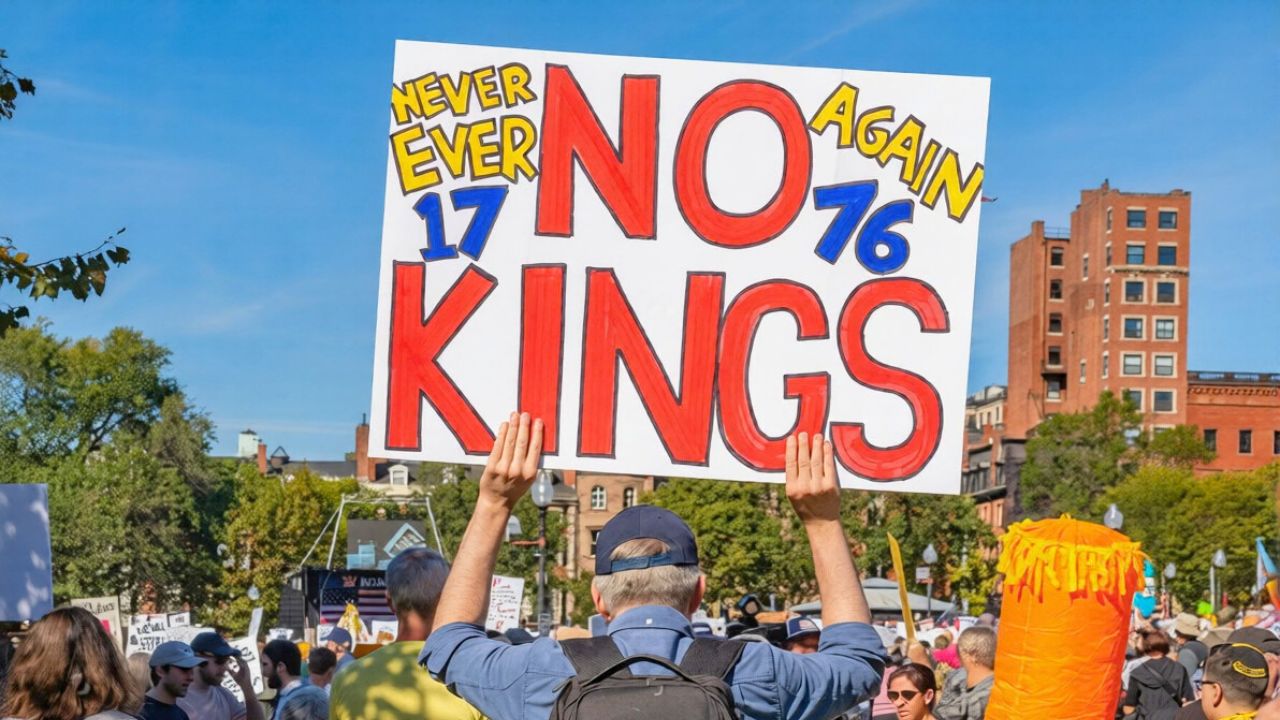
Organizers are preparing for a sweeping day of protest on March 28, when thousands of people are expected to gather in cities and small towns under the banner of No Kings. Branded by activists as No Kings Day, the coordinated mobilization aims to put immigration enforcement, presidential power and constitutional rights back at the center of street-level debate.
The March actions, referred to internally as The March, mark the third nationwide wave for the No Kings movement and are on track to become its largest and most geographically diffuse show of force so far.
How No Kings Day became a nationwide event
The No Kings network has spent years building out a decentralized infrastructure that now ranges from national coalitions to neighborhood pods. Its official hub, accessible through the No Kings website, frames the project as a defense of communities from abuses by Immigration and Customs Enforcement and other federal agencies, as well as a rejection of what organizers describe as monarchical behavior by presidents.
According to the entry on the March 2026 No, The March is designed as a coordinated set of peaceful demonstrations that will take place across the United States and in selected locations abroad, building on two previous national days of action.
From its earliest iterations, the campaign has leaned heavily on local autonomy, with national partners offering messaging guidance while leaving tactics and programming to community groups, faith congregations, campus chapters and immigrant rights organizations.
Scale, numbers and where protests are planned
On social media, organizers have been tracking the rapid growth of signups. One widely shared post in Feb promoting No Kings Day stated that activists had already lined up nearly 600 peaceful protests across all 50 states, with more still being added as local hosts cleared permits and confirmed speakers.
By early Mar, Indivisible, one of the main national partners, told supporters that There are currently 2,200 No Kings planned in all 50 states, DC and a dozen countries, underscoring how far the effort has expanded beyond its early coastal base.
Another organizer update, shared through a partner page that cited Reuters, described More than 2,600 No Kings protest events scheduled to take place on Saturday in all 50 U.S. states, a figure that includes both large city marches and small gatherings in rural counties.
Guides on how to find local marches emphasize that On Saturday, March 28, the third round of No Kings will take place in cities and towns across the United States, with interactive maps helping participants locate the nearest rally or register a new one.
Regional coverage illustrates how that national map looks on the ground. In Wisconsin, local outlets have published explainers on what the No movement is and where marches are scheduled, while in ASHEVILLE, N.C., television reports list several No Kings events planned across western North Carolina.
Morristown has been added as a venue for the nationwide No Kings protest on March 28, joining a long list of small and mid-sized municipalities that have now hosted three consecutive rounds.
Who is behind The March and what they want
The coalition behind The March is anchored by the No Kings network and Indivisible, along with immigrant rights groups and civil liberties organizations. In one widely cited announcement, Ezra Levin, co-founder of Indivisible, helped unveil plans for a third No Kings protest on March 28, telling supporters that the effort is part of a broader vision of what America’s all about and that people are not putting up with abuses of power, according to a Jan report.
Organizers describe the protests as nonviolent by design. One planning update in Feb stated that Organizers say that all No Kings events are committed to nonviolent action as they protest Trump administration policies, a message repeated in state-level outreach.
In promotional material shared by civil liberties allies, one post framed the stakes starkly, declaring that When ICE agents tear apart our communities, we take to the streets. And when the Trump administration tries to expand its reach, people respond, an argument that circulated widely after being shared on Mar social channels.
For many local hosts, the focus is explicitly on immigration enforcement. Coverage of the Twin Cities event, for example, has highlighted speakers who plan to address fatal shootings by Border Patrol and allegations of misconduct by Customs and Border Protection officers, as summarized in reporting linked through the AP account of earlier No Kings actions.
How March 28 fits into the movement’s history
The upcoming mobilization is the third national protest under the No Kings banner. Earlier rounds drew millions of participants nationwide, with Indivisible estimating 3 million protesters at one point across the country, a figure that turned the movement into a fixture of weekend political life in many cities.
In New York City, organizers of the No Kings protests in the five boroughs have previously said that Millions of Americans are expected to join nationwide protests Saturday, including multiple rallies in New York City, underscoring how the brand has become shorthand for a particular style of mass mobilization.
Florida has hosted several large marches as well. A statewide preview noted that the No Kings Coalition announced a new nationwide protest for March 28 and that Minn and other states that saw heavy participation in 2025 protests were again expected to be major hubs, according to a Jan overview.
In western North Carolina, local television coverage has described a third round of No Kings protests coming next month, with several events already planned across the region and Millions of people across the nation expected to participate on Saturday, March 28, reflecting the scale of anticipation in smaller media markets.
How to join and what participants can expect
Prospective marchers are being directed to online tools that help them locate nearby events or start new ones. A detailed guide from a public radio partner outlines how to search for local rallies, register attendance and volunteer for logistics such as marshaling or legal observing, information that is summarized in a planning explainer.
National partners are encouraging participants to treat The March as a family friendly day of civic engagement, with some events in places like Morristown and Wisconsin planning music, art builds and know your rights trainings alongside speeches about immigration, presidential power and constitutional protections.
Social media posts promoting No Kings Day urge supporters to make their voice heard, often pairing logistics with a reminder that March 28 is expected to be the largest coordinated protest yet against Trump administration immigration policies and what activists describe as a broader slide toward authoritarianism.
With thousands of events registered, from major metropolitan centers to small towns, No Kings Day on March 28 is shaping up as a national test of whether that early energy can still pull millions of people back into the streets for The March.
Like Fix It Homestead’s content? Be sure to follow us.
Here’s more from us:
- I made Joanna Gaines’s Friendsgiving casserole and here is what I would keep
- Pump Shotguns That Jam the Moment You Actually Need Them
- The First 5 Things Guests Notice About Your Living Room at Christmas
- What Caliber Works Best for Groundhogs, Armadillos, and Other Digging Pests?
- Rifles worth keeping by the back door on any rural property
*This article was developed with AI-powered tools and has been carefully reviewed by our editors.