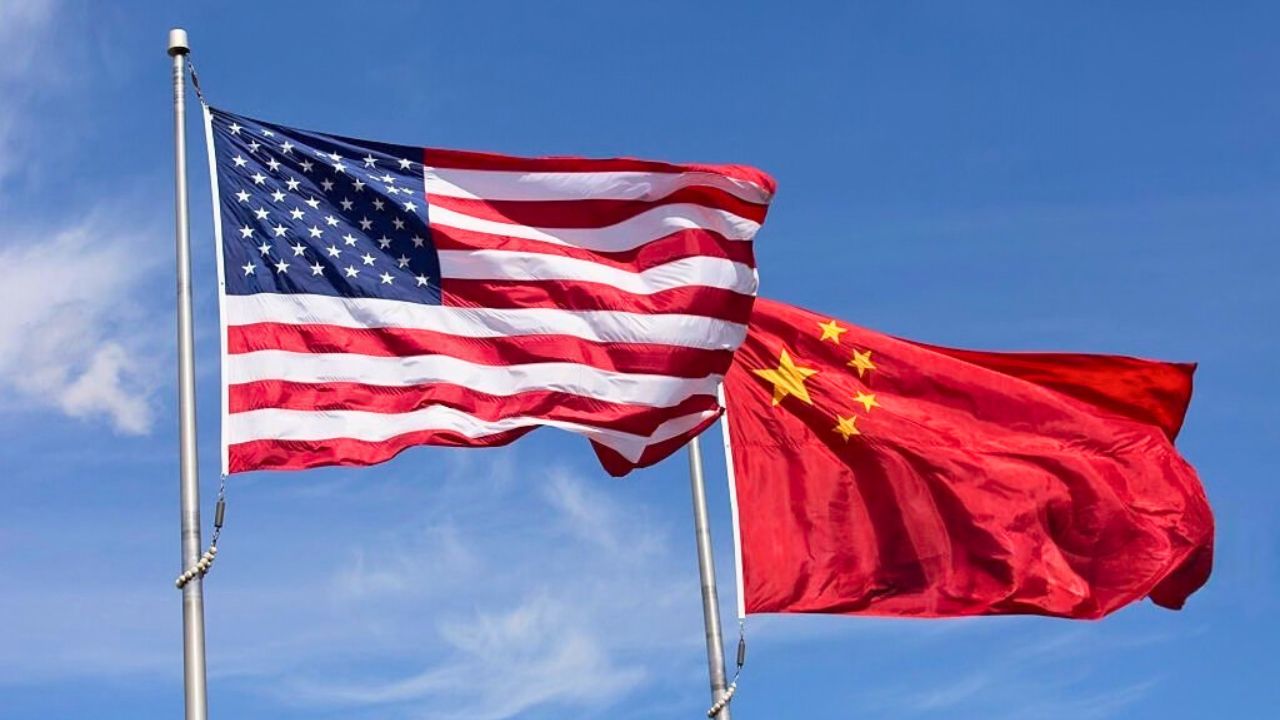
U.S. and China trade negotiators preparing for high-stakes meeting ahead of Trump-Xi summit
Photo credit: Cbarnesphotography/istock.com
U.S. and Chinese trade negotiators are racing to shape an agenda, and possibly early deliverables, before President Donald Trump and Xi Jinping meet in Beijing at the end of March. The working-level talks are expected to determine whether the summit produces headline economic deals or simply manages tensions as both governments harden their positions on technology, security and industrial policy.
The stakes are high for global markets, from aircraft and autos to rare earth minerals and advanced semiconductors, as each side tests how far the other is willing to go on tariffs, export controls and market access.
Trade chiefs set mid-March test for progress
U.S. and China trade chiefs are slated to meet in mid Mar, in what officials on both sides describe as the last serious opportunity to narrow differences before the leaders sit down. The gathering is expected to focus on concrete business deals as well as structural irritants that have piled up since the last easing of tensions.
People briefed on the preparations say negotiators are weighing a package of commercial announcements, including talks in which Boeing is exploring the sale of as many as 500 jets to, alongside more contentious debates over tariffs and technology controls.
Officials see the mid Mar encounter as a pressure cooker, since any understanding reached there will define what Trump and Xi Jinping can credibly announce in Beijing. Failure to show movement could reinforce the perception that both governments are settling into a long-term economic confrontation.
Summit expectations shaped by past deals and new probes
The summit itself is scheduled during President Donald Trump’s visit to China from March 31 to April 2, a trip that has already drawn global attention because it would be the first visit to China by a sitting U.S. president since 2017 if Trump (Donald Trump) proceeds as planned. Chinese officials have signaled that they want the meeting with President Xi Jinping to project stability even as they brace for tougher U.S. trade actions.
Earlier this year President Donald Trump and President Xi Jinping of China held a phone call that covered trade and geopolitical flashpoints, including Taiwan, which Trump later described as “all very positive.” That conversation set a tone of guarded optimism, but it did not resolve the underlying disputes that now dominate the preparatory talks.
The last time the two leaders met in person, in Oct, President Donald Trump hailed what he called an “amazing” meeting with his Chinese counterpart Xi Jinping after agreeing on a framework to address tariffs on Chinese goods and negotiate over rare earths. Subsequent analysis of that meeting highlighted how The United States agreed to reduce the so-called “fentanyl tariff” on Chinese products and temporarily suspend some additional duties, while keeping licensing requirements in place for sensitive exports.
Those partial deals calmed markets but left many structural issues untouched. This time, the bar is higher, in part because President Donald Trump has now authorized a Section 301 investigation into China that targets alleged unfair practices in areas such as industrial subsidies and rare earth exports. Trade lawyers say that probe could give Washington a legal basis for fresh tariffs if talks stall.
Analysts describe the current moment as a limited breakthrough opportunity. The Section 301 process has its own timeline, but any commitments that Xi Jinping is willing to make in Beijing could influence how aggressively the U.S. follows through once the investigation concludes.
Inside the Trump team, figures such as veteran investor Scott Bessent and trade specialist Jamieson Greer are seen by business groups as influential voices on how hard to press Beijing. Their advice will shape whether the administration prioritizes headline purchases, such as aircraft and farm goods, or leans into deeper fights over data, subsidies and outbound investment.
On the Chinese side, economic planner He Lifeng has emerged as a central figure in coordinating Beijing’s response. He Lifeng is expected to balance Xi Jinping’s desire to avoid economic shocks with a firm line on issues that Chinese officials frame as core to national security, including controls on advanced chips and rules affecting state-owned enterprises.
Diplomats say the choreography around the summit is almost as important as the content. In March, President Xi Jinping and US President Donald Trump are expected to meet in Beijing, with trade, technology and global security all on the table. If Trump’s trip proceeds as planned, it will also carry symbolic weight as a renewed U.S. presidential presence in China after years of pandemic disruptions and escalating rivalry.
In parallel, quiet diplomacy has unfolded in Europe. A recent meeting in Paris brought together senior U.S. and Chinese envoys, who used the neutral setting to probe each other’s red lines on export controls, investment screening and sanctions linked to conflicts in the Middle East. Participants described that encounter as a chance to untie some of the diplomatic knots that could otherwise derail the Beijing summit.
Chinese officials have also been working to frame the meeting as part of a broader call for de-escalation. In early Mar, a senior Chinese diplomat warned that the “flames of war” were spreading in several regions and urged that “All parties should return to the negotiating table as soon as possible and resolve their differences through equal dialogue.” While the remark referenced security crises beyond Asia, it also served as a reminder that Beijing wants to be seen as a responsible stakeholder even as it pushes back against U.S. pressure.
For Trump, the trip to China comes amid domestic political scrutiny over trade policy and the Supreme Court’s recent decisions on presidential authority. A video statement outlining his planned visit to China from March 31 to April 2 framed the summit with Chinese Pres Xi Jinping as a chance to defend American workers while stabilizing a critical relationship.
Business leaders are watching closely, particularly in sectors that have already felt the impact of previous tariff rounds. Aviation executives see the potential Boeing order as a bellwether for how far China is willing to go to separate commercial decisions from political tensions. Technology firms are focused on whether the summit produces any easing of restrictions on advanced chips or cloud services, or if both sides instead double down on decoupling.
In Beijing, the mood among trade specialists is cautious. Officials preparing for the summit have to navigate both the expectations of President Xi Jinping and the domestic pressures of maintaining growth while managing financial risks. They are also preparing for the optics of hosting a U.S. president who has repeatedly criticized China’s trade practices and promised to bring supply chains home.
Regional allies will parse every word that comes out of Beijing. Governments across Asia, from Tokyo to Singapore, see the Trump Xi meeting as a test of whether the two largest economies can compartmentalize their rivalry. A failure that leads to new tariffs or sanctions could force them to pick sides in areas such as 5G infrastructure, cloud computing and critical minerals.
Inside the U.S., lawmakers from both parties are pressing the administration not to trade away leverage on human rights or security issues in return for short-term export wins. That tension will shadow any announcement of big-ticket purchases, including the possible Boeing deal, and could make it harder for Trump to claim an uncomplicated victory.
For financial markets, the immediate question is whether the mid Mar negotiators can produce enough progress to justify a positive narrative heading into the summit. Traders will look for signals that the Section 301 investigation into China might lead to targeted measures rather than a broad new tariff wave, especially if Beijing offers concessions on market access or intellectual property.
Ultimately, the meeting between Donald Trump and Xi Jinping will be judged less by ceremony than by whether it changes the trajectory of a relationship that has become defined by suspicion. The negotiators gathering in Mar carry the burden of turning a history of partial deals and missed chances into something more durable, or at least preventing a new spiral of tariffs and countermeasures.
Like Fix It Homestead’s content? Be sure to follow us.
Here’s more from us:
- I made Joanna Gaines’s Friendsgiving casserole and here is what I would keep
- Pump Shotguns That Jam the Moment You Actually Need Them
- The First 5 Things Guests Notice About Your Living Room at Christmas
- What Caliber Works Best for Groundhogs, Armadillos, and Other Digging Pests?
- Rifles worth keeping by the back door on any rural property
*This article was developed with AI-powered tools and has been carefully reviewed by our editors.