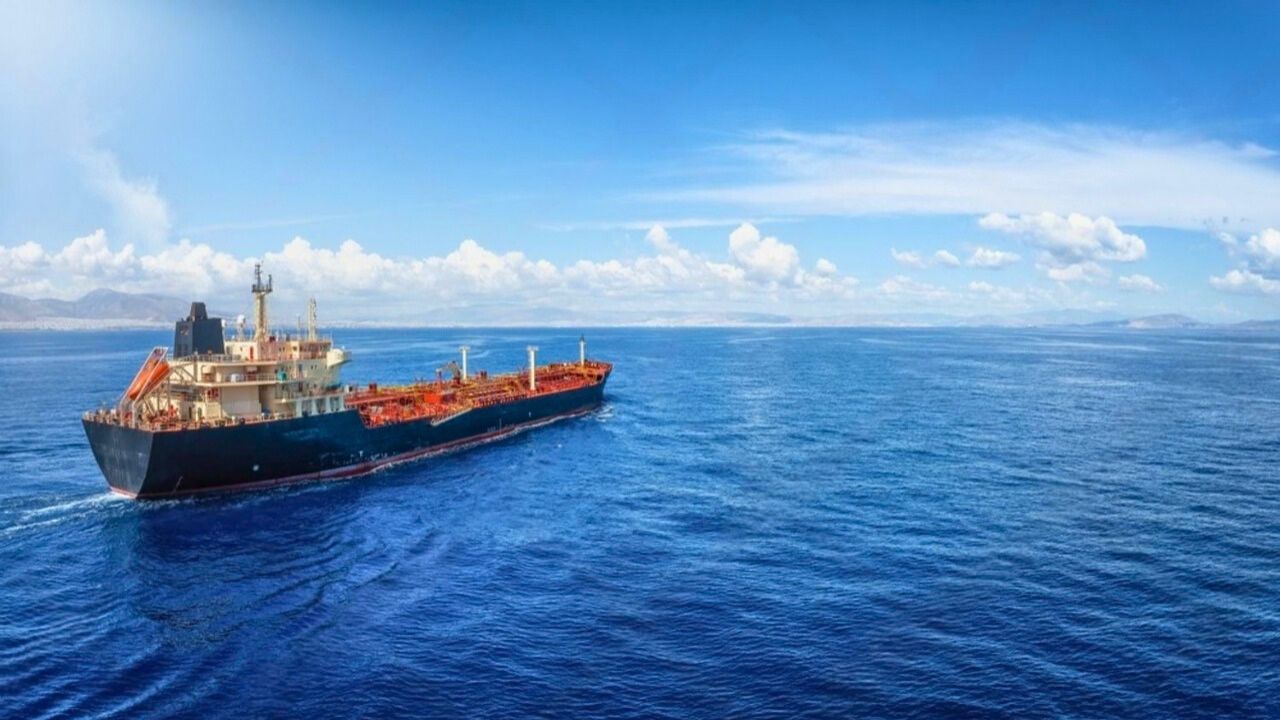
Shipping disruptions raise fears for one of the world’s most critical oil routes
Photo credit: Sven Hansche/Shutterstock.com
Oil markets are on edge as fighting around the Strait of Hormuz turns one of the world’s most vital energy arteries into a conflict zone. A route that usually carries a large share of globally traded crude is now associated with missile strikes, damaged tankers and rerouted ships, raising fears that a local war could trigger a wider economic shock.
What began as a military confrontation between Iran, the United States and Israeli forces is rapidly morphing into a test of how resilient the global oil system really is. From Gulf export terminals to Asian refineries and European fuel depots, companies are scrambling to adapt to a chokepoint that no longer looks secure.
From airstrikes to a contested chokepoint
Regional tensions spiked after US and Israeli forces struck Iran on February 28, a move that, according to one logistics analysis, was followed within 48 hours by a shutdown of the Strait of Hormuz. That closure is described as the most severe shock to supply chains and the logistics environment since the pandemic, as tankers and container ships suddenly lost access to their usual route.
Iran responded to the initial strikes with missile and drone attacks on US military bases, Israeli territory and other Gulf states, turning a long-simmering rivalry into an open conflict that now defines the 2026 Strait of. Soon afterwards, traffic through the narrow waterway dropped to levels not seen since the oil crises of the 1970s, as shipowners weighed physical risk against the need to keep cargo moving.
The geography makes the stakes clear. The strait, a pinch point between the Persian Gulf and the open ocean, is flanked by Iran on one side and Gulf export hubs on the other, and has long been recognized as one of the world’s most critical oil and gas corridors.
Tankers hit, routes rerouted and ports under strain
The conflict is not just theoretical for ship crews. Earlier this month, a projectile struck the Marshall Islands flagged product tanker MKD VYOM, killing a crew member as the vessel sailed off the region. The attack highlighted how quickly commercial shipping can become collateral when state actors trade fire near busy sea lanes.
In the Gulf and the strait itself, at least six tankers have been attacked, and live coverage from the war has shown the Thailand flagged cargo ship Mayuree Naree engulfed in black smoke. The images of a burning vessel, combined with reports of multiple damaged tankers, have reinforced the perception among shipowners that the area is now a high risk zone.
Container traffic is also affected. A maritime safety update circulated on social media under the heading Strait of Hormuz described how 01.03 saw Multiple Vessels Reverse Course as maritime traffic patterns shifted away from the danger zone. That kind of sudden course change adds days to voyages and scrambles schedules for ports and inland logistics providers.
Further afield, several Gulf ports have reported a spike in operational exceptions, including transshipment delays and late vessel departures, as carriers reroute services and bunch arrivals at safer hubs such as Jebel Ali, often abbreviated as Jeb. That congestion adds another layer of cost for exporters and importers who rely on predictable turnaround times.
Even routes that do not pass through the strait are under pressure. Though the conflict is centered on the Persian Gulf, shipping companies fear that the Iran backed Houthi militia in could renew attacks in the Red Sea, which would threaten vessels on the Suez route that are already particularly exposed to Houthi attacks. The prospect of simultaneous disruption in both the Red Sea and the Strait of Hormuz alarms carriers that moved around earlier Red Sea trouble by diverting via the Cape of Good Hope.
For the oil market, the bottleneck is already visible in prices. Traders have watched Crude Oil Jumps while stocks steady, as ships are hit in the Strait of Hormuz and traders weigh the risk that a prolonged closure would be a game changer for supply. The price reaction reflects not only lost barrels but also the insurance and security premiums now embedded in every voyage.
Some cargoes are stranded. Reports from shipping circles describe tankers waiting on the Gulf side of the strait, unable or unwilling to transit while military operations continue, and others idling at safer anchorages, which effectively removes capacity from the market.
Global energy agencies have long warned that a full blockage of the Strait of Hormuz would be difficult to offset with alternative routes. A US government energy analysis, cited in supply chain commentary linked to Strait of Hormuz and What It Means for Your Supply, has previously highlighted how much of the world’s seaborne crude and liquefied natural gas passes through this narrow channel, with limited spare pipeline capacity around it.
That vulnerability is now playing out in real time. Earlier this year, Iran shut down the Strait of Hormuz to traffic, and one business report described how oil and gas prices rose as cargo ships were prevented from sailing through the waterway, leaving tankers stranded and cargoes delayed for days or weeks at a time.
On land, the effects ripple through refineries and fuel markets. Asian refiners that rely on Gulf crude face longer voyages and higher freight rates, while European buyers juggle cargoes from West Africa, the North Sea and the United States to replace barrels that would normally load at Gulf terminals and transit the strait.
Governments are also adjusting. Some have started to tap strategic reserves or prepare to do so if the disruption persists. Others are leaning on long term contracts and pipeline deliveries that bypass maritime chokepoints, although those alternatives often lack the flexibility of spot tanker shipments.
In shipping, risk managers are rewriting their assumptions. War risk premiums have climbed, and some insurers are demanding higher rates to maintain policies that cover voyages near the conflict zone, which in turn pushes charter rates up for any owner willing to take on the risk.
Operationally, shipmasters are adopting warlike procedures, from sailing without AIS signals in sensitive areas to coordinating closely with naval escorts where available. Yet even with those precautions, the attacks on MKD VYOM and Mayuree Naree illustrate that no mitigation fully removes the danger when missiles and drones are in play.
The crisis also exposes how intertwined different maritime regions have become. As carriers divert away from Hormuz and possibly the Red Sea, they lengthen voyages, tie up vessels and containers, and strain port infrastructure elsewhere. That feedback loop can eventually reach consumers in the form of higher pump prices and more expensive goods.
At the same time, the geography of the strait itself, captured in satellite and mapping views of the Strait of Hormuz, reinforces why so many actors are involved. With narrow shipping lanes squeezed between Iran and Gulf states, even minor incidents can have outsized consequences for global trade.
For now, markets are trying to price a moving target. If military escalation continues, more shipowners may simply refuse to transit the strait, regardless of price incentives, which would deepen the supply shock. A negotiated de escalation, on the other hand, could reopen the route gradually, although insurers and crews may remain wary long after the shooting stops.
What is already clear is that the current disruption has revived memories of the 1970s oil crises and given new urgency to long running debates about energy security, diversification and the world’s dependence on a few narrow waterways. The Strait of Hormuz, once treated as a stable fixture of the oil trade, now looks like a single point of failure that policymakers and markets can no longer take for granted.
Like Fix It Homestead’s content? Be sure to follow us.
Here’s more from us:
- I made Joanna Gaines’s Friendsgiving casserole and here is what I would keep
- Pump Shotguns That Jam the Moment You Actually Need Them
- The First 5 Things Guests Notice About Your Living Room at Christmas
- What Caliber Works Best for Groundhogs, Armadillos, and Other Digging Pests?
- Rifles worth keeping by the back door on any rural property
*This article was developed with AI-powered tools and has been carefully reviewed by our editors.