Trump says the Iran war will end “soon,” insisting he can stop it whenever he decides
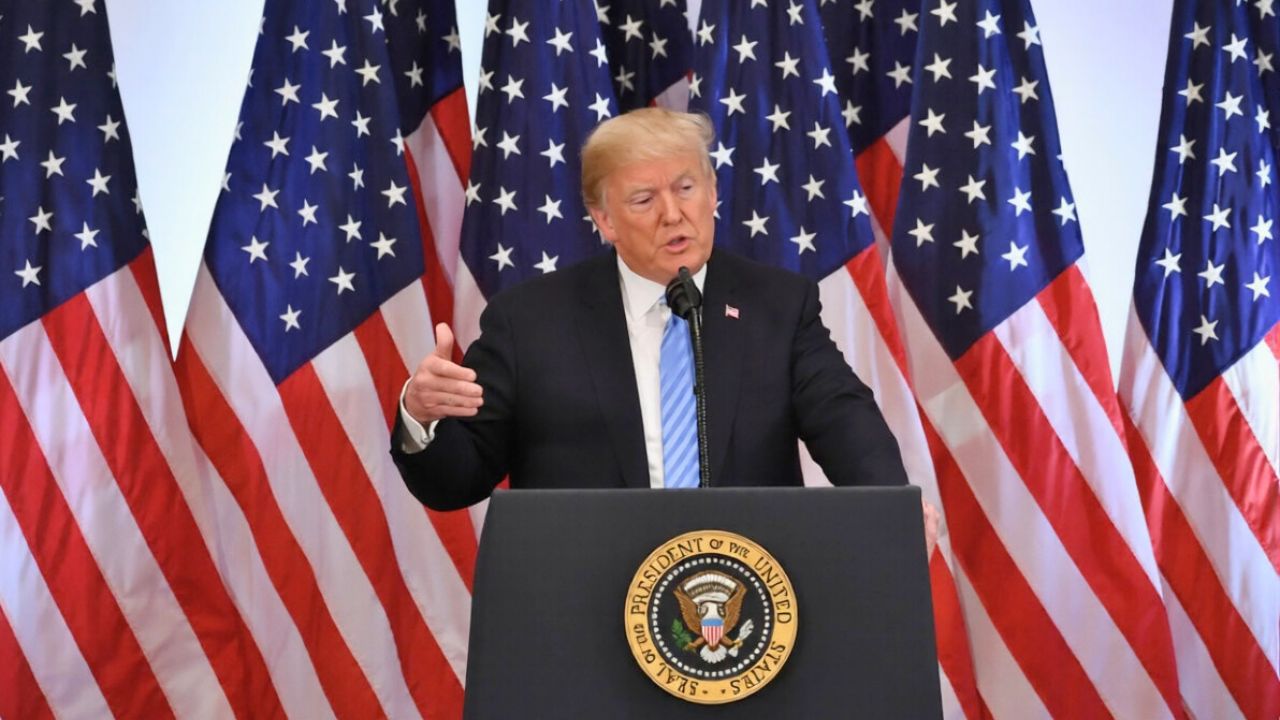
Photo credit: Evan El Amin/Shutterstock.com
President Donald Trump has begun talking about the war with Iran as if its end rests almost entirely in his hands. He has told interviewers that the conflict will end “very soon” and suggested he can effectively stop it whenever he decides, even as fighting continues on multiple fronts.
Those comments have prompted sharp questions in Washington and among allies about how close the campaign really is to a conclusion, what “victory” would entail, and whether the president’s confidence matches the facts on the ground.
Trump’s sweeping claims of control
In recent days, Donald Trump has repeatedly described Iran as effectively beaten and the war as nearly wrapped up. He has cast the conflict as a test of resolve that the United States and Israel have already passed, while portraying Iran as exhausted and outmatched.
During a press appearance at his golf club, President Donald Trump said the war with Iran would end “very soon” and predicted that oil prices would fall once the campaign winds down, presenting the conflict as something that can be concluded at his discretion rather than through a negotiated process.
He has also claimed that U.S. and Israeli strikes have degraded Iran’s capabilities to the point that there is “practically nothing left to target,” language he used in a brief phone interview when asked how long the fighting might continue.
“Practically nothing left to target”
That phrase has become a central part of Trump’s sales pitch about the war’s trajectory. In his telling, the air campaign has already destroyed most of Iran’s meaningful military assets, leaving the country with little ability to respond.
Trump told one interviewer that U.S. strikes have been so extensive that there is “practically nothing left” in Iran to hit, a description echoed in social media posts that quoted him saying the war could end “soon” after those attacks.
He has pointed to specific figures to argue that Iran’s arsenal is close to spent, claiming that Iranian missiles are down 90% and drones are down 85%, and that the country “doesn’t have anti-aircraft equipment” and “doesn’t have anything” left to fight with.
Supporters of this line of argument say the campaign has already achieved its main military goals, especially in weakening Iran’s ability to launch missiles and drones at U.S. forces, Israel, and regional shipping.
Conflicting signals from allies and aides
The picture looks less tidy once the perspectives of Israel and Trump’s own advisers are added in. While Trump talks about an imminent end, Israel and the US have appeared at odds over how long the war should run and what objectives remain.
Israeli leaders have signaled that there is no “time limit” on the joint operation against Iran, even as Trump insists that the campaign is ahead of schedule and could be over very soon.
Inside his administration, senior figures are quietly contesting how and when to wind the conflict down. According to one detailed account, several Trump aides are vying to shape the exit strategy from the Iran war, with some pushing for a faster drawdown and others warning that a premature declaration of victory could leave U.S. forces exposed.
That report describes how the military achievements of the U.S. and Israel have been “seriously undercut” by Iran’s stepped-up attacks on oil tankers and transport facilities in and around key waterways, complicating any clean endgame and making it harder to predict what comes next.
On the ground, a war that still bites
While Trump projects near-total control over the timeline, the battlefield remains active and dangerous. Suspected Iranian drones have hit at least three ships in and around the Strait of Hormuz and the Persian Gulf, and the conflict has also involved cyberattacks on Iran-linked banks across the Mideast.
These incidents show that Iran retains the ability to disrupt global trade and financial networks, even if its conventional forces have taken heavy losses. They also underline why many in the national security community are skeptical of claims that there is little left to target.
Trump himself has occasionally acknowledged that the fight is not yet finished, even as he declares that “we’ve won” the war with Iran. In one set of remarks, he paired that assertion with the argument that “the main thing is we have to win this” and “we’ve got to finish the job,” a formulation that implies more operations ahead despite the victory language.
Oil prices and political incentives
Trump’s insistence that the war will end soon is closely tied to his promises about energy and the economy. At his golf club press conference, President Donald Trump not only forecast a quick end to the Iran conflict but also suggested that oil prices would fall once the war is wrapped up, sidestepping questions about the human cost to focus instead on economic upside.
He has argued that by degrading Iran’s ability to threaten Gulf shipping and energy infrastructure, the campaign will eventually remove a major source of risk from global oil markets. That claim sits uneasily with the continued attacks on tankers and terminals, which have kept traders on edge and complicated any simple narrative of stabilization.
Within the White House, some advisers see a political incentive in tying the war’s timeline to fuel costs. A declaration that the conflict is ending, followed by even a modest dip in gasoline prices, would give Trump a potent talking point as he defends his foreign policy record.
What “victory” means for Iran and the region
Trump’s rhetoric also glosses over the question of what a sustainable end state in Iran would look like. He has said Iran is “at the end of the line” and warned that the United States could further cripple Iranian infrastructure if necessary, but he has offered little detail about how political power inside Iran might evolve after such a campaign.
Regional observers point out that even if much of Iran’s conventional arsenal has been destroyed, the country can still rely on proxy groups and asymmetric tactics. That reality makes any unilateral declaration of victory more symbolic than definitive.
For Israel, which has framed the joint operation as a long-term effort to neutralize Iranian threats, Trump’s talk of a near-term wrap-up raises the prospect of a gap between U.S. and Israeli timelines. Israel and the US are formally aligned in the campaign, yet their leaders are clearly not using the same calendar.
A president who says he can stop the war at will
Trump’s most striking claim is not just that the war will end soon, but that it will end when he chooses. In his telling, the United States and Israel have already broken Iran’s capacity to wage war, and what remains is largely a matter of presidential will.
He has said that the war will end when he decides that the goals have been met, and his aides describe a president who sees the conflict as a lever he can pull to influence markets, alliance politics, and his own political fortunes.
Yet the continued attacks on ships, the threat to banks, and the internal debates among his advisers all point to a more complicated reality. The war may be closer to its later stages than its beginning, but it is not a switch that can be flipped off without consequences.
Trump’s confidence, his talk of “practically nothing left to target,” and his promises of lower oil prices have set expectations high. Whether events in Iran, in the Strait of Hormuz, and inside his own administration cooperate with that script is far less certain, and remains unverified based on available sources.
Like Fix It Homestead’s content? Be sure to follow us.
Here’s more from us:
- I made Joanna Gaines’s Friendsgiving casserole and here is what I would keep
- Pump Shotguns That Jam the Moment You Actually Need Them
- The First 5 Things Guests Notice About Your Living Room at Christmas
- What Caliber Works Best for Groundhogs, Armadillos, and Other Digging Pests?
- Rifles worth keeping by the back door on any rural property
*This article was developed with AI-powered tools and has been carefully reviewed by our editors.