Cuba’s prisoner release raises questions about possible political concessions
Photo credit: Nikola Milosevic/istock.com
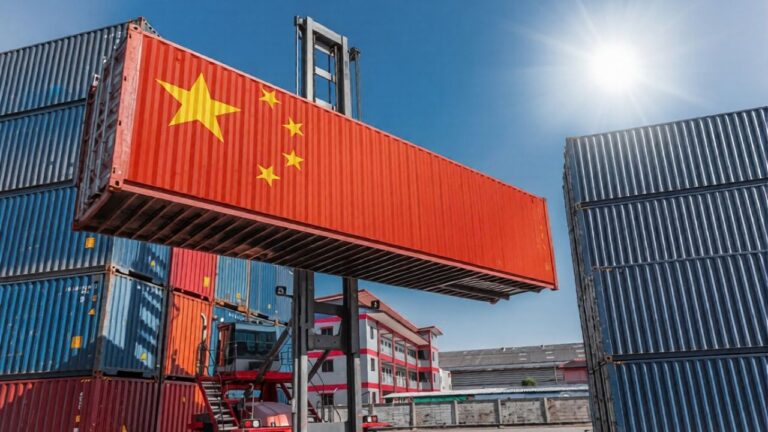
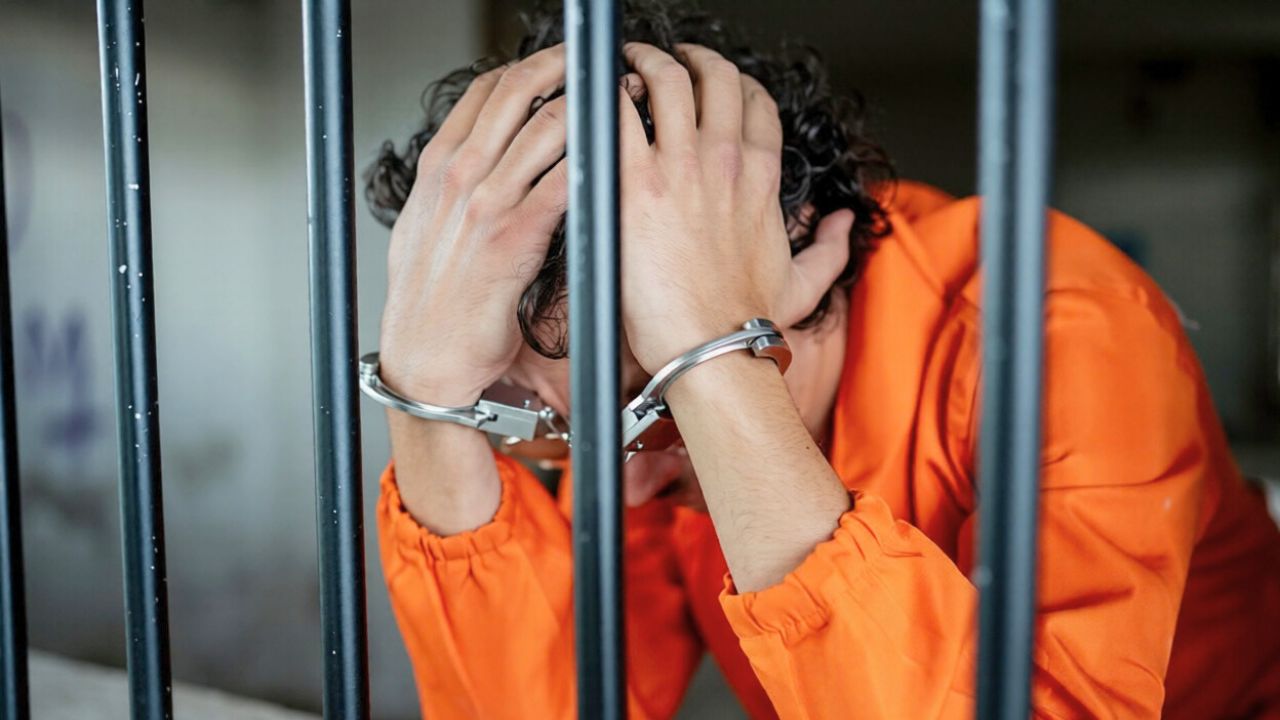
Cuba’s decision to free 51 prisoners has been presented as a humanitarian gesture, but it also comes at a moment of intense economic strain and diplomatic maneuvering. The move, brokered with the Vatican, feeds speculation that Havana is using its prison system as leverage in broader negotiations with foreign powers, especially the United States. The question now is whether this release signals genuine reform or a tactical concession in exchange for relief from mounting pressure.
Officials in Cuba say the 51 people will be pardoned or granted conditional freedom as part of an agreement with the Vatican, with some expected to leave the country. The government points to a longer pattern, noting that it has granted pardons to 9,905 inmates since 2010 and early release to another 10,000 over the past three years, figures meant to show a steady policy rather than a one-off response.
Vatican channel, Washington backdrop
The latest announcement followed talks with the Vatican, which has quietly positioned itself as a mediator with Cuba’s authorities on sensitive issues such as prisoners and migration. Officials emphasize that thousands of inmates have been released over the years, a narrative that frames the new step as part of a humanitarian track encouraged by the Catholic Church.
Yet the timing is impossible to separate from Washington. Cuba is facing an effective oil blockade and a tightening of sanctions from the United States that have deepened shortages, pushed the power grid into crisis and left the economy in one of its worst moments in decades, according to reporting that describes how the pressure is “pressuring like never. In that context, a high-profile gesture on political detainees becomes a potential bargaining chip.
Rights group Prisoners Defenders has identified 1,214 political prisoners in Cuba as of early 2026, far more than the 51 now slated for release. The gap between government messaging and independent counts fuels skepticism among families and activists who see the measure as partial and reversible.
A pattern of releases tied to U.S. moves
The current step also fits into a recent pattern in which changes in U.S. policy are closely followed by prisoner releases in Cuba. After the United States removed Cuba from its list of terror sponsors, Havana pledged to free 553 prisoners in a coordinated move with the White House. That earlier package was framed as part of a broader thaw, suggesting that detention policy is deeply intertwined with diplomatic openings.
Television footage at the time showed emotional scenes in Cuba as detainees walked out of prison to be greeted by relatives. Among them was 23-year-old Daniel Cruz, whose release became a symbol of how quickly lives can change when negotiations advance. The new group of 51 is smaller, but the choreography feels familiar to Cubans who have watched cycles of confrontation and partial reconciliation for years.
Earlier in 2025, some prisoners were freed as part of talks with the Vatican that unfolded just after a shift in U.S. policy. One of those individuals is cited in recent coverage as a precursor to the current deal, suggesting a continuous channel in which the Vatican helps broker incremental concessions on both sides.
At the same time, civic monitors describe a stop-start pattern. According to one account, authorities halted releases after the inauguration of United States President Donald Trump, then resumed them in late February 2025. That history reinforces the perception that prisoner policy is less about internal legal standards and more about the external diplomatic climate.
Domestic pressure, international optics
Inside Cuba, the economic crisis is severe. Reports describe blackouts, fuel shortages and a collapsing public services network, all compounded by the oil squeeze and long-standing U.S. sanctions. Analysts argue that such stress increases the incentive for Havana to show flexibility on issues that resonate in Washington, such as political detainees, in order to seek relief from the most punishing measures.
One analysis of the current situation suggests that Cuba faces intense economic pressure as the United States continues an oil blockade and that the prisoner release may be aimed at appeasing U.S. concerns and opening space for talks on sanctions and energy flows. The same reporting notes that officials in Cuba say they are willing to discuss issues where there are differences, hinting at a transactional approach that links human rights steps to economic concessions.
In Miami, where exiles and business interests follow every twist in U.S.–Cuba relations, there is both hope and caution. Investors see opportunities if Havana opens further, but they also recall that the government in Havana has long resisted outside pressure, including what one report describes as decades of coups attempts, flattery and economic pressure. That memory tempers expectations that a single prisoner release will lead to sweeping change.
Numbers, narratives and the question of political prisoners
The Cuban government insists that it does not hold political prisoners and that those in custody were convicted of common crimes or acts that threaten public order. Yet organizations such as Prisoners Defenders, which counts 1,214 political detainees, argue that many were jailed for participating in protests since 2021 or for peaceful dissent. This clash of narratives sits at the heart of the current debate.
By highlighting that it has pardoned 9,905 inmates since 2010 and granted early release to 10,000 in recent years, the state seeks to portray its justice system as lenient and responsive. However, critics point out that these aggregate figures include a wide range of offenses and do not directly address the cases that international observers consider political. The new group of 51 therefore risks being seen as a carefully selected subset rather than a structural shift.
Coverage from Miami describes how Cuba’s announcement of 51 releases comes amid increased tensions with the U.S., and how officials still reject the idea that any detainees are behind bars for political reasons. That stance may satisfy hardliners at home, but it complicates efforts to win broader international trust.
Human stories behind the numbers
Behind each statistic is a family that has waited for news. The earlier release of figures like Daniel Cruz, who returned home at 23 after a high-profile deal, illustrated how quickly political decisions in Havana and Washington can transform individual futures. The same will be true for the 51 people now expecting to leave prison, some of whom may be required to depart the country as a condition of freedom.
Rights groups caution that while any release is a relief for those directly affected, it can also function as a safety valve that reduces pressure without changing the underlying system. They point to continuing reports of detentions for protest activity and to the large number of remaining cases documented by Prisoners Defenders as signs that the core machinery of repression is still in place.
For families of those not on the list, the announcement can land as a painful reminder that their relatives remain bargaining chips in a negotiation over which they have no control. That dynamic fuels calls for a more transparent process and for clear criteria that would apply to all political cases, not just those selected for diplomatic impact.
What the release signals, and what it does not
The involvement of the Vatican, which has been cited as a key interlocutor with Cuba, suggests that religious diplomacy will continue to play a role in unlocking future concessions. Several references to talks with the and to discovered links across Vatican-related coverage indicate a sustained channel rather than a one-off intervention.
At the same time, the broader trajectory of U.S.–Cuba relations remains uncertain. Some analyses highlight how new policy ideas in Washington will require significant change in Havana, including greater legal predictability and respect for civil liberties, before large-scale investment or full normalization can occur. The current prisoner release can be read as a small step in that direction, but not yet the kind of systemic reform that would transform the relationship.
Like Fix It Homestead’s content? Be sure to follow us.
Here’s more from us:
- I made Joanna Gaines’s Friendsgiving casserole and here is what I would keep
- Pump Shotguns That Jam the Moment You Actually Need Them
- The First 5 Things Guests Notice About Your Living Room at Christmas
- What Caliber Works Best for Groundhogs, Armadillos, and Other Digging Pests?
- Rifles worth keeping by the back door on any rural property
*This article was developed with AI-powered tools and has been carefully reviewed by our editors.