Regional tensions escalate as proxy forces mobilize across the Middle East
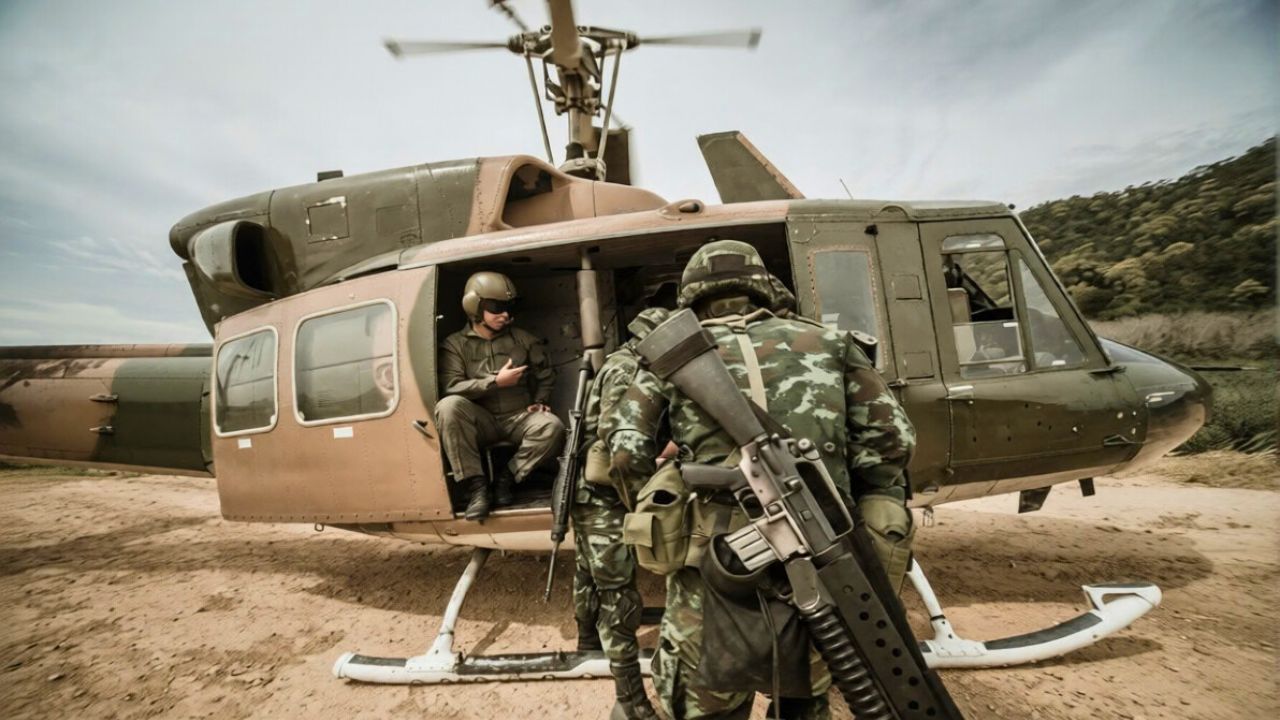
Photo credit: ANURAKE SINGTO ON/Shutterstock.com
Proxy warfare is no longer a shadow contest in the Middle East; it has become the main engine driving a regional conflict that stretches from the Mediterranean to the Gulf. As Iran, the US, Israel and their partners trade direct blows, allied militias and armed movements are mobilizing on multiple fronts, raising the risk that local skirmishes harden into a broad, long war. The result is a volatile map where every border, port and air corridor can become a pressure point overnight.
At the center is Iran’s effort to reshape the balance of power through its network of partners and proxies, while Washington and Tel Aviv try to blunt that influence with air campaigns, sanctions and maritime deployments. The fighting is already disrupting trade routes, forcing evacuations and testing the resilience of fragile states that had only just begun to recover from earlier cycles of war.
Axis of resistance moves to the front line
Analysts describe the current confrontation as the latest phase in a long build up in the Middle East geopolitical that has placed the Iran Conflict at the heart of regional security. Tehran has spent years cultivating an “Axis of Resistance” that now includes Hamas, Hezbollah, Iraqi militias and the Houthis, each with its own local agenda but tied into a shared confrontation with Israel and the US.
The current war is rooted in a chain of escalation that began when Hamas carried out the Oct. 7, 2023 cross border strikes against Israel that killed 1,200 people. That attack triggered a devastating campaign in Gaza and the West Bank and deepened the alignment between Palestinian factions and Iran’s broader proxy network.
Reports on Middle East Special dynamics now describe a full scale war in which Iran, the US and Israel are directly exchanging fire while also relying on partner forces. Tehran has launched multiple waves of drones and missiles, while American and Israeli aircraft have struck Iranian military sites, infrastructure and security forces in Tehran and other cities.
Regional leaders are also watching the role of figures such as Ali Khamenei, whose decisions shape how far Iran is willing to push its confrontation with Washington and Tel Aviv. Under his guidance, Iranian planners have treated proxy activation as a strategic tool that can harass adversaries while limiting direct exposure of Iranian forces.
From Gaza to Lebanon and Iraq, a widening proxy map
The front in Lebanon has become a key test of that strategy. Hezbollah has claimed 29 attacks targeting IDF forces and positions in northern Israel and southern Lebanon in a short period, according to detailed battlefield reporting, signaling that the group is prepared to sustain a high operational tempo in support of Iran.
These cross border strikes are calibrated to keep pressure on Israel and tie down IDF units without immediately triggering a full scale ground invasion of Lebanon. Yet each rocket barrage or anti tank missile launch increases the chance of miscalculation, especially as Israeli commanders weigh whether Hezbollah’s involvement could justify a broader northern campaign.
In Iraq, Iranian backed militias are facing a coordinated air campaign by a combined US and Israeli force. An Iranian update notes that this coalition has continued to strike militia targets to limit their ability to launch drones and rockets at American bases and Israeli territory.
Security assessments describe Iraq as both a battleground and a corridor. Militia convoys, weapons transfers and training camps connect Iranian territory to Syria and Lebanon, while Iraqi Kurdistan may emerge as a flashpoint if Kurdish forces or local infrastructure become entangled in the conflict.
In Gaza and the West Bank, Palestinian factions linked to the Axis of Resistance continue to absorb heavy Israeli strikes while still launching rockets and raids. Analysts argue that Iran’s support for these groups is less about direct battlefield gains and more about keeping Israel under constant pressure on multiple fronts while Tehran tests long range strike options.
Yemen is another arena where proxy choices could reshape the war. The Houthis, who control much of northern Yemen, are described by one analysis as a military rebel group that must decide whether to join Iran’s war against the US and Israel or distance itself from Tehran. Barbara Slavin, identified as By Barbara Slavin, Distinguished Fellow, Middle East Perspectives Project, argues that if Iran escalates, the Houthis will likely follow suit and intensify attacks on Red Sea shipping and Gulf infrastructure.
Such a decision would have direct consequences for global trade. Houthi strikes on commercial vessels have already forced rerouting of container traffic away from the Red Sea, and a deeper alignment with Iran’s war effort could extend the disruption into the Gulf of Aden and beyond.
Inside Iran, the air campaign has targeted military and paramilitary assets. An Iran Update Evening describes several strikes that hit Islamic Revolutionary Guard Corps and Basij bases across Iran, part of a campaign designed to degrade command nodes and missile infrastructure.
Another detailed evening report links those strikes to Hezbollah’s stepped up activity, suggesting that Tehran is trying to offset domestic vulnerabilities by leaning harder on its Lebanese partner. The pattern reinforces the idea that every hit on Iranian soil has a proxy echo somewhere else in the region.
Cyber and information operations are also expanding the conflict. A detailed study of Operation Epic Fury tracks how military strikes are paired with hacking campaigns against infrastructure, financial systems and government networks. Flashpoint analysis of March 1 to March 2, under the label Infrastructure Targeting and Internationalization, identified a wave of probing attacks that coincided with missile launches and drone swarms.
These cyber operations aim to unsettle civilian populations, complicate military logistics and pressure governments that host US forces or cooperate with Israeli intelligence. They also give proxy actors a lower cost way to harass adversaries without exposing their fighters to direct retaliation.
The Gulf is feeling the impact in very physical ways. Video from Dubai shows the financial center near the Burj Khalifa engulfed in smoke after Iranian drones hit targets in the United Arab Emirates, part of a pattern in which The Gulf region faces sharp escalation. Saudi Ar infrastructure has also been targeted, underlining that no major US aligned state in the area is fully insulated from Iranian retaliation.
Logistics companies describe significant disruption to air and sea routes in the Middle East, with vessels rerouted around conflict zones and insurers reassessing coverage. Evacuation groups such as those highlighted in a Project DYNAMO Security report rising requests from expatriates and dual nationals seeking to leave high risk zones.
On the diplomatic front, the spread of proxy activity into Kuwait and Bahrain has triggered quiet alarm. Security assessments of Kuwait and Bahrain highlight their vulnerability to missile and drone strikes if Iran chooses to widen the war against US bases and naval assets.
Regional think tanks warn that the longer the current confrontation continues, the harder it will be to disentangle local grievances from the larger US Israel Iran struggle. The activation of so many proxy forces, from Gaza to Yemen, risks locking fragile states into a conflict they did not choose but may not be able to escape.
For now, the pattern is clear. Direct strikes between Iran, the US and Israel are setting the tempo, but it is the mobilization of proxy forces across the Middle East that is turning a series of crises into a single, interconnected war.
Like Fix It Homestead’s content? Be sure to follow us.
Here’s more from us:
- I made Joanna Gaines’s Friendsgiving casserole and here is what I would keep
- Pump Shotguns That Jam the Moment You Actually Need Them
- The First 5 Things Guests Notice About Your Living Room at Christmas
- What Caliber Works Best for Groundhogs, Armadillos, and Other Digging Pests?
- Rifles worth keeping by the back door on any rural property
*This article was developed with AI-powered tools and has been carefully reviewed by our editors.