How I got better squash growth after planting it wrong the first time
Photo credit: Cavan Images/Shutterstock.com
Squash is famous for turning one packet of seed into a mountain of fruit, yet many gardeners discover that the first planting barely limps along. The difference between stingy vines and baskets of zucchini usually comes down to how the plants are started, spaced, and fed. When those early decisions go wrong, a second, better-planned planting can transform the harvest.
That arc is familiar to gardeners who misjudge squash the first time, then correct course with smarter soil preparation, tighter pest control, and more deliberate pruning. The learning curve is steep, but the fixes are straightforward once the biology of this hungry, sun-loving crop is taken seriously.
Where the first planting went wrong
The most common early mistake is treating squash like a casual side crop instead of a heavy feeder that dominates a bed. Guidance for growing squash stresses that plants need rich soil, consistent moisture, and room to spread, yet many beginners tuck seedlings into thin ground and hope for the best.
Spacing is often the first casualty. Compact raised beds tempt gardeners to pack plants too tightly, which restricts airflow and encourages powdery mildew. Advice on cultural tips for vegetables emphasizes full sun and good air circulation, with plants set where leaves can dry quickly after rain or irrigation.
Soil fertility is the next weak link. Squash that starts in poor ground may stay stunted all season, even if fertilizer is added later. One guide on what can go points out that squash thrives in fertile, compost-rich soil and underperforms when organic matter is missing.
Watering habits compound the problem. New growers often sprinkle plants lightly or rely on overhead watering that wets the foliage. Recommendations for watering squash highlight deep irrigation at the soil line and warn against soaking leaves and fruit, which raises disease pressure.
Timing can undermine even good technique. Squash seeded too early indoors may become root bound and stressed before transplant, while direct seeding into cold ground slows germination and invites rot. One discussion of planting squash notes that starting seed at the wrong time often leads to weak plants that never fully recover.
The reset: soil, spacing, and structure
When a first planting fizzles, the second attempt usually begins with a shovel and a more realistic plan. Experienced growers often rebuild beds with several inches of compost or aged manure mixed into the topsoil. Instructions that say to give native soil a boost with organic matter reflect how strongly squash responds to improved structure and nutrients.
Some gardeners go further and use bagged mixes such as all purpose ground as part of a raised bed blend, then top-dress with compost through the season. This combination provides both immediate fertility and better moisture retention.
Sun exposure becomes nonnegotiable. Recommendations for growing vegetables specify at least 4 to 6 hours of direct light and caution against planting near trees or tall crops that cast shade during peak afternoon heat.
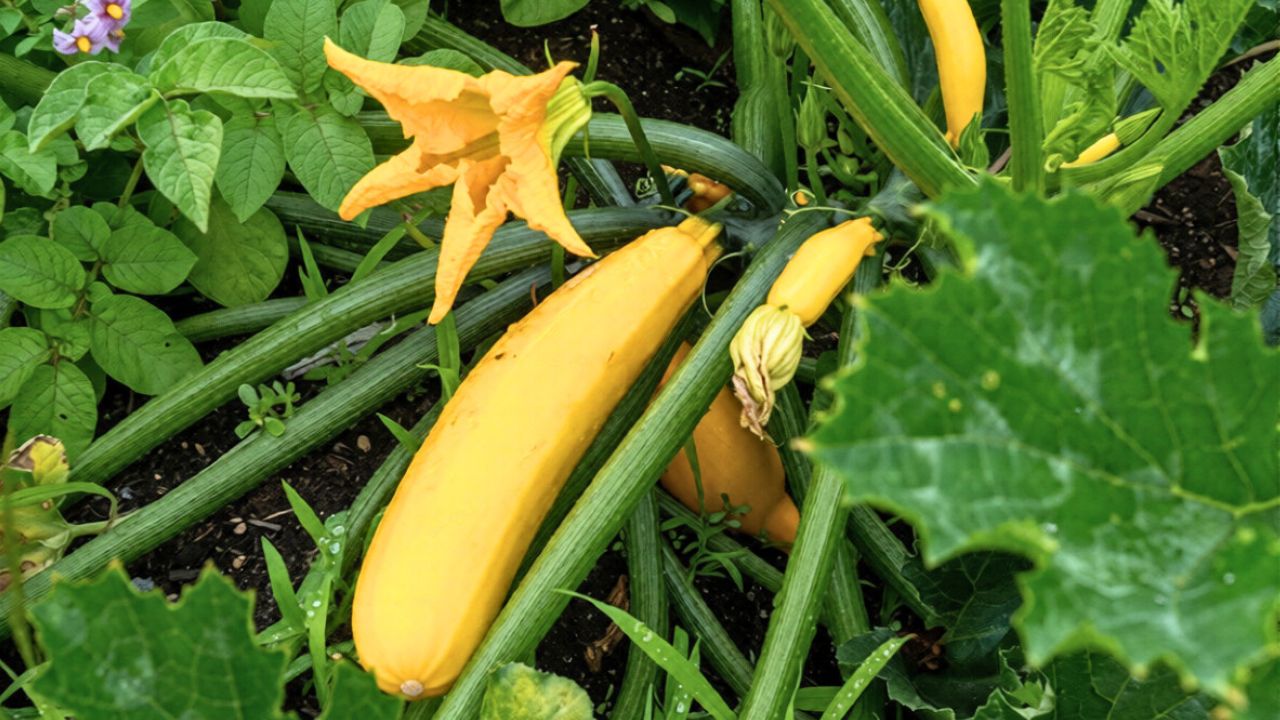
Spacing shifts from guesswork to deliberate geometry. Gardeners who once planted a dense block of starts now follow guidance for growing summer squash that calls for mounds or rows with enough distance for full leaf spread. This layout reduces disease, improves pollinator access, and makes it easier to spot pests early.
Variety selection also tightens up. Instead of grabbing any packet on the rack, growers choose types adapted to their climate and space. Advice on how to grow summer squash stresses matching bush or vining habits to the bed and watching for disease resistance in descriptions.
Once the basics are corrected, attention turns to structure and ongoing care. Several experienced growers share that pruning and training can turn chaotic vines into manageable, productive plants. A video on how to prune squash shows raised beds packed with growth and demonstrates removing older leaves to improve airflow and sunlight penetration.
Another set of tips focuses on feeding. Squash is described as hungry, and one guide on feeding zucchini and warns that failing to provide ongoing nutrition can cut yields sharply. Slow-release organic fertilizers or regular side dressings of composted manure help sustain flowering and fruit set.
Water management also gets an upgrade. Advice on squash watering emphasizes frequent, thorough irrigation at the root zone, combined with mulches that keep soil moisture steady and protect shallow roots from heat.
Pollination is another pivot point between a disappointing first planting and a thriving second one. Summer squash relies on bees and other insects to move pollen from male to female flowers, and guidance for choosing the right ties good fruit set to healthy pollinator activity in the garden.
Some gardeners respond by planting more blooms nearby and skipping broad-spectrum pesticides that can harm bees. Others learn to hand-pollinate during cool morning hours when blossoms are open, using a small brush or simply transferring pollen from male to female flowers by hand.
Pest management becomes more proactive as well. Squash bugs and vine borers can wipe out plants that look healthy one week and collapse the next. Guidance from urban pest resources encourages regular scouting, removal of egg clusters, and use of row covers early in the season before flowering begins.
Some growers also adjust planting dates to dodge peak pest pressure. By checking climate data from tools such as the plant hardiness maps, they time sowing so that young plants are less vulnerable when pest populations surge.
Seasoned gardeners often say the biggest shift in their second try is psychological. They stop assuming squash will thrive on neglect and start treating the crop as a responsive partner that rewards consistent care. Social channels like Stacy Lyn Harris and her Twitter feed are filled with examples of gardeners who adjust their methods and see yields jump.
Others learn from video creators who highlight mistakes in real time. In one clip, James Fioni walks through five errors that limit harvests and demonstrates fixes in a New Jersey garden, with James Fioni and showing how better spacing, pruning, and feeding keep plants producing.
Another video focuses on timing specific tasks in early summer. A gardener shares five secrets to bigger harvests and explains how burying a section of the vine in June encourages new roots and stronger growth, a tactic detailed in a segment on June for squash care.
Community tips extend to short-format clips as well. One creator calls squash an amazing survival crop and offers some tips for abundance, including heavy mulching and succession planting to keep new vines coming as older ones tire.
Behind all these adjustments is a simple pattern. The first planting reveals where assumptions failed, from soil quality to pest pressure. The second planting, built on richer beds, smarter spacing, and more deliberate structure, often delivers the kind of nonstop harvest that squash has always promised.
For gardeners willing to treat that first misstep as a field trial rather than a failure, the payoff is clear. With better preparation, consistent feeding, and small structural tweaks, squash can shift from a frustrating underperformer to the most reliable producer in the garden.
Like Fix It Homestead’s content? Be sure to follow us.
Here’s more from us:
- I made Joanna Gaines’s Friendsgiving casserole and here is what I would keep
- Pump Shotguns That Jam the Moment You Actually Need Them
- The First 5 Things Guests Notice About Your Living Room at Christmas
- What Caliber Works Best for Groundhogs, Armadillos, and Other Digging Pests?
- Rifles worth keeping by the back door on any rural property
*This article was developed with AI-powered tools and has been carefully reviewed by our editors.