What I changed after rain kept washing mulch out of the flower beds
Photo credit: New Africa/Shutterstock.com
After a season of heavy storms, one homeowner watched every rainstorm strip the mulch out of the flower beds and send it sluicing across the walk. The fix turned out to be less about buying more mulch and more about changing the way water moved, what material sat on the soil, and how the beds were edged.
The adjustments below follow that arc: first diagnosing why the mulch was on the move, then reshaping the beds, upgrading materials, and finally tuning drainage so the next downpour settles the mulch instead of sweeping it away.
Seeing mulch washout as a water problem first
The turning point came with the realization that sliding mulch was a symptom, not the main issue. When mulch keeps moving every time it rains, there is usually an underlying site problem that lets runoff gather speed and carry everything with it, a pattern that matches what landscape pros describe as Why mulch washes in the first place.
In this yard, the worst washouts lined up with low spots and a subtle slope that funneled water straight through the beds. Instead of soaking in, stormwater behaved like a shallow stream and treated the mulch like driftwood.
The first change was mental: stop blaming the mulch, start mapping the water. Only then did the physical fixes begin to stick.
Regrading and carving in quiet paths for water
The homeowner started by reshaping the soil so beds no longer acted as gutters. That meant pulling mulch aside, adding soil to low pockets, and creating a slight inward pitch so water slowed and spread before it reached the front edge.
On the steepest run, the solution went a step further. Shallow channels were cut along the back of the bed to redirect the strongest flow into a side yard where turf could absorb it, a move that mirrors advice to Dig Small Trenches and divert rainwater before it rips through planting areas.
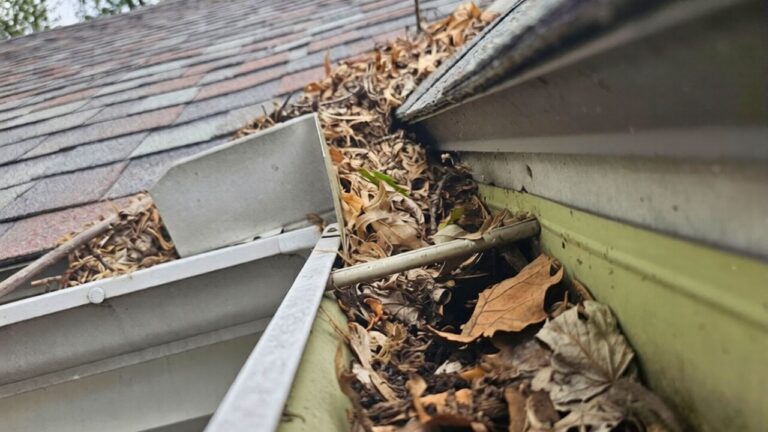
Where roof runoff added to the problem, a downspout extension and a simple splash block shifted that concentrated water away from the beds entirely. That one change cut the worst erosion line in half.
Online, gardeners facing similar problems often discover hidden contributors like buried plastic or compacted subsoil under decorative rock. In one discussion, a commenter urged a homeowner to pull back stone and check what sat underneath, then Get an opinion from a gutter specialist if overflow was feeding the washout. The same principle applied here: track every source, tame each one.
Switching to heavier, interlocking mulch
Once the bed contours were calmer, attention turned to what actually covered the soil. Light bark nuggets had been the first choice, and they behaved exactly as many guides warn: Bark floats easily and rides runoff like tiny boats.
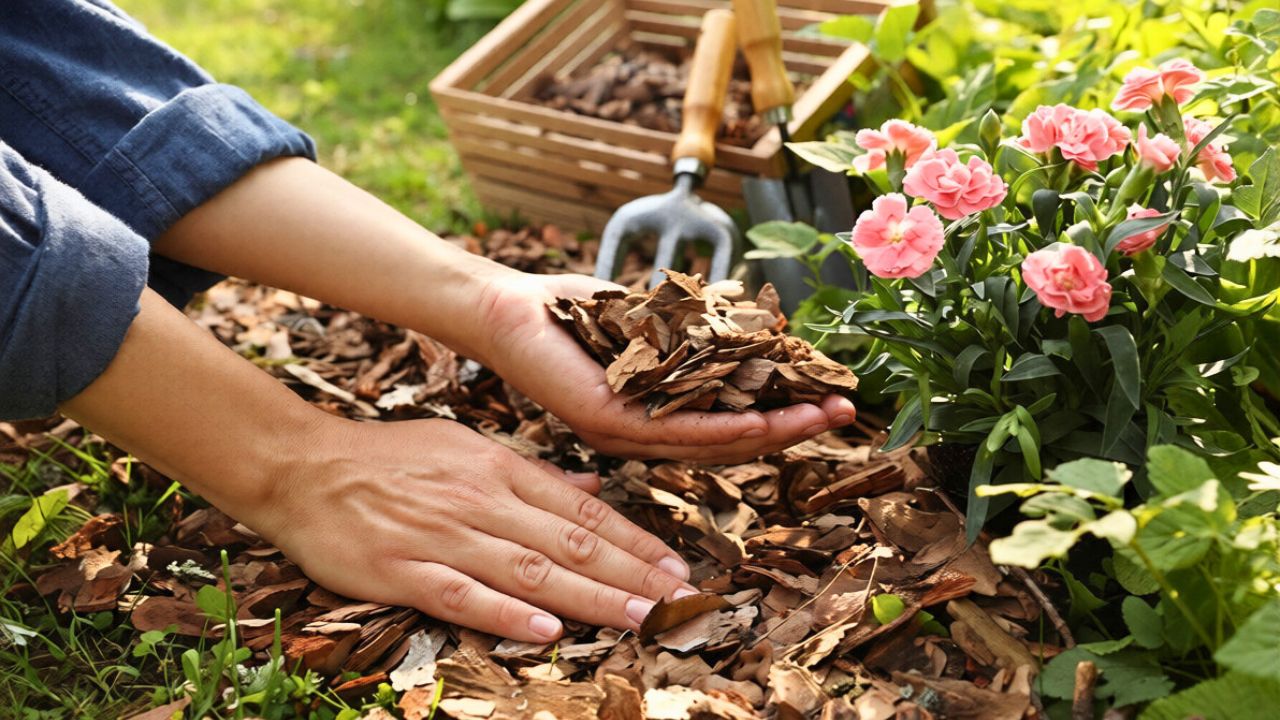
The replacement was a shredded hardwood blend that locked together instead of rolling. Experts often point to heavier, fibrous products as one of the simplest ways to keep mulch in place, with guidance that Use Heavier Mulch in hand with erosion control.
On the most exposed slope, the homeowner went further and chose a dense, natural mulch product similar to the interlocking wood chips sold as natural mulch for high impact areas. The thicker pieces stayed put where lighter material had vanished within a single storm.
Depth changed too. Instead of a fluffy five or six inches that acted like a raft, the beds were reset to a firm two to three inches, which matched professional recommendations for ornamental beds and reduced the amount of material available to float away.
Rethinking fabric, edges, and how the mulch meets the lawn
Under the old mulch, landscape fabric created a slick, impermeable layer. During downpours, water skated across the fabric and took mulch with it. That lined up with guidance that warns fabric on slopes can become a slide and that it is better to Avoid landscape fabric where erosion is a concern.
The homeowner stripped out the fabric in problem zones and relied on a thinner mulch layer plus hand weeding instead. The soil absorbed more water, and the mulch finally had some friction.
At the front of each bed, the original metal edging stood only a couple of inches high, which let even modest flows roll mulch over the top. Community gardeners in one discussion suggested that a higher barrier or a slightly lower soil grade can solve chronic spillover, a point echoed by a veteran contributor who, after 60 years in the business, still leaned on simple grading fixes.
Following that logic, the homeowner raised the front edging by about an inch and shaved the soil behind it so the top of the mulch sat slightly below the metal lip. That small change stopped routine sheet flow from carrying mulch into the lawn.
Adding small structures that slow water and hold mulch
With grading, materials, and edges upgraded, the final step was to build in subtle structures that break up fast water. On one long run, staggered planting pockets with dense perennials interrupted the current and pinned mulch in place between root masses.
In the heaviest-hit corner, a short dry creek of river rock now catches overflow and gives it a defined path. That kind of feature aligns with guidance to Improve drainage with intentional installations that collect and redirect water instead of letting it carve its own route through beds.
Like Fix It Homestead’s content? Be sure to follow us.
Here’s more from us:
- I made Joanna Gaines’s Friendsgiving casserole and here is what I would keep
- Pump Shotguns That Jam the Moment You Actually Need Them
- The First 5 Things Guests Notice About Your Living Room at Christmas
- What Caliber Works Best for Groundhogs, Armadillos, and Other Digging Pests?
- Rifles worth keeping by the back door on any rural property
*This article was developed with AI-powered tools and has been carefully reviewed by our editors.