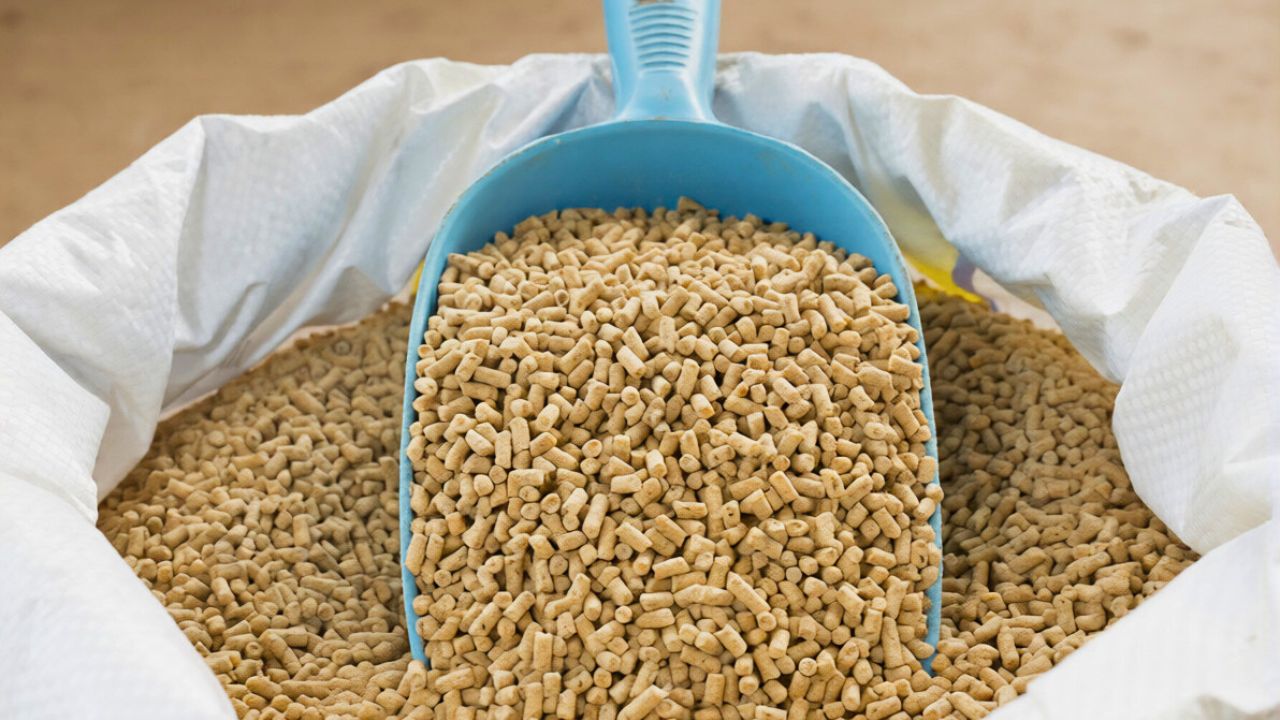
What I changed after feed kept getting damp in the shed
Photo credit: Vaakim/Shutterstock.com
When livestock feed keeps turning damp in a shed, the problem is rarely just one leaky bag. It is usually a mix of moisture creeping into the building, poor airflow around the walls and floor, and storage containers that were never built to keep humidity out. Once pellets or crumbles get wet, mold and mycotoxins can follow, along with wasted money and health risks for animals.
Producers who have faced this pattern and broken it tend to make the same core changes. They move feed to a drier corner, get it off the ground, seal it inside rigid bins, and treat the shed itself like a structure that needs ventilation and weatherproofing, not just a place to park a mower.
Rethinking where the feed actually sits
The first shift is choosing a better storage location inside the shed, not just the most convenient spot by the door. Guidance on feed storage stresses that the storage area should be dry, shaded and protected from temperature swings, with stable conditions in the immediate surroundings rather than along a damp wall or under a sweating roof panel, so the air around the bags stays relatively cool and consistent.
That often means pulling bags away from exterior walls that collect condensation and away from doors where rain and humid air blow in. Instead, feed is moved to an interior corner that stays shaded, with space around the stacks so air can circulate and the floor can dry after wet weather.
Owners who used to stack sacks directly on concrete often add pallets or a raised platform. Keeping feed up off the ground is a standard winter storage recommendation because concrete and bare soil both wick moisture upward, especially in cold months, and that dampness transfers into paper or woven plastic bags even when there are no visible leaks.
Switching from bags to sealed bins
The second big change is to stop trusting factory bags as long term protection. Paper and woven polypropylene breathe, which is helpful during shipping, but inside a damp shed they allow humid air to move in and out and give rodents easy access. Many feed mills now urge owners to transfer feed into airtight containers as soon as it arrives, using a sealed bin for added protection against moisture and pests.
On small homesteads, that often means plastic drums with tight lids. Products such as a locking feed and seed storage drum are designed to protect feed and seeds from mold, mildew and varmints, and they typically advertise that the container locks securely so lids cannot be nudged open by raccoons or rats.
For larger operations, rigid bins with stands become more attractive. One common design is a feed bin that conveniently stores 270 lbs of feed products while eliminating feed contamination and rodent infestation, and that same unit is described as also excellent for storing seed or other bulk materials. A typical example is a bin on a metal frame that keeps the base off the floor and uses gravity chutes instead of open lids, which limits the amount of humid air that can reach the feed each time someone fills a bucket, and a version of this style is available as a 270 lbs bin.
Video guides aimed at backyard flocks reinforce the same point. One widely shared clip from Aug warns that if owners stock up too much feed, it can go bad within a few months, and it urges people to buy only what their birds will use quickly and to keep those smaller quantities in sealed containers rather than open bags.
Another short video from Feb focuses on rat proof chicken feed storage and shows that even a sturdy plastic tub can fail if the lid does not clamp down. The creators describe trying several types of containers before settling on a design that rodents cannot chew through and that keeps bats and other wildlife from getting into a shed at night.
In practice, the change often looks simple. Instead of a row of stacked bags, there is a line of labeled drums with locking lids, each holding a different ration. The feed is poured in as soon as it arrives, which reduces the time it spends in vulnerable packaging and lets the owner inspect each batch for clumps or off smells before it disappears into storage.
Drying out the shed itself
Even the best container struggles if it sits in a building that behaves like a greenhouse or a sponge. That is why many smallholders who were fighting damp feed also changed how they manage the shed environment, starting with ventilation.
Moisture control guides for outbuildings recommend ensuring proper ventilation because ventilation is essential for moving humid air out and bringing drier air in. Suggestions include adding vents high and low, using a small window fan on a timer, and avoiding the temptation to seal every crack so tightly that air cannot move at all.
Practical advice from shed specialists goes further and tells owners to keep the interior clutter free. Stacking items directly against walls blocks airflow and creates pockets where condensation collects, which then drips onto stored items or seeps into stacked feed. Clearing a few inches between bins and the wall, and between stacks of lumber or tools, can reduce those cold, damp zones that never seem to dry.
Weatherproofing is the next layer. Guidance on keeping a shed dry highlights the need to check for gaps around doors and windows, seal joints where water can blow in, and repair damaged roofing before it allows slow leaks that never fully dry. One resource on how to keep moisture out of a shed describes building right with best practices for a new, dry shed and emphasizes that a smart setup, including sloped roofs and raised floors, makes a big difference in how much moisture accumulates inside.
Homestead focused advice on how to keep things dry in a shed also recommends simple moisture absorbers. As the Homestead Supplier team puts it, moisture absorbers are a fantastic, low effort way to pull humidity out of the air in small spaces, and they suggest scattering tubs of desiccant or calcium chloride on shelves near vulnerable items. Their broader guide on how to keep things dry in a shed, which explains why sheds sweat and how to manage airflow, is available through a detailed shed guide.
Another set of recommendations from Jul, written from the perspective of the Homestead Supplier team, repeats the same theme. Under the heading How to Keep Things Dry in a Shed, the authors explain that as the Homestead Supplier, they see many sheds that trap moisture because owners close them up tightly without vents, and they urge people to think of the building as a breathable shell rather than a sealed box.
Other shed maintenance resources echo this. One guide on how to keep moisture out of a garden storage shed lists several proven methods to keep a storage shed dry and in top condition, including ensuring proper ventilation, using vapor barriers under floors, and installing gutters so rainwater does not pool around the base. Another article on keeping a shed dry links weatherproofing with organization and reminds readers that once items are sorted, it becomes easier to see what needs to be weatherproofed and how.
Shortening the storage window
Feed safety specialists also point out that time is part of the moisture problem. Even in a well ventilated, dry shed, long storage periods increase the risk of mold, mycotoxins and nutrient loss, especially in hot or humid seasons.
Guidance on safe feed storage advises people to store feed in a cool, dry, well ventilated area and to keep bags or bins away from direct sunlight and from surfaces that experience big temperature shifts, because rapid temperature changes can cause condensation inside containers. That condensation creates tiny wet spots on pellets or grains, which then become starting points for mold growth.
Putting the changes together
Like Fix It Homestead’s content? Be sure to follow us.
Here’s more from us:
- I made Joanna Gaines’s Friendsgiving casserole and here is what I would keep
- Pump Shotguns That Jam the Moment You Actually Need Them
- The First 5 Things Guests Notice About Your Living Room at Christmas
- What Caliber Works Best for Groundhogs, Armadillos, and Other Digging Pests?
- Rifles worth keeping by the back door on any rural property
*This article was developed with AI-powered tools and has been carefully reviewed by our editors.